Best Greenhouses in California
Your complete guide to finding greenhouses, nurseries, and greenhouse builders across the Golden State.
California is, without question, one of the most exciting states in the country for greenhouse growing. Whether you're a backyard hobbyist in San Diego looking to extend your tomato season, a small-scale farmer in the Central Valley trying to protect crops from unpredictable heat spikes, or a Bay Area plant enthusiast dealing with coastal fog and inconsistent sunlight — a greenhouse can completely transform what you're able to grow, and how reliably you can grow it.
The Golden State offers something that few other places in the United States can match: an extraordinarily diverse range of microclimates packed into a single state. In a matter of a few hundred miles, you can travel from Mediterranean coastal zones to high desert terrain, from foggy redwood country to sun-baked agricultural valleys. This diversity is both a gift and a challenge for growers.
California is divided into several major growing regions, each with its own climate personality:
- • Northern California – Cooler temperatures, high rainfall in winter, coastal fog, and occasional frost in inland areas
- • The Central Valley – Hot, dry summers and mild winters; one of the most productive agricultural regions on Earth
- • Southern California – Warm, sunny, and semi-arid; a near-ideal climate for year-round growing with the right water management
- • The Bay Area – Famously mild but foggy; coastal influence creates unique challenges for light-hungry plants
How to Find a Greenhouse in California
Finding a quality greenhouse supplier, kit seller, or local nursery in California is easier than ever — but knowing where to look and what to ask can save you significant time and money.
Search Locally First
Start with a Google search for "greenhouses near me" or "greenhouse suppliers in [your city]" to surface local dealers. Many of the best greenhouse builders operate regionally.
Visit Local Nurseries
Many California nurseries sell greenhouse kits directly or can point you toward trusted local suppliers who understand your specific microclimate.
Check County Extension
UC Cooperative Extension offices throughout California offer free or low-cost guidance on local growing conditions and permit requirements.
Join Gardening Groups
California has a large, active gardening community. Facebook groups, local garden clubs, and Nextdoor can connect you with neighbors who've already navigated the process.
Popular Cities for Greenhouses in California
California's diverse climate zones make greenhouse growing viable across the entire state. Below are the most greenhouse-active cities with their top-rated greenhouses.
16 listings
15 listings
15 listings
14 listings
14 listings
13 listings
Los Angeles Area
Los Angeles and its surrounding communities enjoy one of the most favorable climates on the planet for year-round growing. With an average of over 280 sunny days per year, warm temperatures that rarely dip below freezing, and relatively low humidity, the LA area is practically tailor-made for greenhouse gardening.
Climate Notes for LA Growers
The primary challenges are heat management during summer months (temperatures can spike well above 100°F in inland valleys), water restrictions, and wildfire smoke compromising air quality. Shade cloth and good ventilation systems are essential rather than optional.
What Grows Well
Tomatoes, peppers, citrus, tropical plants, herbs, succulents, and exotic flowers thrive in LA greenhouses. Many growers use greenhouses not to extend the season but to protect plants from pests and manage water more efficiently.
San Francisco Bay Area
The Bay Area presents a fascinating and sometimes frustrating growing environment. The famous "marine layer" — persistent coastal fog — is the defining climate feature. While temperatures are remarkably mild year-round, the lack of direct sunlight during summer mornings can make growing warm-season crops genuinely difficult outdoors.
Climate Notes for Bay Area Growers
Greenhouses here serve to capture and retain heat, increase light availability, and protect plants from damp conditions that encourage fungal disease. East Bay communities have a warmer, sunnier climate than coastal cities.
What Grows Well
Tomatoes, basil, peppers, and other heat-lovers thrive in Bay Area greenhouses precisely because they struggle outdoors. Orchids, tropical plants, and year-round salad greens are also popular choices.
San Diego
San Diego is arguably the single most pleasant climate in California for gardening. The combination of mild temperatures, reliable sunshine, low frost risk, and Mediterranean conditions makes San Diego a greenhouse gardener's dream.
Climate Notes
Inland communities like El Cajon and Escondido experience more extreme temperature swings and higher fire risk than coastal neighborhoods. Greenhouses are often used for water conservation as much as climate control.
What Grows Well
Tropical fruit trees (avocado, mango, cherimoya), exotic orchids, succulents, peppers, and year-round vegetables all excel in San Diego greenhouses.
Sacramento
Sacramento sits at the heart of California's Central Valley and experiences a classic Mediterranean climate with hot, dry summers and mild, wet winters. Temperatures regularly exceed 105°F in July and August, making summer heat management the number one challenge.
Climate Notes
Sacramento growers need greenhouses that handle intense summer heat while providing frost protection in winter. Good shading, powerful ventilation, and evaporative cooling systems are essential.
What Grows Well
Winter vegetables, citrus, stone fruits, tomatoes, and peppers flourish with greenhouses that extend both ends of the growing season.
Central Valley (Fresno, Bakersfield, and Beyond)
The Central Valley is the agricultural engine of California — one of the most productive farming regions in the world. Commercial greenhouses here tend to be large-scale, but hobby and small-farm greenhouses are increasingly popular.
Climate Notes
Summers are brutally hot (regularly above 105°F), and winters bring frost and occasional freezes. Air quality can be a concern due to agricultural activity and wildfire smoke. Robust ventilation and shade systems are non-negotiable.
What Grows Well
The rich soils and long growing season support virtually everything. Greenhouse use focuses on season extension, seedling propagation, and protecting high-value crops from weather extremes.
Types of Greenhouses Popular in California
Choosing the right type of greenhouse for your California location involves matching the structure's materials and design to your specific regional climate.
Best for Hot, Dry Areas (Southern CA & Central Valley)
Shade Houses
Open-sided structures covered with shade cloth. They reduce solar radiation while protecting plants from pests and wind. Customizable with different shade percentages (30%, 50%, 70%).
Evaporative Cooling Greenhouses
Traditional enclosed greenhouses with "swamp cooling." California's dry summer air makes this highly effective — dropping temperatures 15–20°F with low energy use.
Hoop Houses (High Tunnels)
Low-cost structures covered with UV-stabilized polyethylene film. Popular with small farms and homesteaders for protecting crops from heat, pests, and frost.
Best for Foggy, Coastal Areas (Bay Area & Northern Coast)
Glass Greenhouses
Superior clarity and light transmission (90%+), helping plants get every available photon on overcast days. More expensive and vulnerable to wind and seismic activity.
Twin-Wall Polycarbonate
Transmits 80–85% of light while providing better insulation than glass and superior resistance to wind. One of the most popular choices for coastal California hobby growers.
Victorian / Lean-To Styles
Space-efficient designs attached to south-facing walls. Popular in cities like Berkeley, Oakland, and San Jose where lots are small but gardening enthusiasm is high.
Materials for Wildfire Zones
| Material | Fire Resistance | Wind Resistance | Light Transmission | Cost |
|---|---|---|---|---|
| Tempered Glass | High | Moderate | Excellent (90%+) | $$$$ |
| Polycarbonate | Moderate | High | Good (80-85%) | $$ |
| Polyethylene Film | Low | Moderate | Good (85%) | $ |
| Aluminum Frame | High | High | N/A | $$$ |
Key Recommendation: In wildfire-prone areas, opt for aluminum or galvanized steel frames with tempered glass or multi-wall polycarbonate glazing. Avoid wood frames and single-layer poly film in high-risk zones.
Buying Guide for California
Average Costs
California's cost of living affects greenhouse prices. Here's what you can realistically expect to spend:
| Greenhouse Type | Size | Estimated Cost in CA |
|---|---|---|
| Small Hobby Kit (polycarbonate) | 6×8 ft | $500–$1,500 |
| Mid-Size Hobby Greenhouse | 8×12 ft | $1,500–$4,000 |
| Large Backyard Greenhouse | 12×20 ft | $4,000–$12,000 |
| Custom Built / Commercial | Varies | $15,000–$100,000+ |
| Hoop House (DIY) | 14×48 ft | $1,000–$3,500 |
Labor costs for professional installation in California are typically 20–40% higher than the national average.
Permits & Regulations
California gets more complicated than most states for permits. Do not skip the permit research step.
When You Likely Need a Permit:
- • Any permanent structure over 120 square feet (in most jurisdictions)
- • Structures with concrete foundations
- • Structures with electrical or plumbing connections
- • Properties in HOA communities (separate approval usually required)
- • Properties in designated Wildland Urban Interface (WUI) zones
California-Specific Regulations:
- • Water use regulations: Many water districts have restrictions; drip irrigation and recapture systems may be required
- • Title 24 Energy Code: May apply if greenhouse is attached to home or has conditioned space
- • CAL FIRE WUI Building Codes: Additional construction standards for fire hazard severity zones
DIY vs. Hiring a Builder
DIY Greenhouse Kits
Companies like Palram, Rion, and Juliana ship to California. An experienced DIYer can assemble most kits in a weekend. Complex sites (slopes, unusual soil) can make DIY significantly more challenging.
Hiring a Professional
For larger projects requiring permits, foundations, or electrical work, hire a licensed California contractor. Verify licensing through the Contractors State License Board (CSLB).
Top Rated Greenhouses in California
These are the highest-rated greenhouses in California based on verified customer reviews. Each listing includes real photos, service offerings, and direct links to detailed profiles.
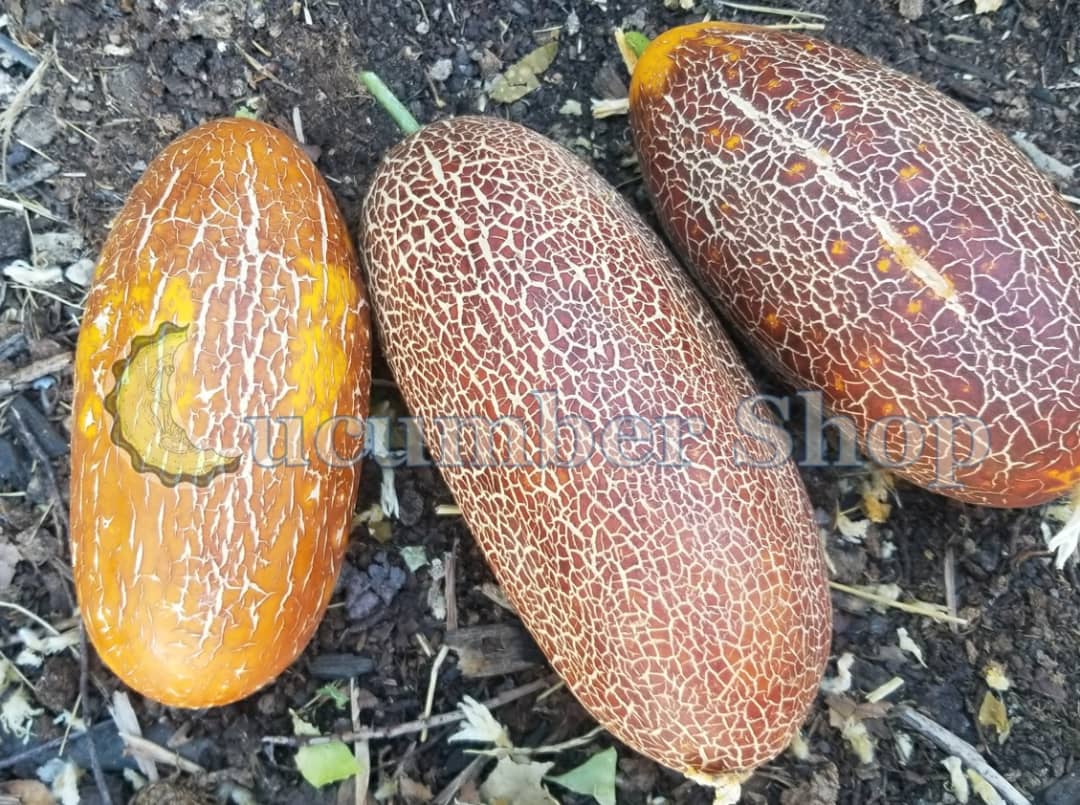
1. Cucumber Shop
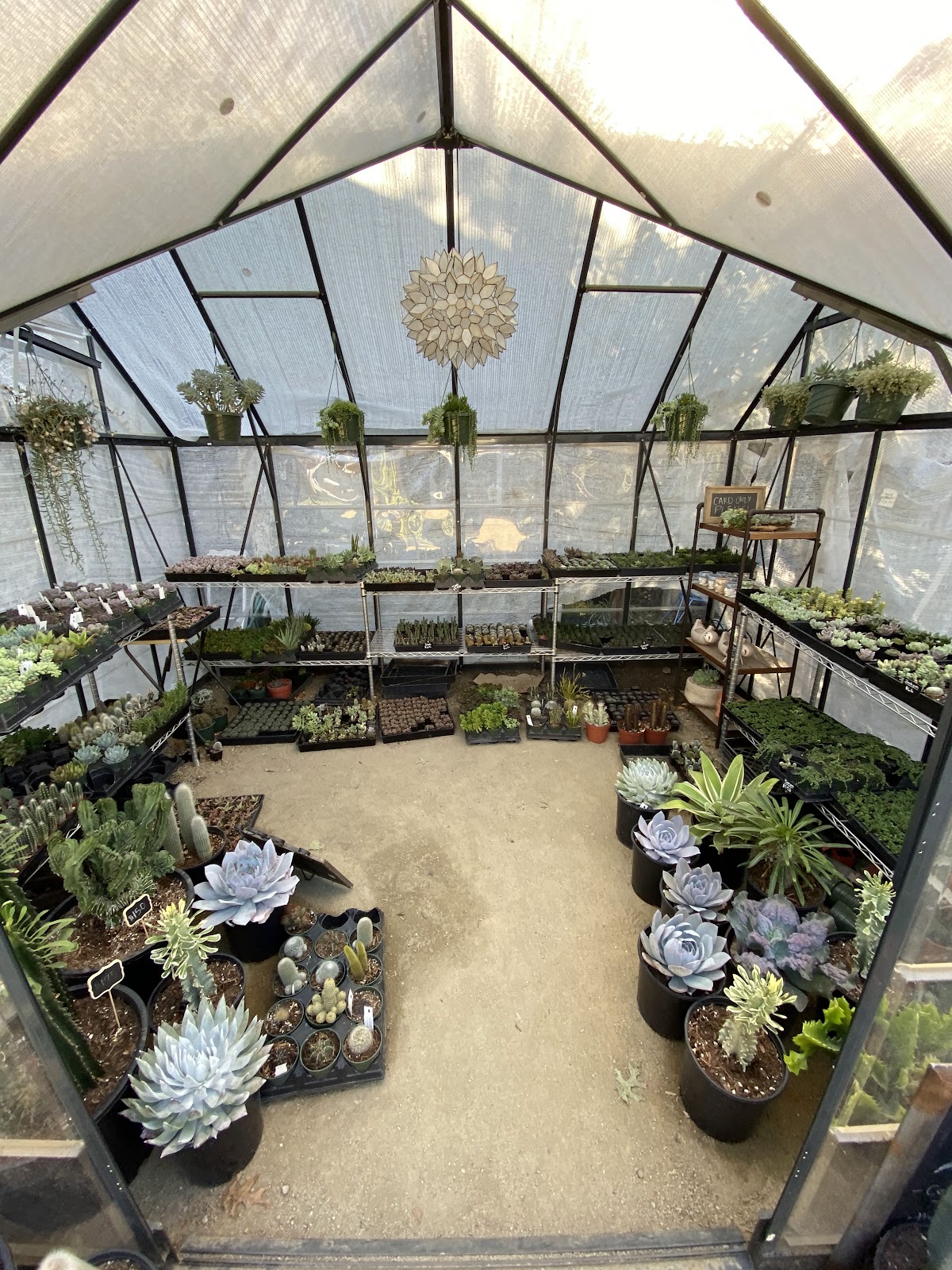
2. The Prickly Pear
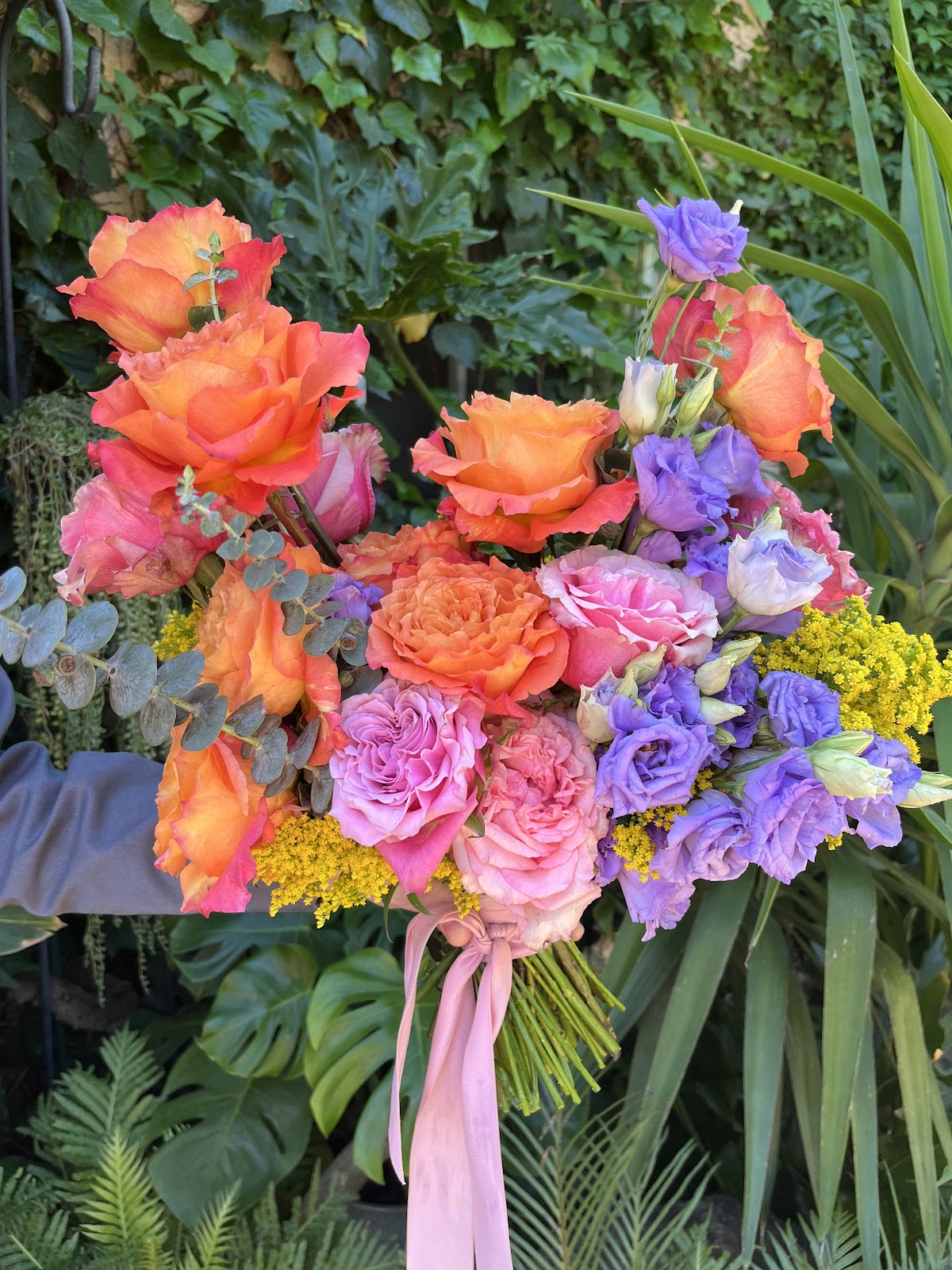
3. Keep On Blooming Boutique
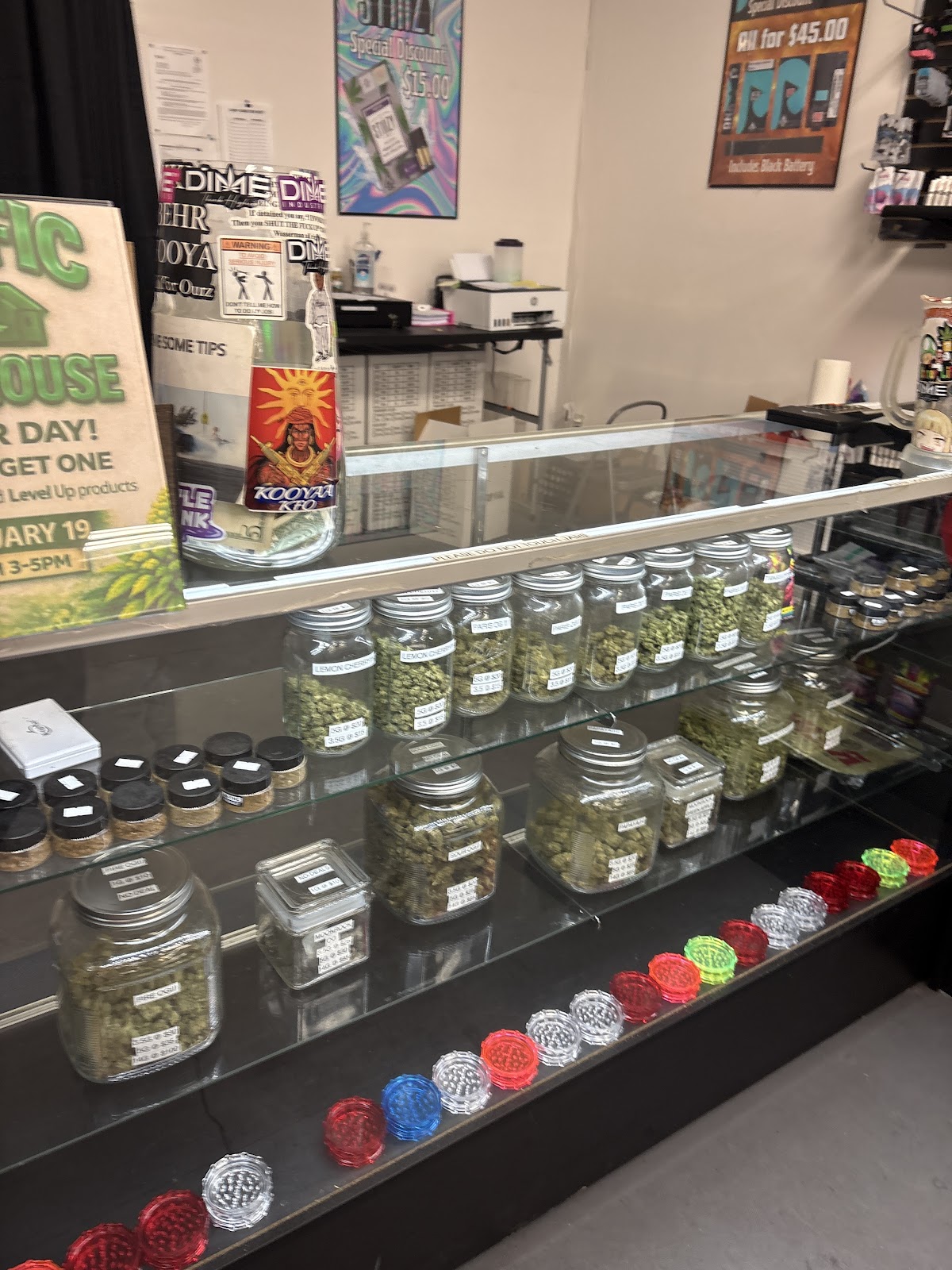
4. Pacific Green House
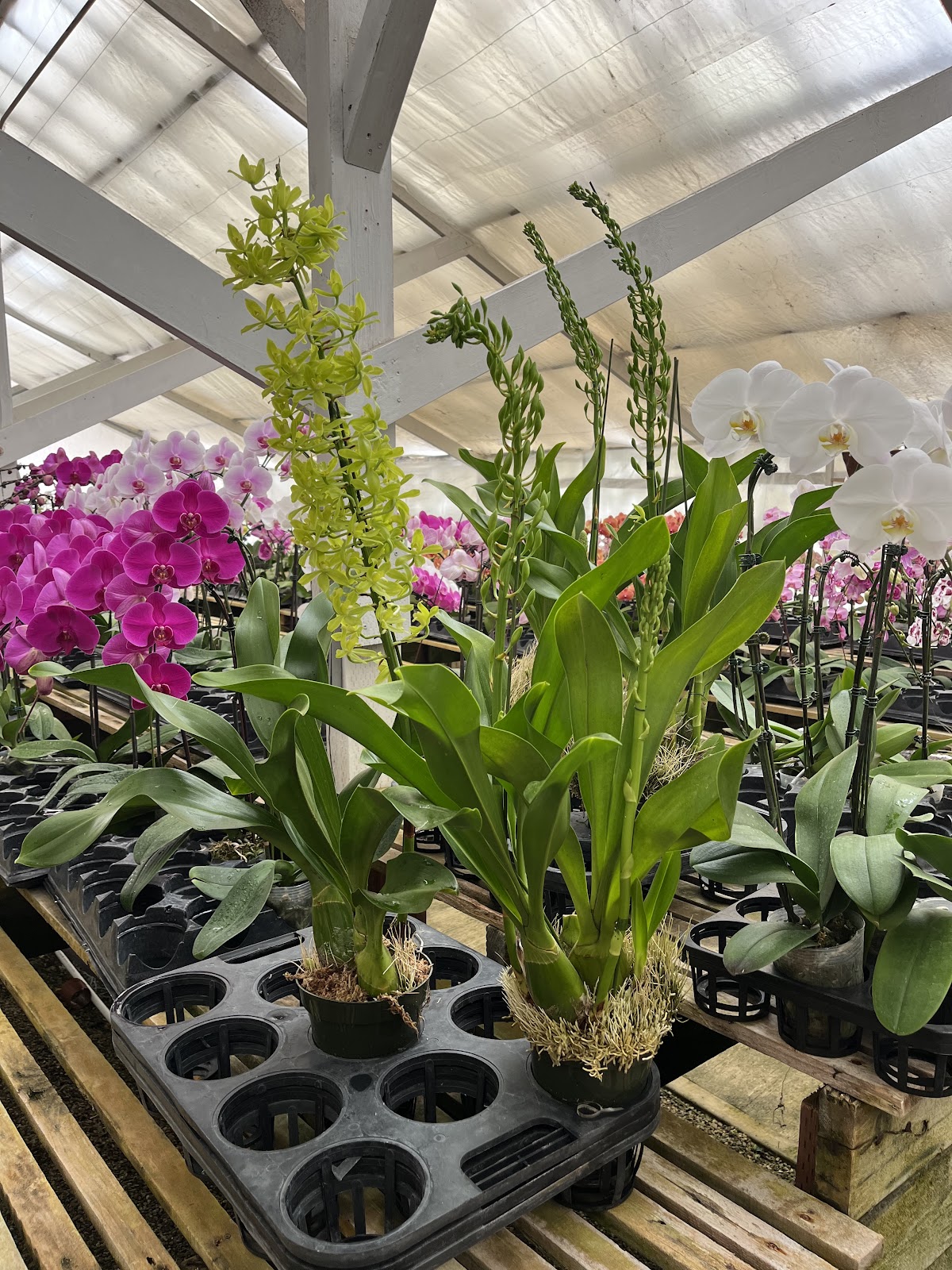
5. Zuma Orchids
Frequently Asked Questions
Do I need a permit to build a greenhouse in California?
It depends on your location and size. Most counties require permits for permanent structures over 120 square feet. Smaller temporary structures may be exempt, but rules vary significantly. Properties in HOA communities and Wildland Urban Interface zones face additional requirements.
How do I protect my greenhouse from wildfires?
Choose non-combustible materials: aluminum or galvanized steel frames, tempered glass or multi-wall polycarbonate glazing, and concrete or gravel flooring. Create defensible space around your greenhouse and install ember-resistant venting screens (1/8-inch mesh or smaller).
How can I manage water use under drought restrictions?
Key strategies include drip irrigation systems, sub-irrigation trays, rainwater capture where allowed, recirculating hydroponic systems, and scheduling irrigation during cooler parts of the day. Many water districts offer rebates for water-efficient irrigation upgrades.
What is the best greenhouse material for the Bay Area's foggy climate?
Glass provides the best light transmission, but twin-wall polycarbonate is often more practical: it transmits 80–85% of light, insulates better than glass, and withstands wind and minor impacts much better. Many growers supplement with grow lights during the foggiest months.
Can I grow year-round in a California greenhouse?
In most parts of California, yes. Southern California and the Bay Area maintain mild enough temperatures that heating costs are minimal even in winter. Central Valley growers typically need supplemental heat in winter and shade/cooling in summer.
What size greenhouse should I start with?
For most hobby growers, an 8×12 or 8×16 foot greenhouse is a great starting point. It's large enough to be genuinely useful without being overwhelming to heat, cool, and maintain. When in doubt, go one size up.
Are there California-specific greenhouse builders?
While many growers purchase kits from national suppliers, there's a growing network of California-based builders who specialize in local conditions. Search for licensed contractors through the CSLB website and ask for referrals at local nurseries.