Best Greenhouses in Pennsylvania
From Philadelphia to Pittsburgh, discover top greenhouses, custom builders, and nurseries across the Keystone State.
Pennsylvania is one of the most agriculturally rich states in the country. From the rolling farmlands of Lancaster County to the urban rooftops of Philadelphia, the Keystone State has a long, proud tradition of growing food and cultivating plants. But if you've ever tried to garden outdoors in Pennsylvania, you already know the challenge: the seasons are beautiful, but they are also unpredictable, short, and sometimes brutally cold.
That's exactly why greenhouses have become increasingly popular across Pennsylvania. Whether you're a backyard hobbyist who wants to grow tomatoes well into November, a small farm operation looking to extend your revenue season, or a homeowner who simply wants fresh herbs year-round, a greenhouse gives you control over your growing environment.
The Pennsylvania Advantage
The state benefits from a well-established agricultural infrastructure. Pennsylvania ranks consistently among the top states for agricultural output, particularly in mushrooms, dairy, poultry, and fresh vegetables. That heritage means you have access to knowledgeable suppliers, experienced builders, and a community of growers who understand the local climate.
Challenges to Consider
- • Heavy snow loads: Can damage undersized or poorly engineered structures
- • Heating costs: January and February heating can be significant without proper insulation
- • Late frosts: Common even into April in northern and mountainous regions
- • Variable climate: Zone 5b in Erie/Poconos vs Zone 7a in Philadelphia
Best Regions and Cities for Greenhouses
Pennsylvania is geographically diverse, and your location significantly influences the type of greenhouse that makes the most sense. Below are the most greenhouse-active cities with their top-rated greenhouses.
19 listings
19 listings
17 listings
17 listings
10 listings
9 listings
4 listings
Philadelphia & Southeast PA
Mildest climate in the state | Longer growing season | Lower heating costs
The Philadelphia metro and surrounding counties (Chester, Delaware, Montgomery, Bucks) enjoy the mildest climate in the state. Temperatures are moderated by proximity to the Atlantic coast, and the growing season is noticeably longer than central or northern PA.
Regional Characteristics
- • Lean-to greenhouses widely used due to land at premium
- • Strong market for ornamental greenhouses and year-round flower production
- • Lower heating costs and less extreme snow accumulation
- • Complex local zoning due to high concentration of townships with individual rules
Pittsburgh & Western PA
More cloud cover | Significant winter precipitation | Midwest-like weather patterns
Pittsburgh and Allegheny County see more cloud cover and temperatures that can drop sharply. The Allegheny Mountains create weather patterns that make this region feel more like the Midwest than the Mid-Atlantic.
Key Priorities
Snow-load capacity and insulation are top priorities. Polycarbonate twin-wall or triple-wall panels are the standard choice because they provide excellent insulation while standing up to accumulated snow and ice. Energy costs during winter are a genuine concern. Passionate community of backyard growers and urban farmers.
Harrisburg & Central PA
Heart of PA agriculture | Lancaster County farmland | Penn State Extension resources
Central PA, including York, Lancaster, Cumberland, and Dauphin counties, is home to some of the most productive farmland in the eastern United States. Lancaster County is world-famous for its Amish farming communities and thriving local food culture.
Growing Community
Climatically middle ground — cold and snowy but not extreme. Excellent access to experienced suppliers and Penn State Extension resources. Hoop houses and high tunnels enormously popular among small farms and market gardeners who use them to extend selling season at farmers markets.
Allentown & Lehigh Valley
Between Philadelphia and Poconos | Growing local food interest
The Lehigh Valley (Allentown, Bethlehem, Easton) has seen significant growth in both population and local food interest. Climate is more variable than Southeast PA, with colder winters and more snowfall, but still manageable compared to the northern tier.
Regional Benefits
Close to both urban markets and rural growing infrastructure. Growing number of community greenhouses, urban farms, and homesteaders investing in season-extension structures. Builders from both Philadelphia and New York markets often serve this region.
Scranton & Northeast PA
Most challenging climate | Heavy snowfall | Pocono Mountain weather variation
Northeast PA, anchored by Scranton and Wilkes-Barre, presents the most challenging greenhouse climate in the state outside the northern tier plateau. Elevation plays a significant role, and snowfall can be heavy and prolonged.
Structural Requirements
Absolutely must prioritize structural integrity, snow-load ratings, and robust heating systems. Freestanding greenhouses with steep roof pitches that allow snow to shed naturally are highly recommended. Greenhouse growing is gaining momentum, driven by local food production desire and growing homesteading culture.
Recommended Greenhouse Types for Pennsylvania
Choosing the right greenhouse requires careful thought about your climate zone, budget, intended use, and heating willingness.
Snow-Load Rated Greenhouses
The single most important structural consideration. Pennsylvania receives significant snowfall, with northern and mountain areas seeing annual totals well above 60 inches.
- • Most of PA: Minimum 25–35 PSF snow-load rating
- • Poconos, Erie, northern tier: 40+ PSF rating recommended
- • Steep roof pitches: Allow snow to slide off naturally
Insulated & Energy-Efficient Models
Multi-Wall Polycarbonate
Twin-wall and triple-wall panels provide significant insulating advantage over single-pane glass. Investment in better insulation usually pays for itself in reduced heating bills within a few seasons.
Thermal Mass Elements
Water barrels, concrete floors absorb daytime heat and release it at night. Insulated north walls and tight construction minimize air infiltration.
Glazing Comparison
| Type | Cost Range | Durability | Best Use Case |
|---|---|---|---|
| Polycarbonate Freestanding | $3,000–$25,000+ | 15–25 years | Year-round, mixed crops |
| Glass Freestanding | $8,000–$40,000+ | 25–50 years | Ornamental, premium use |
| Lean-To Polycarbonate | $2,500–$15,000 | 15–25 years | Suburban, attached |
| Hybrid Insulated | $10,000–$50,000+ | 25+ years | Cold-climate year-round |
| Hoop House / High Tunnel | $500–$8,000 | 5–15 years | Season extension |
Lean-To Greenhouses
Enormously popular in suburban Pennsylvania. Make efficient use of limited yard space, benefit from thermal mass of adjacent building, and can sometimes share heating connection with main structure. More affordable to build and permit than freestanding. Key: ensure host wall and roof junction are properly sealed, and verify snow sliding off main roof won't damage structure.
Hoop Houses & High Tunnels
Cost-effective for budget-conscious growers, especially small farms and market gardeners. High tunnels are eligible for USDA cost-share funding through NRCS. Work well for extending cool-season crop production into December and restarting in February/March. Not designed for year-round tropical growing.
Top Suppliers, Builders & Nurseries
Southeast Pennsylvania
Rohrer's Nursery
Lititz, PA (Lancaster County)
Well-established family nursery offering greenhouse structures with expert planting advice tailored to Pennsylvania climate.
Conestoga Buildings
Gap, PA
Specializes in agricultural and garden structures including custom greenhouse builds. Experienced with Chester, Lancaster, and surrounding county permits.
ACF Greenhouses
National, ships to SE PA
Strong Mid-Atlantic customer base. Wide range of polycarbonate kits well-suited to Pennsylvania's climate. Designed for straightforward DIY installation.
Western Pennsylvania
Pittsburgh Botanic Garden
Oakdale, PA
Excellent resource for Western PA growers looking for climate-specific advice and connections to local suppliers and builder networks.
Stoltzfus Structures
Guys Mills, PA (Crawford County)
Custom structure builder with experience in greenhouse and garden room construction. Can build to custom snow-load specifications.
Central Pennsylvania
Hartman's Garden Center
Mechanicsburg, PA
Well-regarded central PA nursery carrying hobby greenhouse kits. Deep knowledge of the Harrisburg area growing climate.
Penn State Extension
Statewide
Not a commercial supplier, but one of the most valuable resources for any PA greenhouse grower. Workshops, soil testing, crop planning, farm connections. Every county has an office.
Buying & Installation Guide
Average Costs
- • Small hobby kits (6×8 to 8×12): $800–$4,000 kit; add $500–$2,000 installation
- • Mid-size polycarbonate (12×16 to 16×24): $5,000–$18,000 installed
- • Large residential/small commercial (24×48+): $20,000–$75,000+
- • Custom glass or hybrid: $30,000–$150,000+
- • High tunnels/hoop houses: $500–$8,000
Labor costs are relatively moderate compared to northeast corridor states, but vary between urban markets like Philadelphia and rural areas.
Permitting
- • No unified statewide system — handled at municipal level
- • Most permanent structures over 144–200 sq ft require building permit
- • Agricultural zones typically permit with minimal restriction
- • Residential zones: setback requirements, height limits, lot coverage maximums may apply
- • Electrical permits required for lighting, heating, automated controls
- • Contact township/borough zoning officer early in planning process
Foundation Options
Concrete Perimeter Footings
Dug below frost line (30–42" in most of PA). Most stable and permanent. Recommended for structures larger than small hobby greenhouses.
Helical Piers / Ground Anchors
Faster to install, no significant excavation. Work well in many soil types. Popular with professional installers across the state.
Pressure-Treated Wood
Can work for smaller structures. Requires careful attention to drainage. Evaluate against expected lifespan of greenhouse.
Gravel Beds
Commonly used under hoop houses and high tunnels where fully permanent foundation is not required.
Heating Solutions
- • Propane/natural gas: Most common, reliable, relatively affordable to operate
- • Electric heaters: Work well for small hobby greenhouses, expensive at scale
- • Pellet stoves/wood: Popular among off-grid or cost-conscious growers
- • Passive solar + thermal mass: Can dramatically reduce heating requirements
Expected cost: $400–$1,200 per heating season on propane for mid-size polycarbonate greenhouse in central PA.
Growing Tips for Pennsylvania
Best Crops
Leafy Greens & Herbs
Lettuce, spinach, arugula, kale, cilantro, parsley, basil thrive in PA greenhouses. Can be grown almost year-round with minimal supplemental heat.
Warm-Season Vegetables
Tomatoes, peppers, cucumbers — start indoors Feb/March for outdoor transplant advantage, continue harvesting into October inside.
Microgreens & Sprouts
Increasingly popular — small spaces, quick turnover, premium prices at farmers markets and direct sales.
Cut Flowers
Zinnias, dahlias, specialty cut flowers are significant greenhouse crops, especially where strong demand for locally grown blooms.
Winter Growing Strategies
Cold-Tolerant Crops (Minimal Heat)
Spinach, kale, mâche survive with nighttime temps in high 20s/low 30s. Heating costs drop dramatically when focusing on these crops.
Warm-Season Through Winter
Tomatoes, basil require maintaining 55–60°F at night — increases heating costs significantly. Many experienced PA growers focus winter production on cold-tolerant greens.
Thermal Mass Strategy
Large water barrels painted black, placed in greenhouse to absorb daytime solar energy and release at night. Meaningfully reduces heating requirements.
Humidity & Ventilation
Summer
High humidity creates fungal disease pressure. Roof vents, sidewall vents, exhaust fans essential. Vent area should equal at least 20% of floor area.
Winter
Heating dries out air, stressing plants and increasing spider mite pressure. Simple water features, regular misting, or grouping plants closely help maintain humidity.
Season Extension
Even a minimally equipped greenhouse can add 4–6 weeks to both ends of your growing season. Start seeds late January/early February under grow lights, move transplants to greenhouse in March. At season end, move frost-sensitive plants inside in early October before first light frosts arrive.
Top Rated Greenhouses in Pennsylvania
These are the highest-rated greenhouses in Pennsylvania based on verified customer reviews. Each listing includes real photos, service offerings, and direct links to detailed profiles.
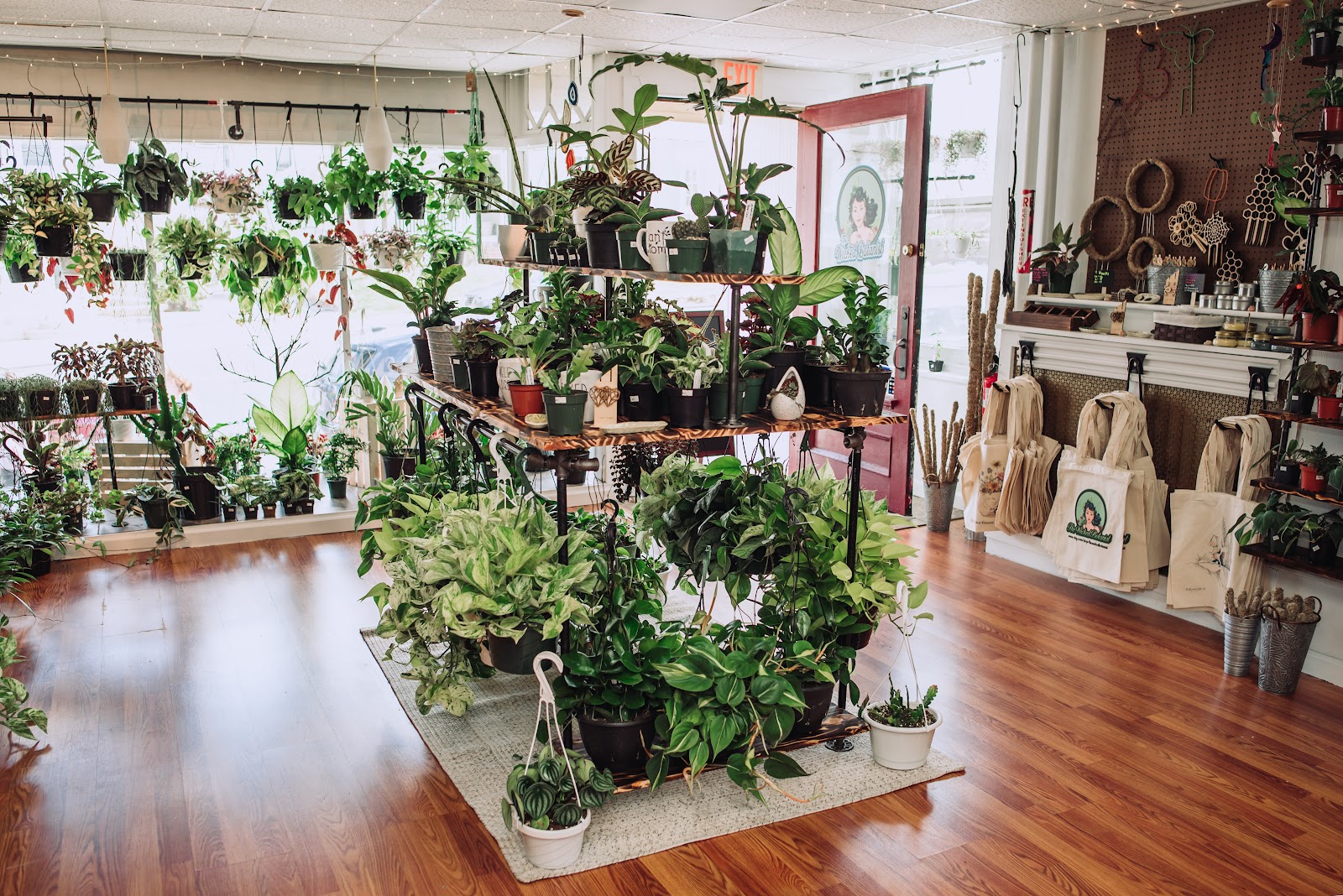
1. The Wicked Botanist
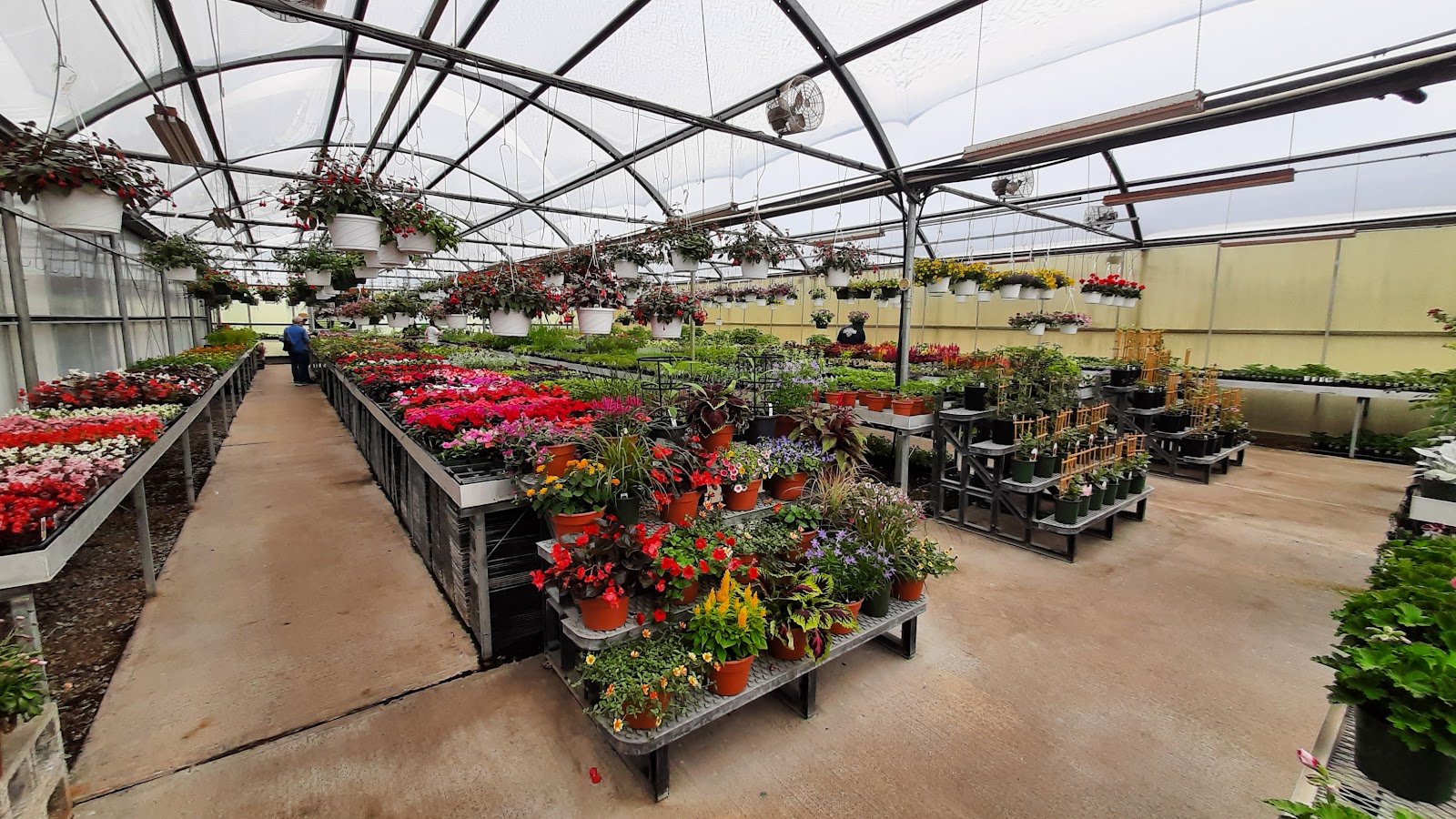
2. Countryside Farm & Greenhouse
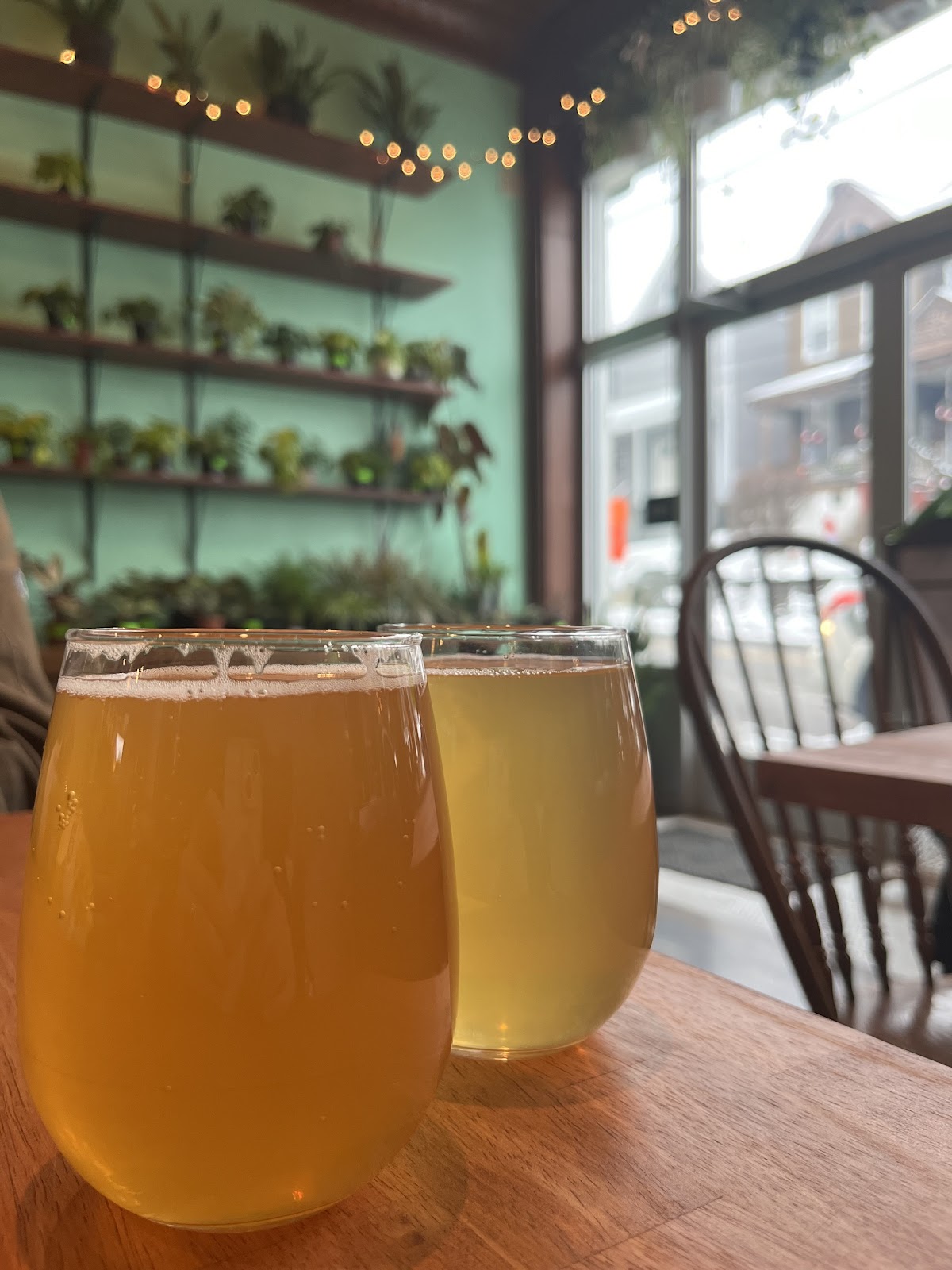
3. Greenhouse Co-op
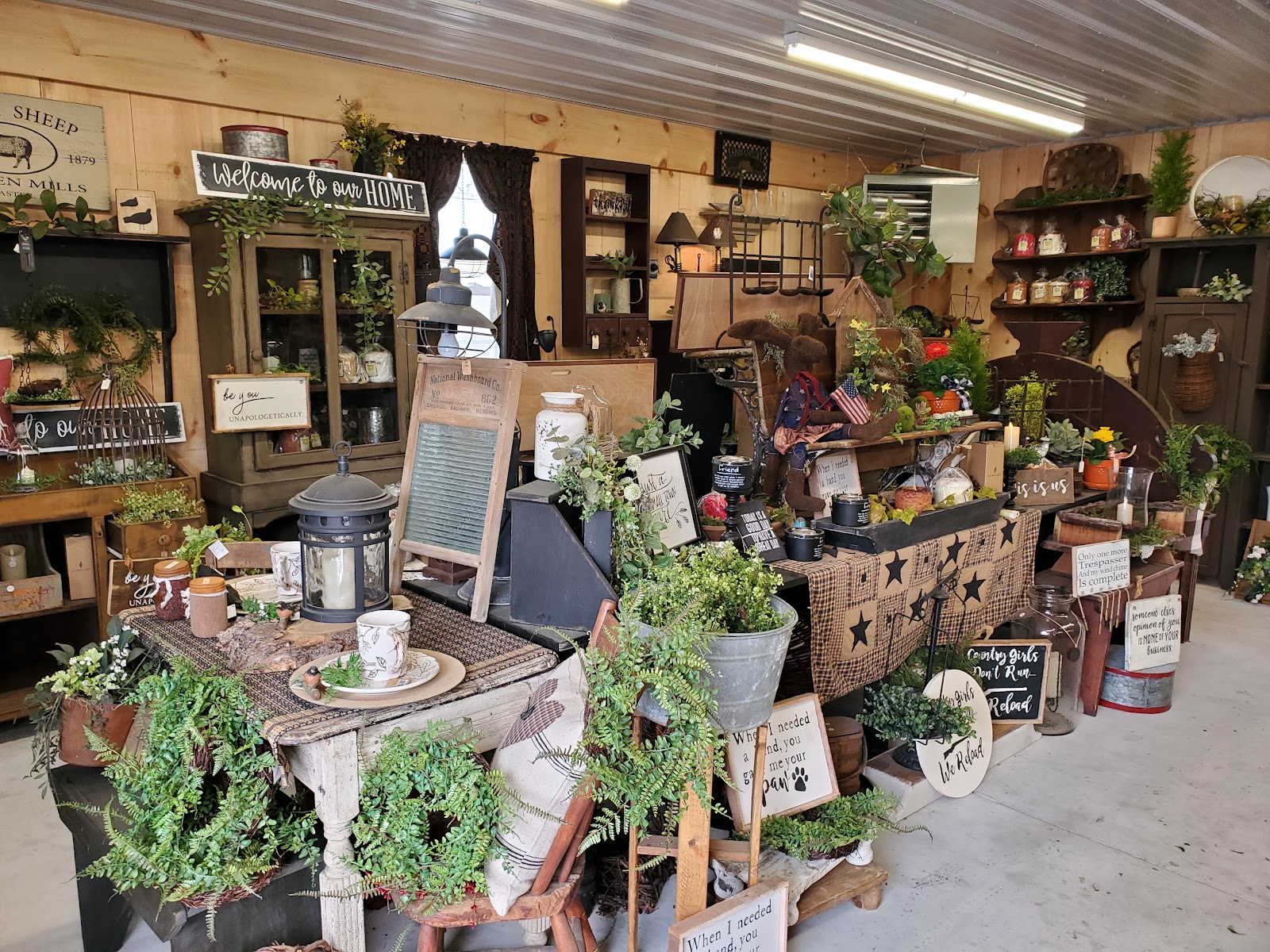
4. Geigertown Greenhouse
5. Golomb Greenhouse
Frequently Asked Questions
What snow-load rating do I need?
For most of PA, minimum 25–35 PSF. In higher snowfall areas (Poconos, northern tier, Erie), look for 40+ PSF. Always ask for specific engineering rating in writing before purchasing.
Do I need a permit?
Depends on your municipality. Most permanent structures over 144–200 sq ft require building permit. Agricultural structures in ag zones often face fewer restrictions. Contact your local township/borough zoning office first.
How much does winter heating cost?
For mid-size polycarbonate with twin-wall panels in central PA, expect $400–$1,200 per heating season on propane. Better insulation, passive solar design, and cold-tolerant crop selection all reduce costs significantly.
When is the best time to install?
Late spring through early fall (April–September most popular). Allows foundation work in non-frozen ground and setup time before winter. Late summer installation is popular for immediate fall production use.
Are high tunnels eligible for USDA funding?
Yes. PA farmers can apply through USDA NRCS Environmental Quality Incentives Program (EQIP). Contact your local NRCS service center for current availability and deadlines.
Can I attach a greenhouse to my house?
Yes — lean-to greenhouses are popular across PA, especially in suburban/urban settings. You'll typically need a building permit. A properly designed lean-to can benefit from your home's thermal mass and potentially connect to existing heating.
What crops grow best in winter?
Cold-tolerant crops: spinach, kale, mâche, arugula, winter lettuce, parsley, chives, microgreens. Warm-season crops (tomatoes, peppers) can be grown but require 55–60°F nighttime temps, increasing heating costs substantially.