Best Greenhouses in New York
Extend your growing season through harsh winters and heavy snowfall.
New York is a state of extremes. In New York City, urban gardeners are fighting for space on rooftops and in tiny backyards. In Buffalo, gardeners are dealing with some of the heaviest snowfall in the continental United States. In the Hudson Valley, hobby farmers are stretching their growing season into the winter months.
What unites all of these growers is a shared challenge: New York's climate is not naturally friendly to growing. The state experiences USDA Hardiness Zones ranging from Zone 3b in the Adirondacks to Zone 7b in New York City's urban core.
New York's Growing Challenges
- • Short growing season: Most of Upstate NY gets only 120–160 frost-free days per year
- • Heavy snow loads: Buffalo, Rochester, and Syracuse regularly see 90–120+ inches of snow annually
- • Bitterly cold winters: Temperatures regularly drop below 0°F in Upstate New York
- • High wind exposure: Coastal Long Island and elevated regions face significant wind pressure
- • Humid summers: New York summers bring heat and humidity that require ventilation planning
Despite these challenges, New York has seen a dramatic rise in greenhouse adoption over the past decade. Advances in affordable polycarbonate greenhouse kits have made it easier than ever for everyday homeowners to set up a functional structure without spending tens of thousands of dollars.
Best Cities & Regions for Greenhouses in New York
New York State spans 54,000 square miles from dense urban neighborhoods to remote Adirondack wilderness. Below are the most greenhouse-active cities with their top-rated greenhouses.
20 listings
18 listings
14 listings
5 listings
New York City Metro Area
Climate Zone: 7a–7b | Snowfall: 25–30 inches | Growing Season: 200+ days
The NYC metro has the mildest winters and longest growing season in the state. A heated greenhouse in Brooklyn can realistically produce food 365 days a year. The challenge is space — many installations happen on rooftops requiring structural engineering assessments.
Pros
- • Mildest winters in New York State
- • Longest growing season (200+ days)
- • Growing urban farming community
- • Access to excellent NJ and Westchester suppliers
Cons
- • Extreme space limitations
- • Complex permitting environment
- • Rooftop installations need engineering approval
- • Higher installation costs due to labor market
Best greenhouse types: Lean-to models, compact 6×8 or 8×10 freestanding kits, rooftop custom structures
Hudson Valley
Climate Zone: 5b–6b | Snowfall: 40–70 inches | Strong agricultural tradition
The Hudson Valley has experienced a genuine agricultural renaissance. From small-scale hobby farms in Dutchess County to commercial operations in Ulster County, greenhouse growing fits naturally into the culture.
Regional Considerations
Climate is noticeably harsher than NYC but far more manageable than Upstate. Higher elevations in the Catskill foothills see significantly more snow. Rich agricultural culture with strong local supplier network and more space at lower cost.
Best greenhouse types: Insulated polycarbonate structures, gothic arch hoop houses, mid-size lean-to models
Long Island
Climate Zone: 6b–7a | Snowfall: 20–35 inches | Mild maritime climate
Long Island has a long, proud history of commercial greenhouse growing. The relatively mild maritime climate — moderated by the surrounding ocean — makes it one of the easier parts of New York for year-round growing.
Key Considerations
Wind is a significant factor, particularly on the South Shore and eastern Suffolk County. Any greenhouse within a mile or two of the coast should be rated for high wind loads and use corrosion-resistant aluminum or galvanized steel framing. HOA restrictions are common.
Best greenhouse types: Wind-rated polycarbonate models, lean-to greenhouses, ornamental glass structures
Upstate New York
Climate Zone: 4a–6a | Snowfall: Buffalo 95" | Rochester 100" | Syracuse 123" | Albany 60"
Upstate New York is one of the most challenging places in the continental US to operate a greenhouse. The Great Lakes snowbelt cities regularly receive some of the highest snowfall totals of any major American cities. And yet, greenhouse growing is thriving — the payoff is enormous. A year-round greenhouse in Syracuse lets you grow fresh tomatoes in February.
Structural Requirements
Standard hobby greenhouse kits are not adequate. You need structures rated for at minimum 40 PSF snow load, ideally 50–60 PSF for the heaviest snowbelt areas. High heating costs make insulation non-negotiable. Strong DIY and farming communities provide support.
Best greenhouse types: Heavy-duty polycarbonate with high snow load ratings, gothic arch hoop houses, well-insulated lean-to models
Recommended Greenhouse Types for New York
Choosing the right greenhouse isn't just about budget — it's a structural decision that directly affects whether your investment survives its first winter.
Snow Load & Wind-Resistant Designs
What to Look For:
- • Snow load rating: 40 PSF minimum for most of NY; 50–60 PSF for Buffalo, Rochester, Syracuse
- • Wind load rating: 90+ mph for coastal Long Island and elevated Upstate areas
- • Roof pitch: Steeper pitches (gothic arch, A-frame) shed snow naturally
- • Frame material: Heavy-gauge galvanized steel or commercial aluminum
- • Foundation anchoring: Frost heave is a real issue — proper anchoring prevents structural movement
Insulated Greenhouses for Cold Winters
Twin/Triple-Wall Polycarbonate
16mm or 25mm twin-wall provides significantly better insulation than standard 6mm single-wall. R-2.5 to R-3.5 compared to R-1.5.
Thermal Mass
Water barrels, stone flooring, or concrete walls absorb daytime heat and release it at night, reducing heating costs by 20–30%.
Insulated North Wall
If your greenhouse runs east-west, make the north wall solid and insulated rather than glazed — you lose no sunlight and gain significant heat retention.
Double-Door Vestibule
A small airlock entry prevents massive heat loss every time you open the door. Essential for Upstate winter operation.
Glazing Comparison for New York
| Feature | Single-Wall Poly | Twin/Triple-Wall | Glass |
|---|---|---|---|
| R-Value (Insulation) | R-1.5 | R-2.5 to R-3.5 | R-1.0 |
| Snow Load Resistance | Low | Medium-High | High (tempered) |
| Light Transmission | 85–90% | 70–82% | 88–92% |
| Lifespan | 10–15 years | 15–25 years | 25–50+ years |
| Best For NY | Mild areas only | Best all-around | LI/NYC aesthetics |
Lean-To Greenhouses
Attach to an existing south-facing wall. Space efficient for smaller lots, shared wall insulation dramatically reduces heat loss, often 30–40% cheaper than freestanding. Ideal for NYC suburbs, Long Island, and Hudson Valley. Watch out for snow sliding off your main roof — install proper snow guards.
Hoop Houses for Budget Growers
A 14×96 foot hoop house kit can be purchased for under $2,000. For New York, use gothic arch design (better snow shedding), heavy-gauge steel hoops, and 6mil double-layer poly film with inflation fan (creates insulating air pocket, reduces heat loss by ~40%). Not recommended for Western NY snowbelt without constant monitoring.
Top Greenhouse Suppliers & Builders in New York
NYC Metro & Long Island
Gothic Arch Greenhouses
Ships to NY
Snow-load-rated polycarbonate structures. Gothic arch profile ideal for New York's snowfall. Sizes from compact 8×12 to commercial scale.
Island Greenhouse & Nursery
Long Island, NY
Decades of experience in commercial and residential installation. Carries Juliana and Palram kits, professional installation, ongoing growing advice.
Hudson Valley
Hudson Valley Greenhouse & Garden Supply
New Paltz, NY
Full-service supplier serving the valley for 30+ years. Polycarbonate kits, glass cold frames, and seasonal vegetable starts.
Catskill Mountain Greenhouse Builders
Woodstock, NY
Custom builders specializing in cold-climate insulated structures, lean-to additions, and off-grid growing setups.
Upstate New York
Finger Lakes Greenhouse Supply
Ithaca, NY
Curated selection of heavy-duty kits selected for Upstate conditions. All rated for minimum 40 PSF snow load. Installation services available.
Buffalo Greenhouse & Horticulture Center
Buffalo, NY
Established resource offering retail kit sales and professional installation. Structures rated for the Great Lakes snowbelt.
Capital Region Greenhouse Builders
Albany, NY
Custom design and build for Albany metro and Capital District. Experienced with NY State permitting and local zoning.
Rochester Garden & Greenhouse
Rochester, NY
Family-operated combining nursery services with greenhouse kit sales. Carries Palram, Rion, and custom steel-frame options.
Buying & Installation Guide for New York
Average Costs
| Greenhouse Type | DIY Kit | Installed (NYC) | Installed (Upstate) |
|---|---|---|---|
| Small Hoop House (12×24) | $500–$1,500 | $2,000–$4,000 | $1,500–$3,000 |
| Starter Poly Kit (8×12) | $1,500–$3,500 | $4,000–$8,000 | $3,000–$6,000 |
| Mid-Size Poly (12×20) | $4,000–$8,000 | $10,000–$18,000 | $7,000–$14,000 |
| Large Poly (16×32+) | $8,000–$20,000 | $20,000–$45,000 | $15,000–$35,000 |
| Custom Glass | N/A | $30,000–$100,000+ | $25,000–$80,000+ |
New York's high labor costs mean installation is typically 20–40% higher than national averages.
Permitting
- • NYS Building Code requires permits for any permanent structure
- • Local municipalities may have more restrictive rules
- • NYC especially complex — rooftop structures need Licensed Architect/Engineer
- • Agricultural exemptions may apply in rural areas
- • Timeline: 4–12 weeks for approval (NYC can take longer)
Foundation Options
Poured Concrete Perimeter
Best for permanent structures. Footings must extend below frost line (36–48" minimum). Most expensive but most stable.
Helical Pier System
Steel screw piles driven below frost line — no excavation required. Increasingly popular and accepted by NY building departments.
Concrete Block / Gravel Trench
More affordable than full concrete perimeter. Must still reach below frost line. Best for budget-conscious builds.
Ground Anchors (Hoop Houses)
Acceptable for temporary/seasonal hoop houses only. Not appropriate for permanent structures in NY.
Energy Efficiency Tips
- • Twin or triple-wall polycarbonate over glass — significant insulation difference
- • Thermal mass: Water barrels or concrete floor stores daytime solar heat
- • Automatic ventilation: Prevents overheating in spring/fall
- • North wall insulation: Make it solid and insulated, not glazed
- • Bubble wrap liner: Apply inside glazing on winter nights — cheap and effective
- • Smart thermostat: Reduce temperatures during nighttime hours
DIY vs. Professional Builder
| Factor | DIY Kit | Professional Builder |
|---|---|---|
| Cost | Lower (save 40–60% on labor) | Higher — includes permits, foundation, warranty |
| Permitting | Your responsibility | Often handled by builder |
| Time | 3–5 weekends minimum | 1–3 weeks start to finish |
| Best For | Experienced DIYers, rural/suburban | NYC, complex sites, rooftops |
Growing Tips for New York Greenhouses
Best Crops by Season
Winter (Nov–Feb)
- • Leafy greens: Lettuce, spinach, kale, arugula, Swiss chard
- • Microgreens: Fast-growing, high-value
- • Herbs: Parsley, cilantro, chives, mint
Spring & Fall (Mar–May, Sep–Oct)
- • Tomatoes: Start in February for massive head start
- • Cucumbers and peppers: Benefit from greenhouse heat
- • Strawberries: Force early crop for May harvest
Year-Round (Heated)
- • Herbs: Basil, rosemary, thyme, oregano
- • Salad greens: Succession plant every 2–3 weeks
- • Flowers: Orchids, begonias, impatiens
Monthly Calendar
- • Jan–Feb: Seed starting, harvest greens
- • Mar–Apr: Transplant, harden off
- • May–Sep: Full production, ventilation focus
- • Oct: Move plants inside, overwinter
- • Nov–Dec: Winter production mode
Winter Heating Strategies
1. Primary Heating System
Reliable heater sized for greenhouse volume. Calculate BTU: (Volume in cu ft) × (Temp differential) × (Heat loss factor). Propane, natural gas, or electric unit heaters most common.
2. Backup Heat
Never rely on a single heating system in Upstate NY. A power outage on a -15°F night can destroy crops in hours. Have backup propane heater or wood stove.
3. Night Insulation & Root Zone Heating
Deploy thermal blankets at night — reduces heat loss by 30–50%. Soil heating cables or hydronic tubing keeps root zones warm even when air temperatures fluctuate.
Top Rated Greenhouses in New York
These are the highest-rated greenhouses in New York based on verified customer reviews. Each listing includes real photos, service offerings, and direct links to detailed profiles.
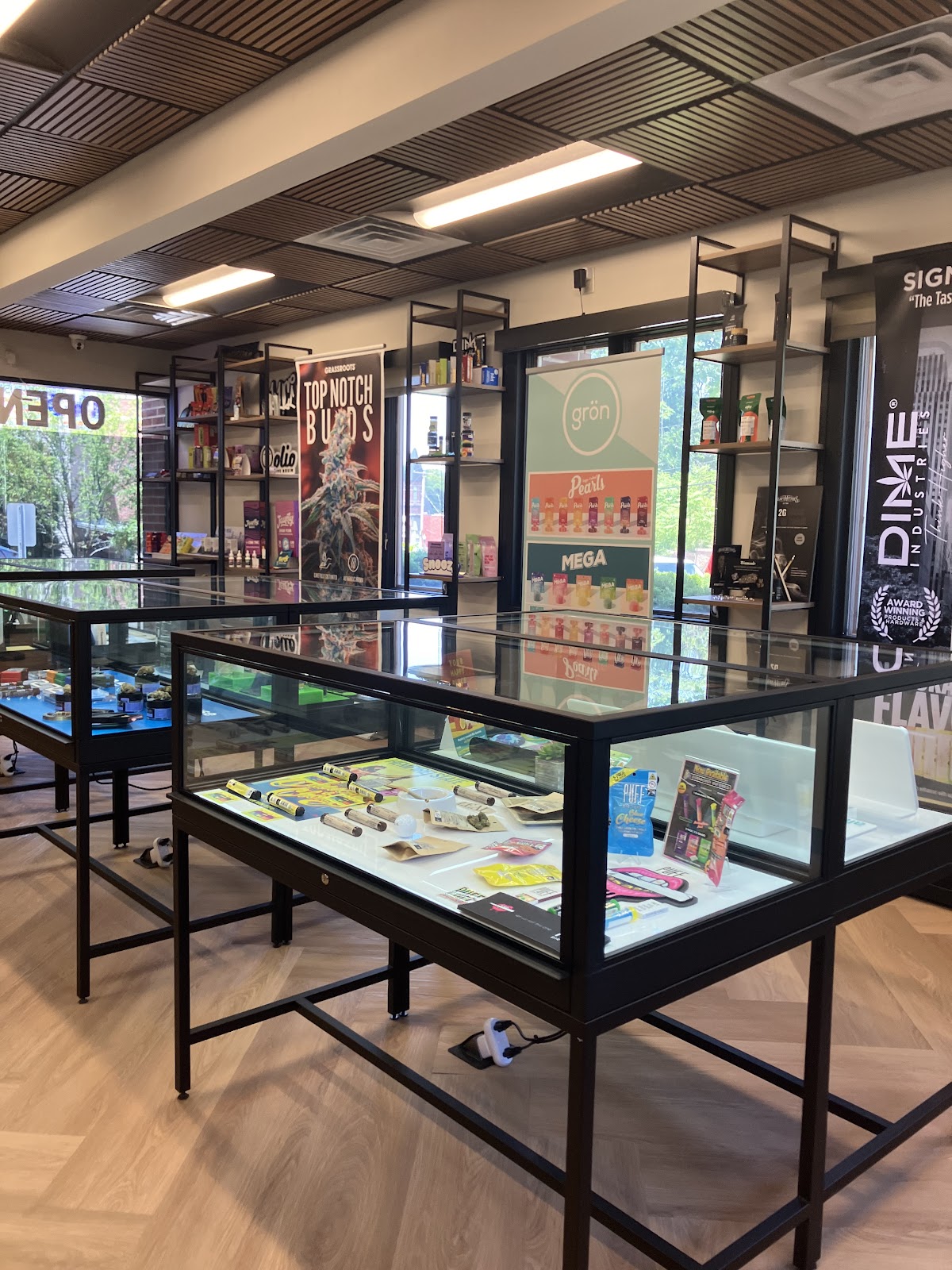
1. The Greenhouse cannabis
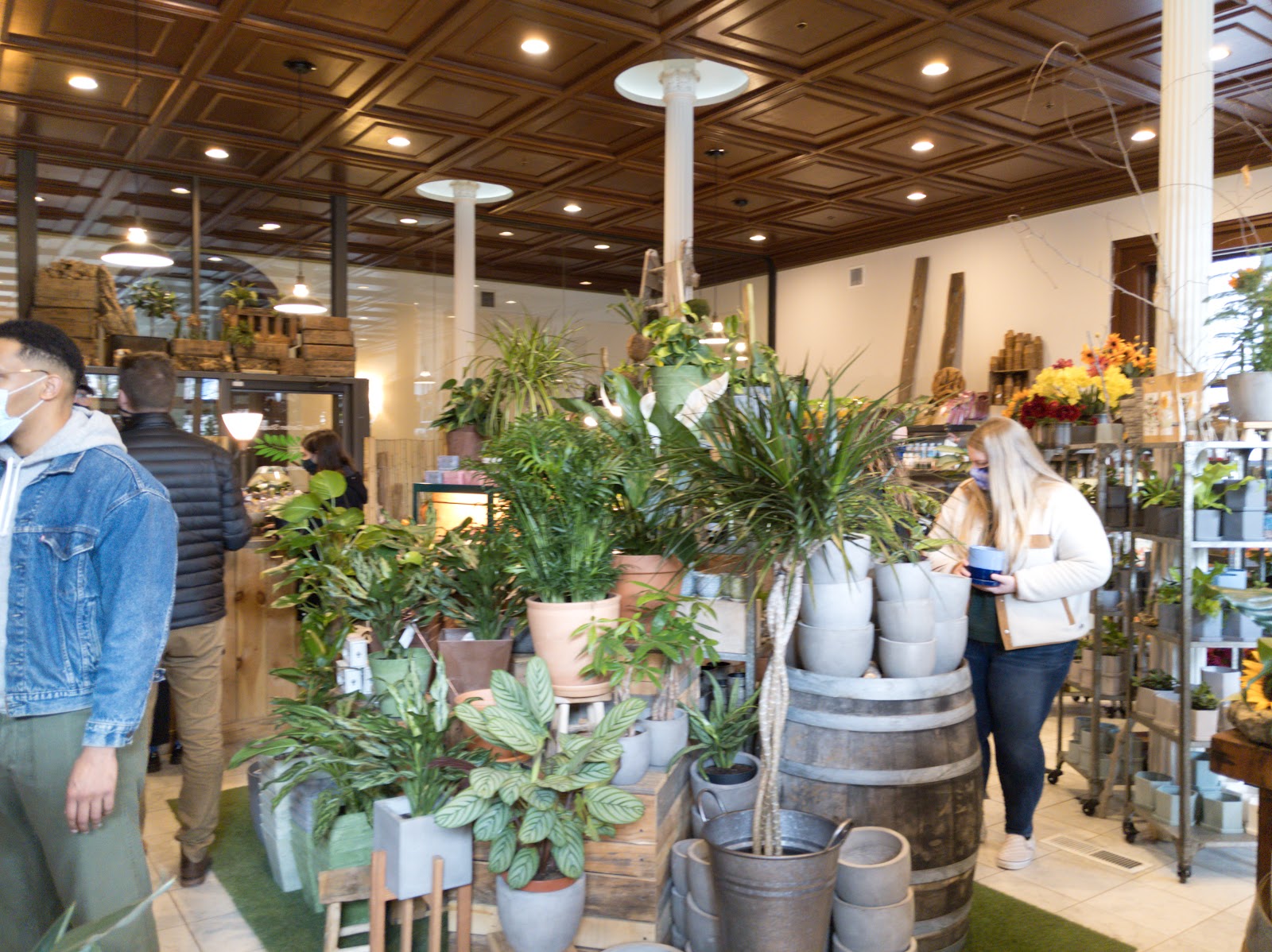
2. River Garden Studio
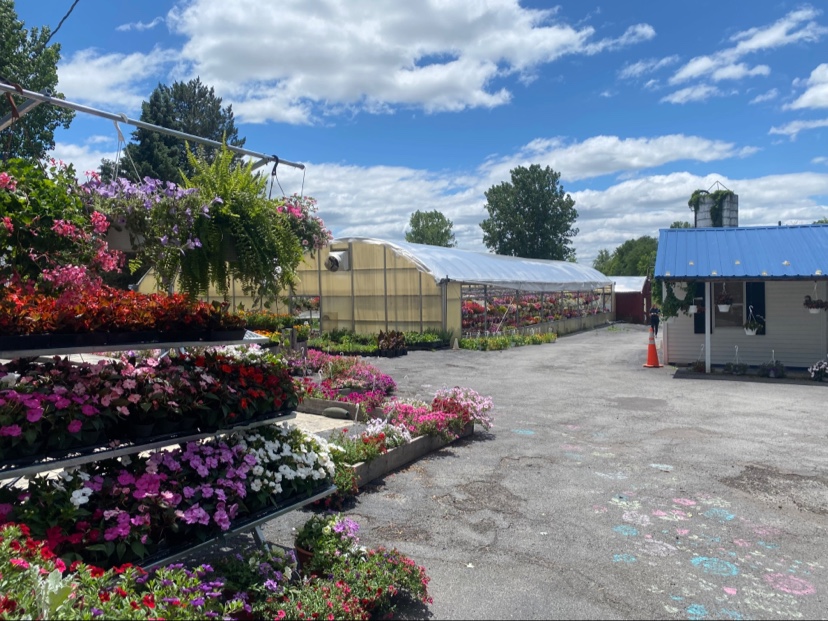
3. Pike's Greenhouse
4. West Shaker Farm

5. Hudson Park Children's Greenhouse
Frequently Asked Questions
Do I need a permit to build a greenhouse in New York?
In most cases, yes. NYS Building Code requires permits for permanent structures. Small temporary hoop houses may be exempt in some rural areas. NYC has especially strict requirements.
What snow load rating do I need for Buffalo or Syracuse?
For Great Lakes snowbelt cities, look for 50–60 PSF minimum. The NYS Building Code specifies ground snow loads by location — your local building department can provide exact design load. Do not purchase standard import kits without verifying ratings.
Can I heat a greenhouse in Upstate NY without spending a fortune?
Smart design choices can reduce heating energy by 40–60%: twin/triple-wall polycarbonate, insulated north wall, thermal mass, night curtains. Choose appropriately sized greenhouse rather than building bigger than needed.
Is a lean-to greenhouse a good option?
Yes — the shared wall with your home dramatically reduces heat loss, and you may tap into existing heating. Generally 30–40% more affordable. Make sure to address snow sliding off main roof.
Can I build a rooftop greenhouse in NYC?
Yes, but requires careful planning: structural engineering assessment, architect/engineer to file plans with NYC DOB, and full permits. Process can take 6–18 months. Work with contractor experienced in NYC rooftop structures.
What's the difference between a greenhouse and a hoop house for NY permits?
Greenhouses have rigid frame and glazing — considered permanent structures requiring permits. Hoop houses use flexible poly film over hoops and may be treated as temporary agricultural structures with lighter permitting in rural areas.
How long to see ROI from a New York greenhouse?
Most home growers see meaningful grocery savings within 2–4 years. Commercial growers can see ROI faster. The quality-of-life value of growing fresh food through winter is hard to quantify.
What is the best time to buy and install?
Ideal installation window is April through September when ground is unfrozen. If you want to be growing by first winter, aim to be operational by early October. Plan purchase in winter/early spring, schedule installation for spring.