Find the Best Greenhouses Near You
Whether you're a first-time gardener or a seasoned grower, finding a quality greenhouse near you can transform the way you garden. This directory connects you with local greenhouses and plant nurseries across all 50 states, making it simple to compare options, read verified reviews, and find exactly what you need close to home.
Greenhouses aren't just for commercial growers. Home gardeners increasingly rely on them to extend their growing season, protect prized plants, and experiment with species that wouldn't otherwise thrive in their climate. From compact backyard kits to walk-in glass structures, there's a greenhouse for every space and budget.
Greenhouses and plant nurseries overlap more than most people realize. Many local nurseries operate greenhouses on site to grow and sell their plants, and many sell greenhouse structures and supplies too. That's why this directory includes both — so you can find plants, structures, and expert advice all in one search for "greenhouses near me."
Extend Your Growing Season
A greenhouse traps heat and light, letting you grow vegetables, herbs, and flowers months earlier in spring and far later into fall — or even year-round in many climates.
Protect Plants from the Elements
Shield delicate seedlings and tropicals from frost, hail, heavy rain, wind, and pests. A controlled environment dramatically improves survival and yield.
Grow a Wider Variety
Cultivate exotic, tropical, and out-of-zone plants that would never survive outdoors in your region by controlling temperature and humidity.
Healthier, Stronger Plants
Consistent conditions mean less transplant shock, fewer diseases, and more vigorous growth from seed to harvest.
How to Use This Directory
Finding the right greenhouse is quick and easy. Follow these three simple steps to discover local growers in your area.
Search Your Location
Enter your city, state, or zip code in the search bar to instantly find greenhouses near you. Or browse by state below.
Filter & Compare
Narrow results by plant type, services offered, ratings, and distance. Use the map view to see what's closest to you.
Read Reviews & Visit
Check verified reviews, hours, and contact details. Then visit the listing page for directions, photos, and more.
Best Greenhouses by State
Our 10 most-listed states account for the largest concentration of greenhouse and nursery businesses in the country, and each one presents a distinct growing environment. California alone holds 423 listings — the most of any state — while Michigan rounds out the top ten with 100 listings serving a climate that demands cold-hardy selections and a compressed outdoor growing season. Here's what gardeners in each state should know before searching.
Popular cities in California:
Top Rated Greenhouses in California
1. Cucumber Shop

2. The Prickly Pear
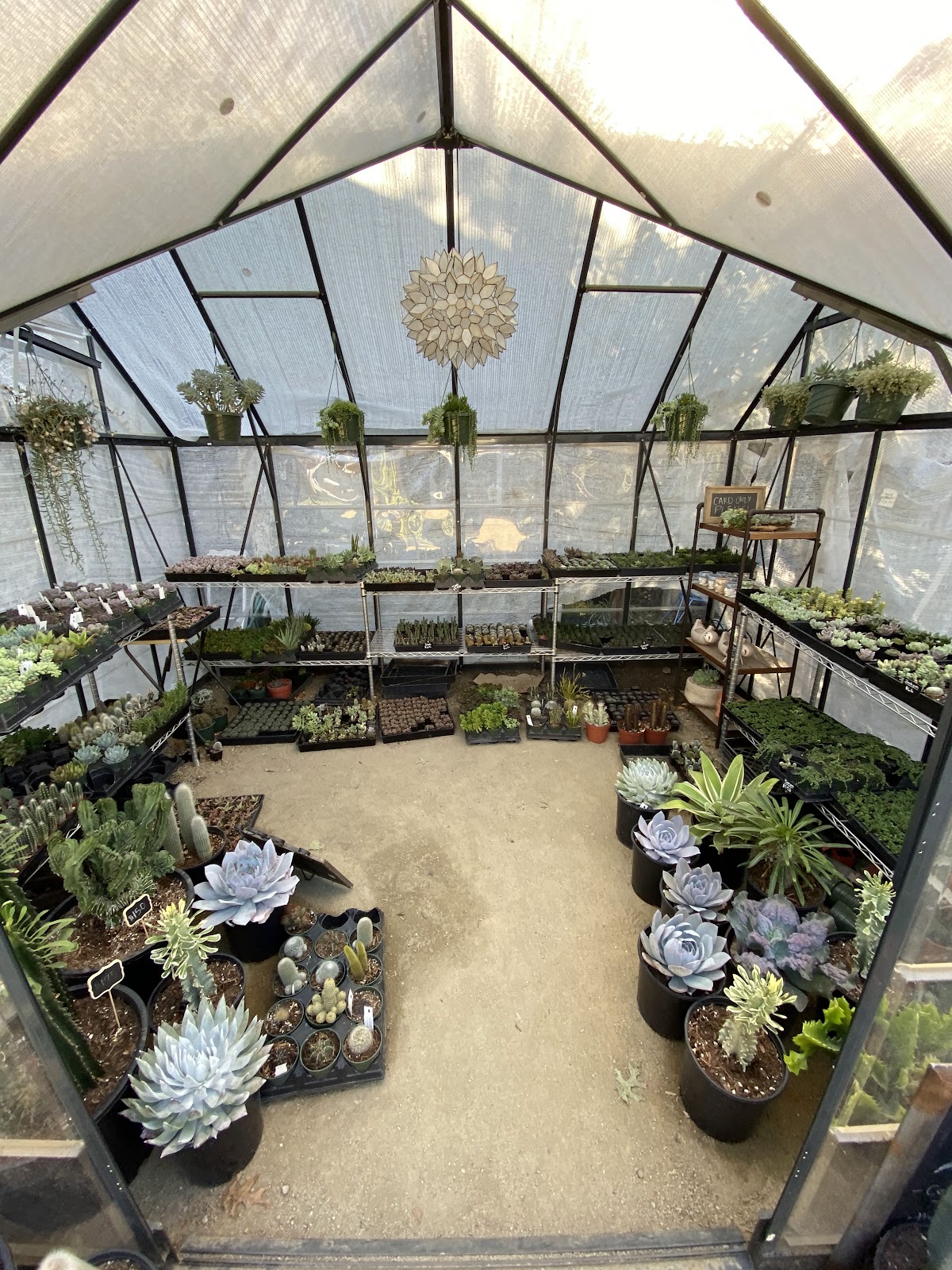
3. Keep On Blooming Boutique
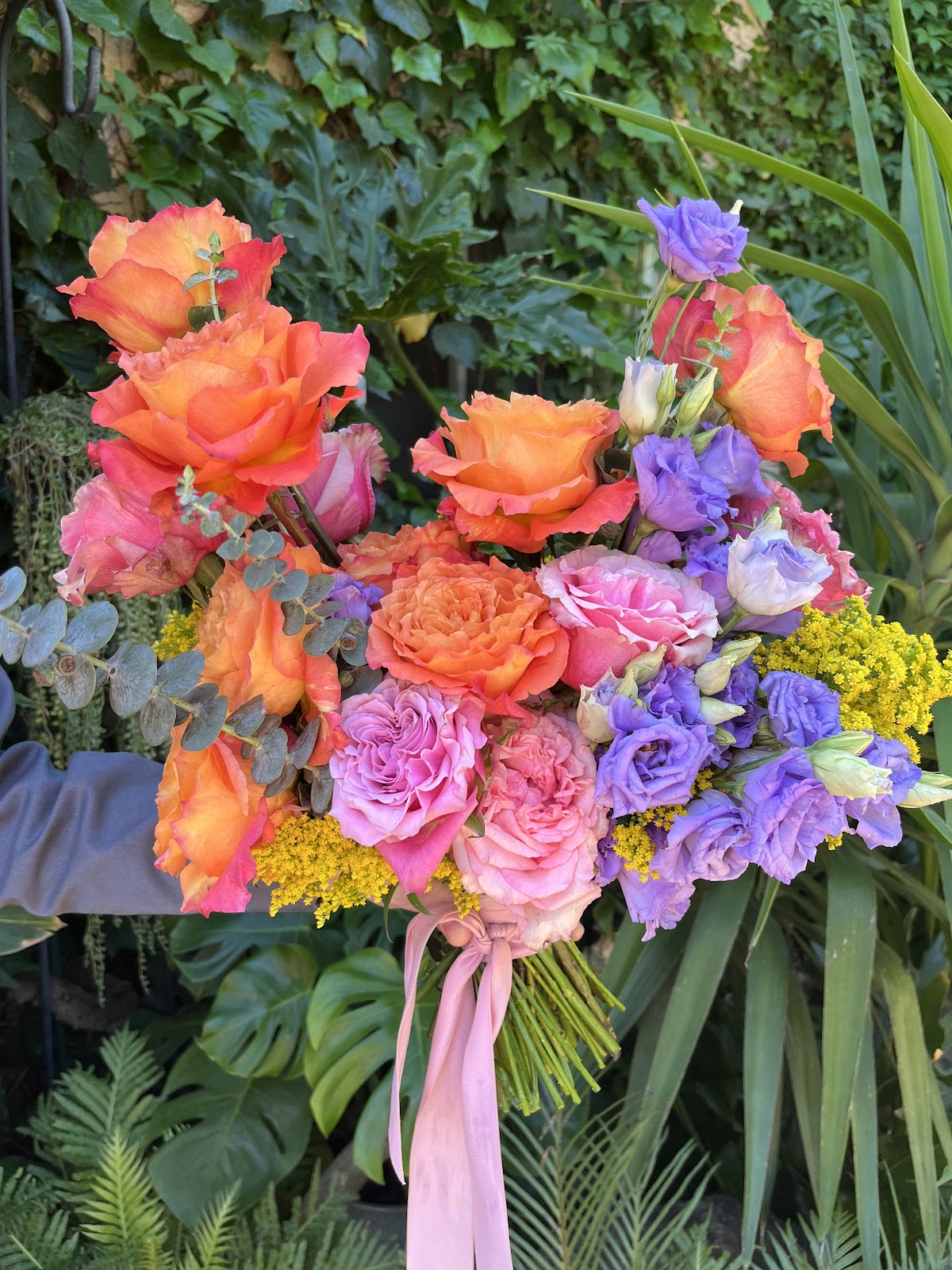
4. Pacific Green House
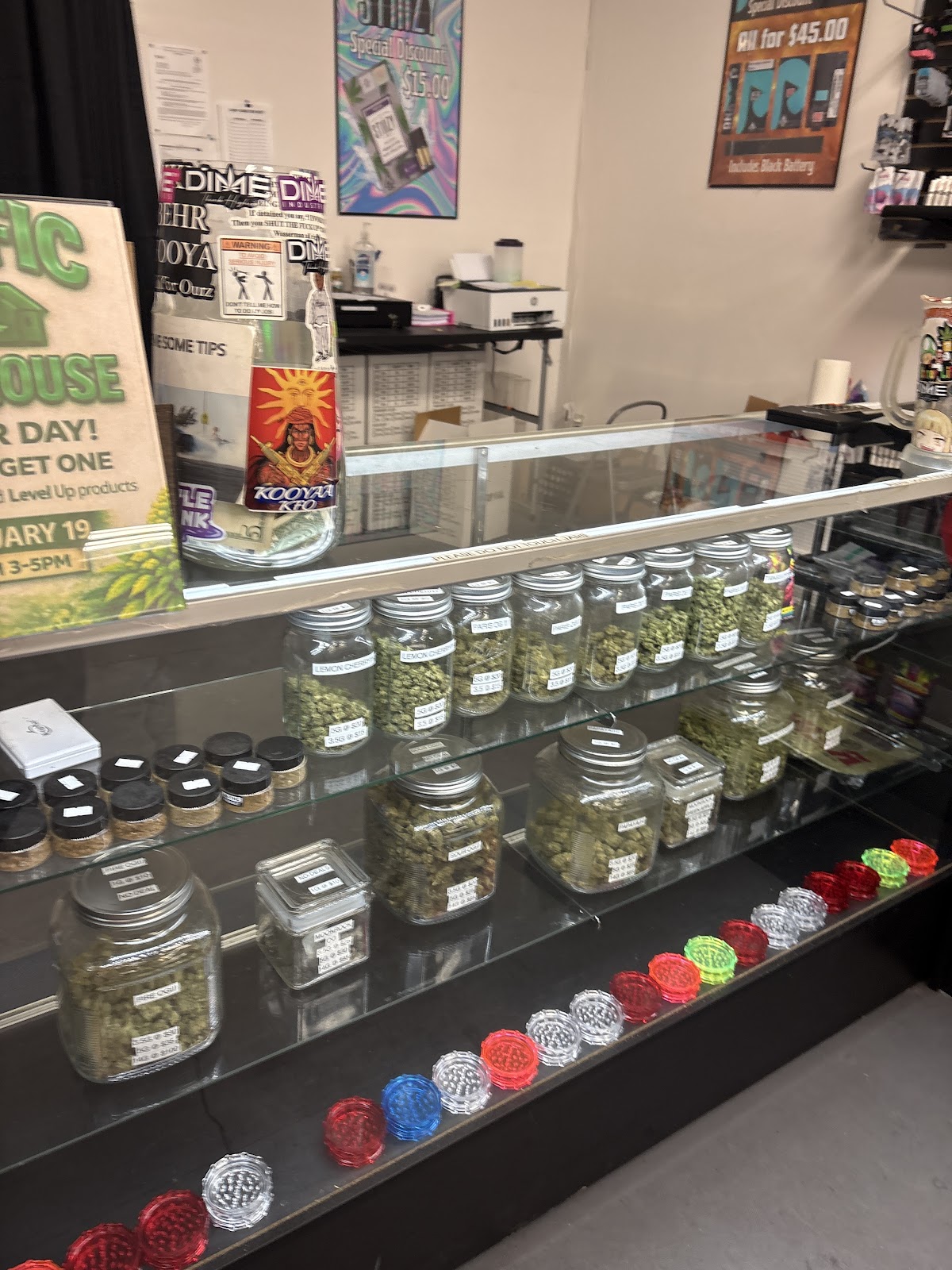
5. Zuma Orchids
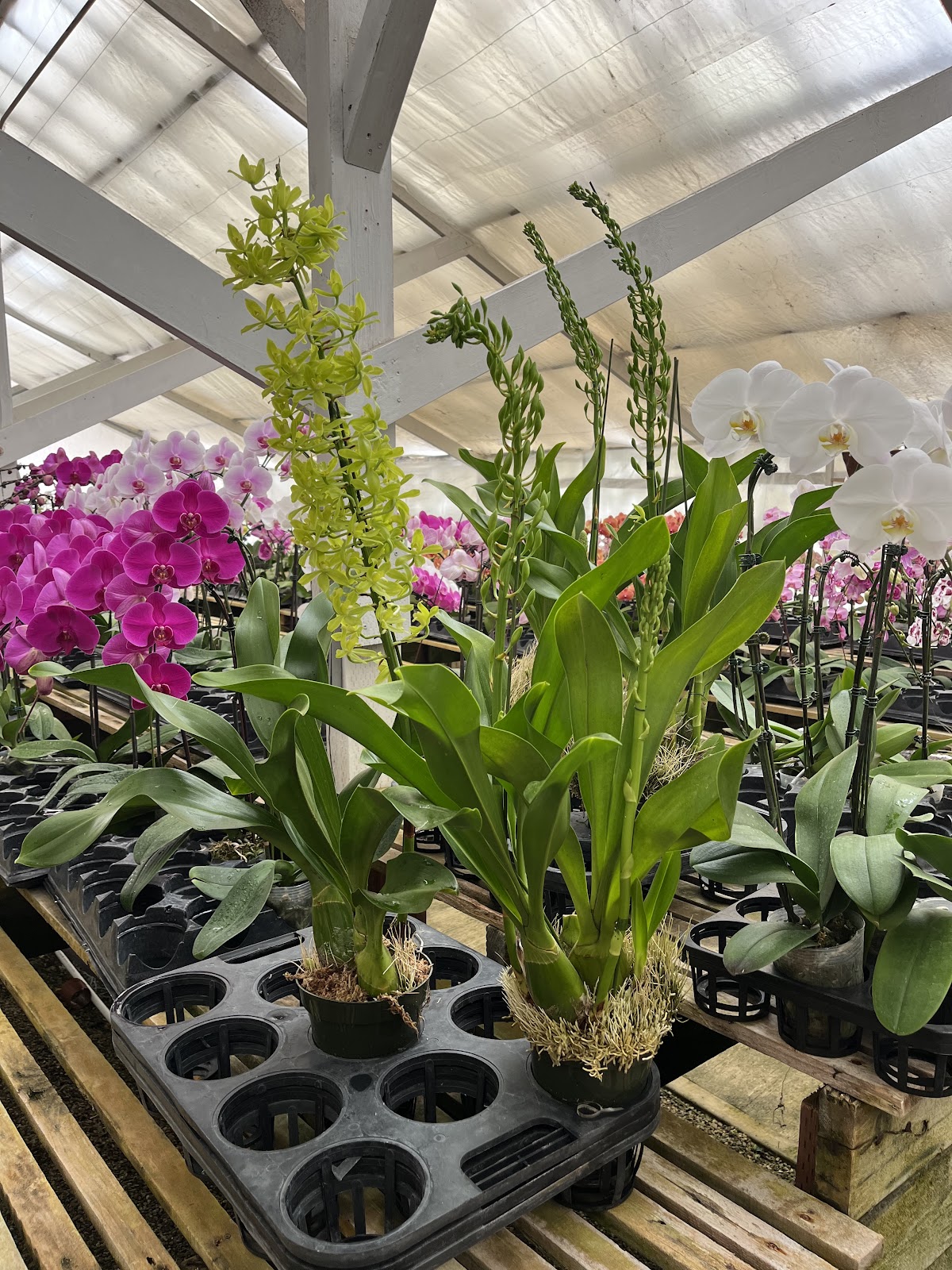
Top Rated Greenhouses in Texas
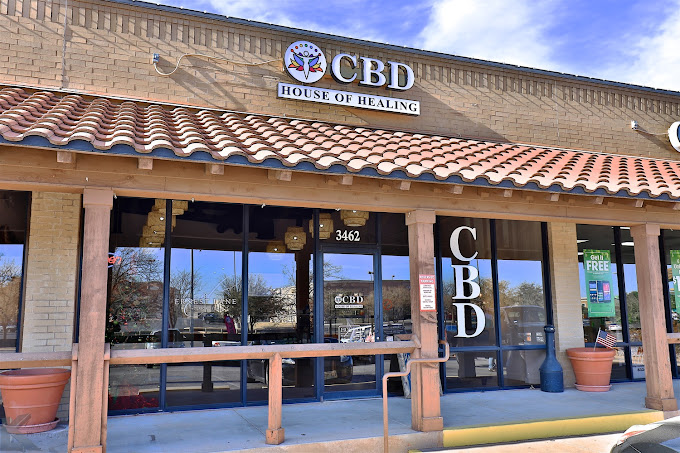
1. CBD House of Healing
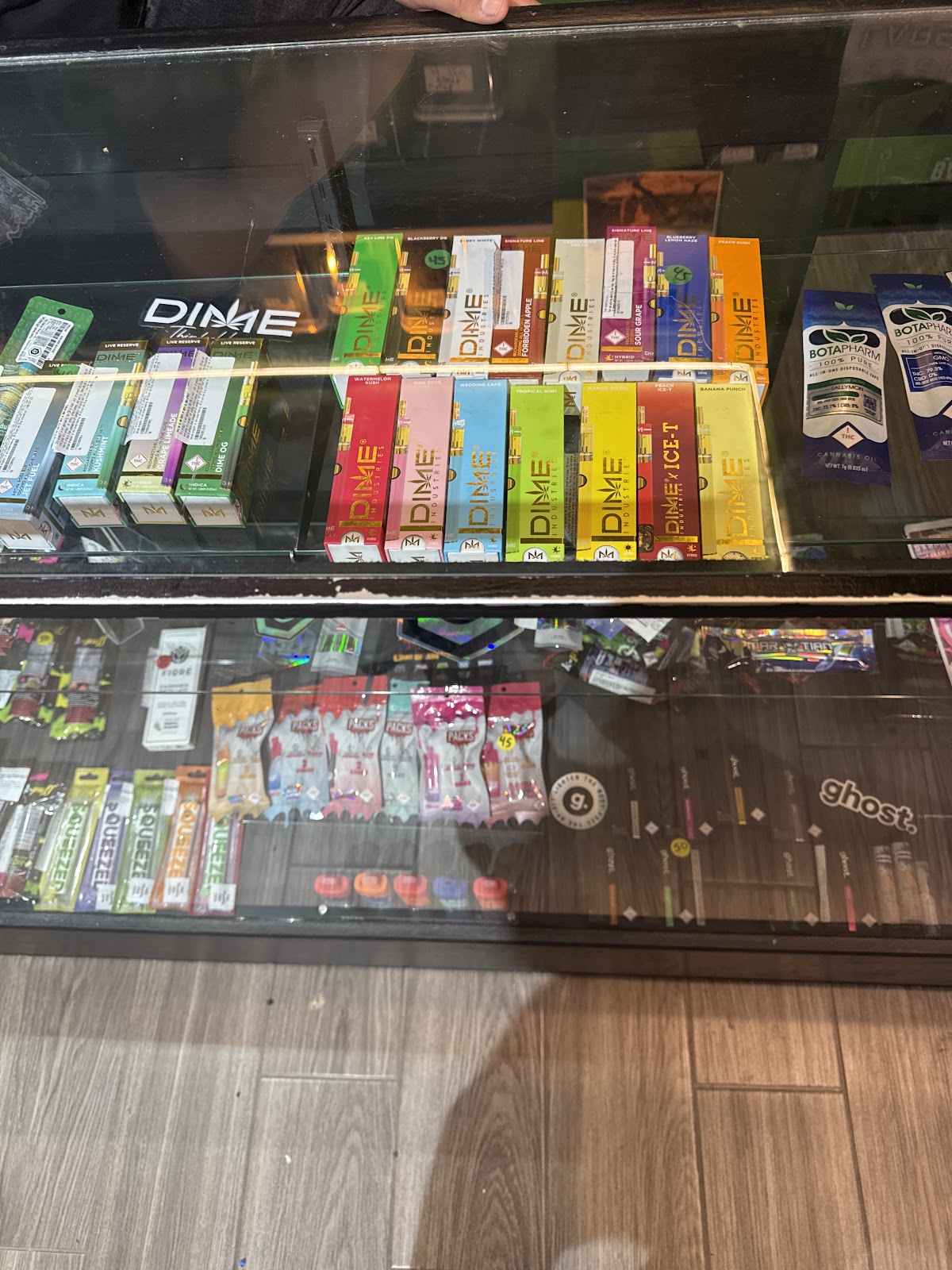
2. The Cannabis Shop

3. Green Labs
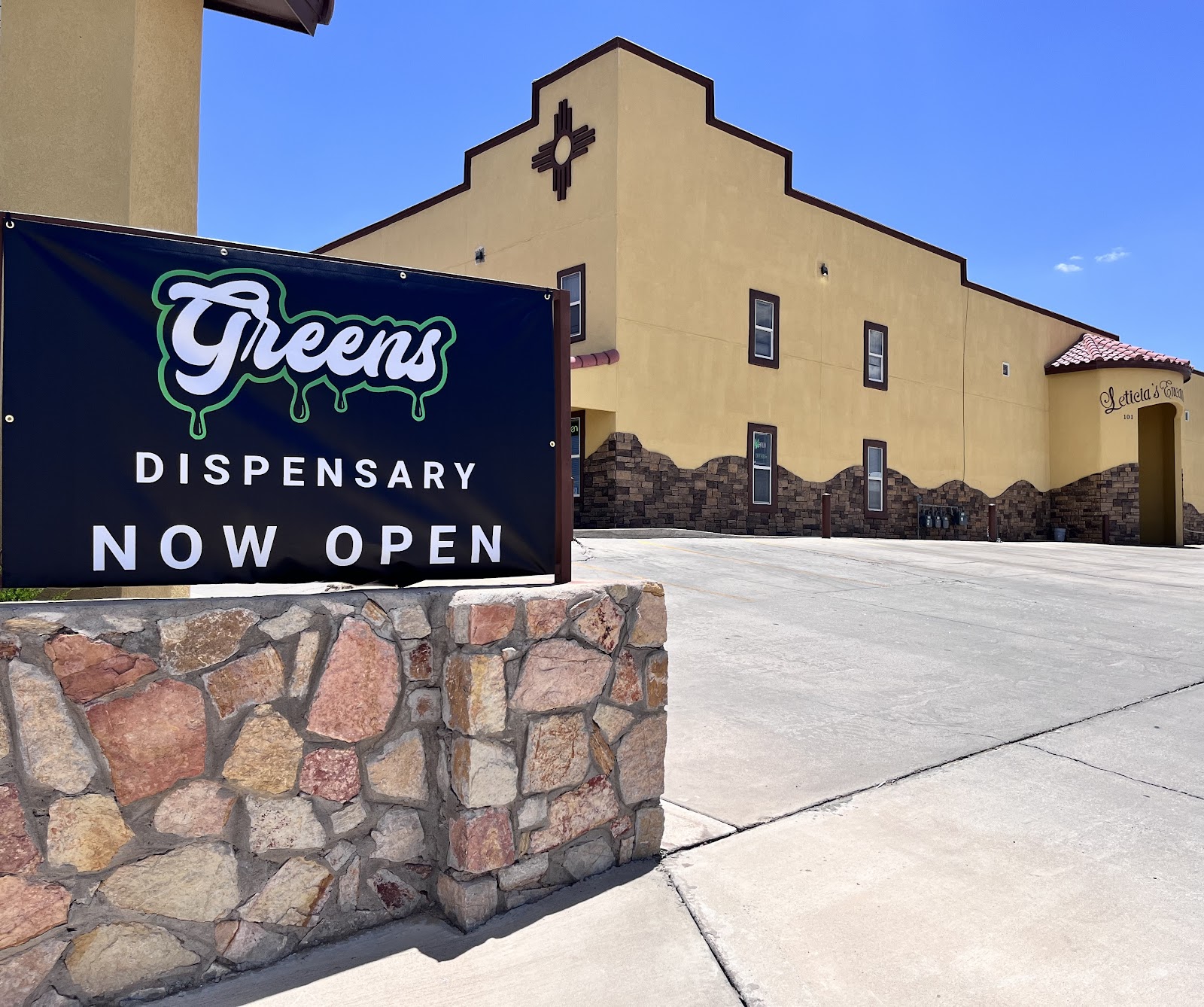
4. Greens-Dispensary Sunland Park
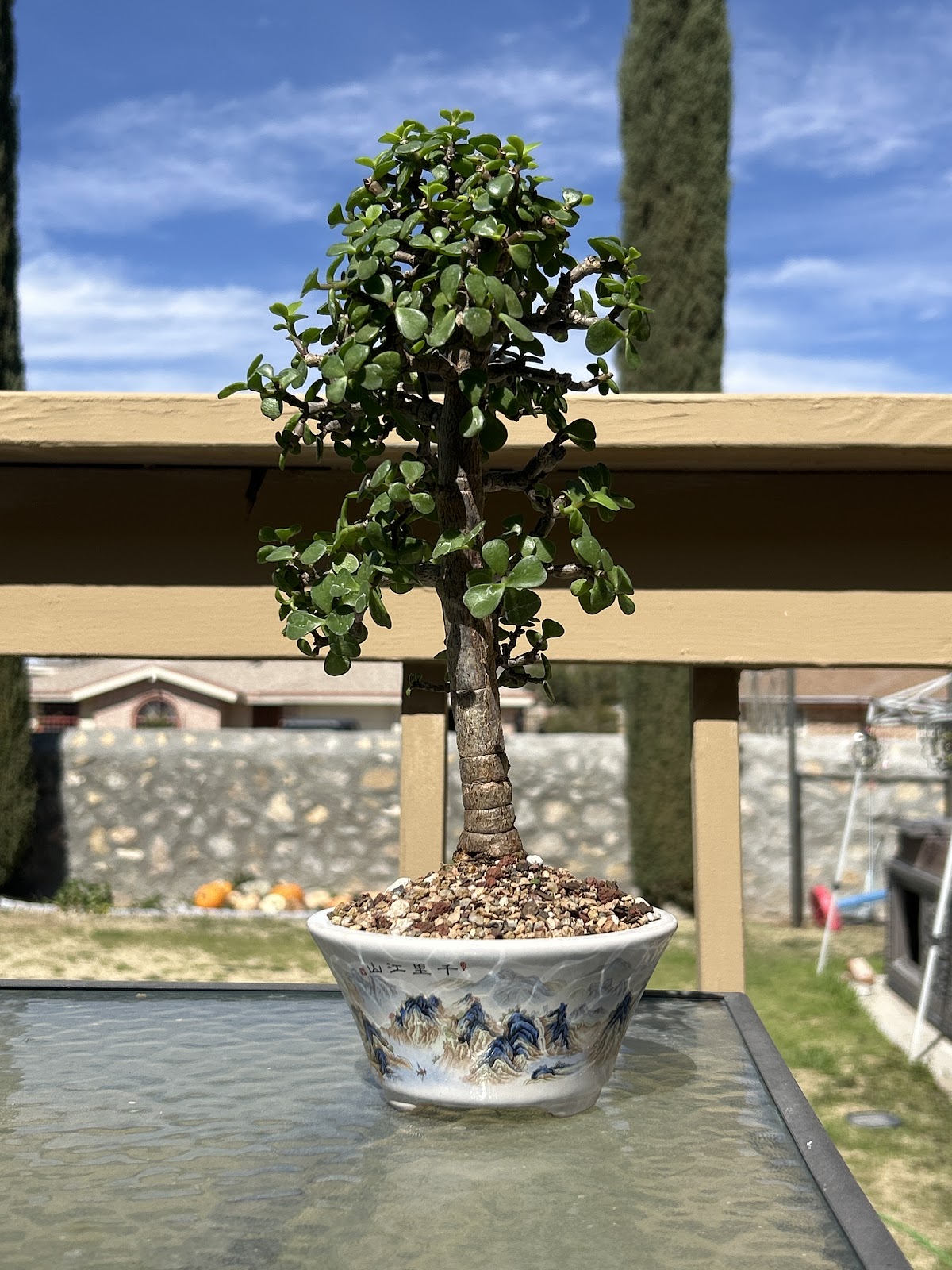
5. Dragon's Garden Bonsai LLC
Top Rated Greenhouses in Florida
1. Frida's
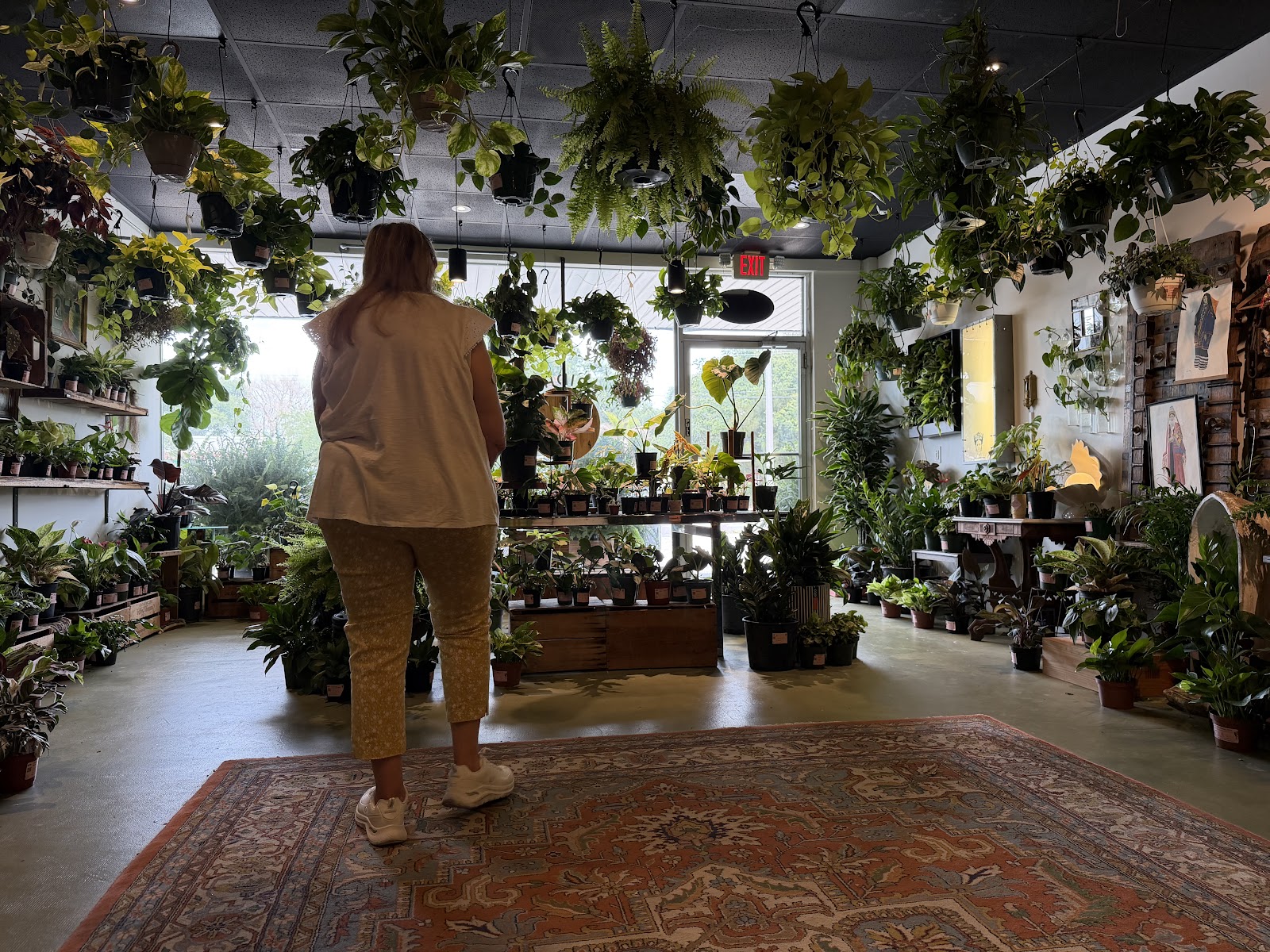
2. Verdant Lyfe, LLC
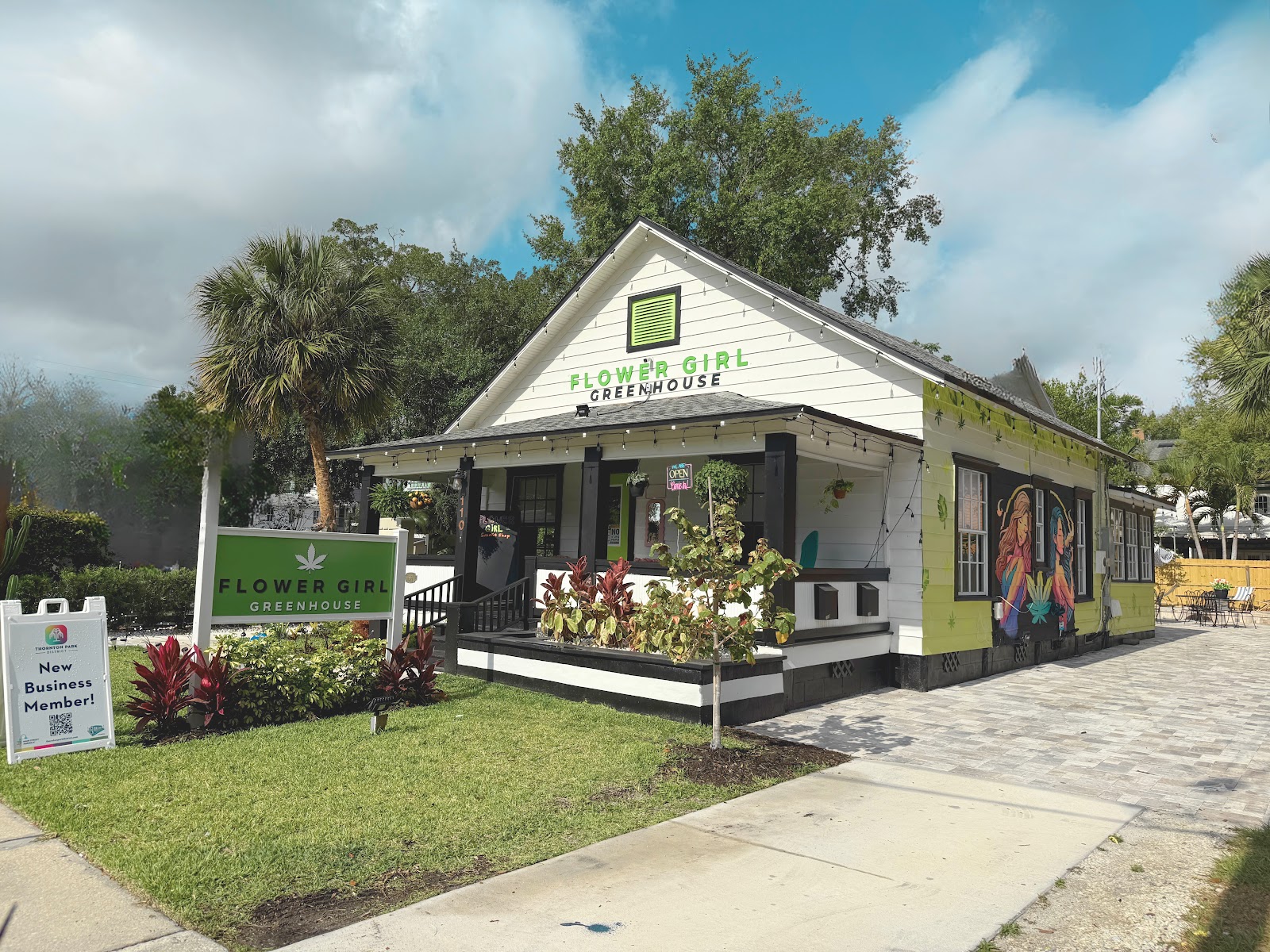
3. Flower Girl Dispensary
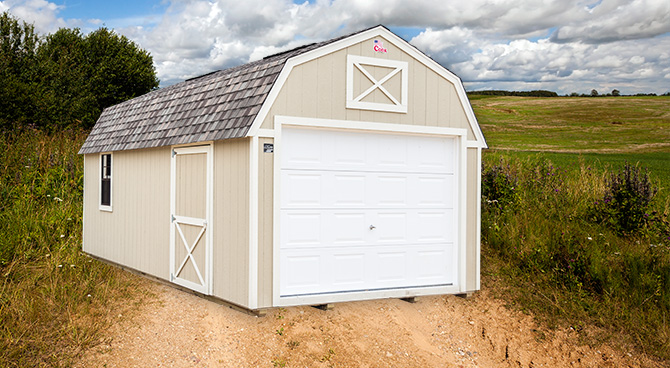
4. Cook Portable Warehouses - Leonard Truck Outfitters
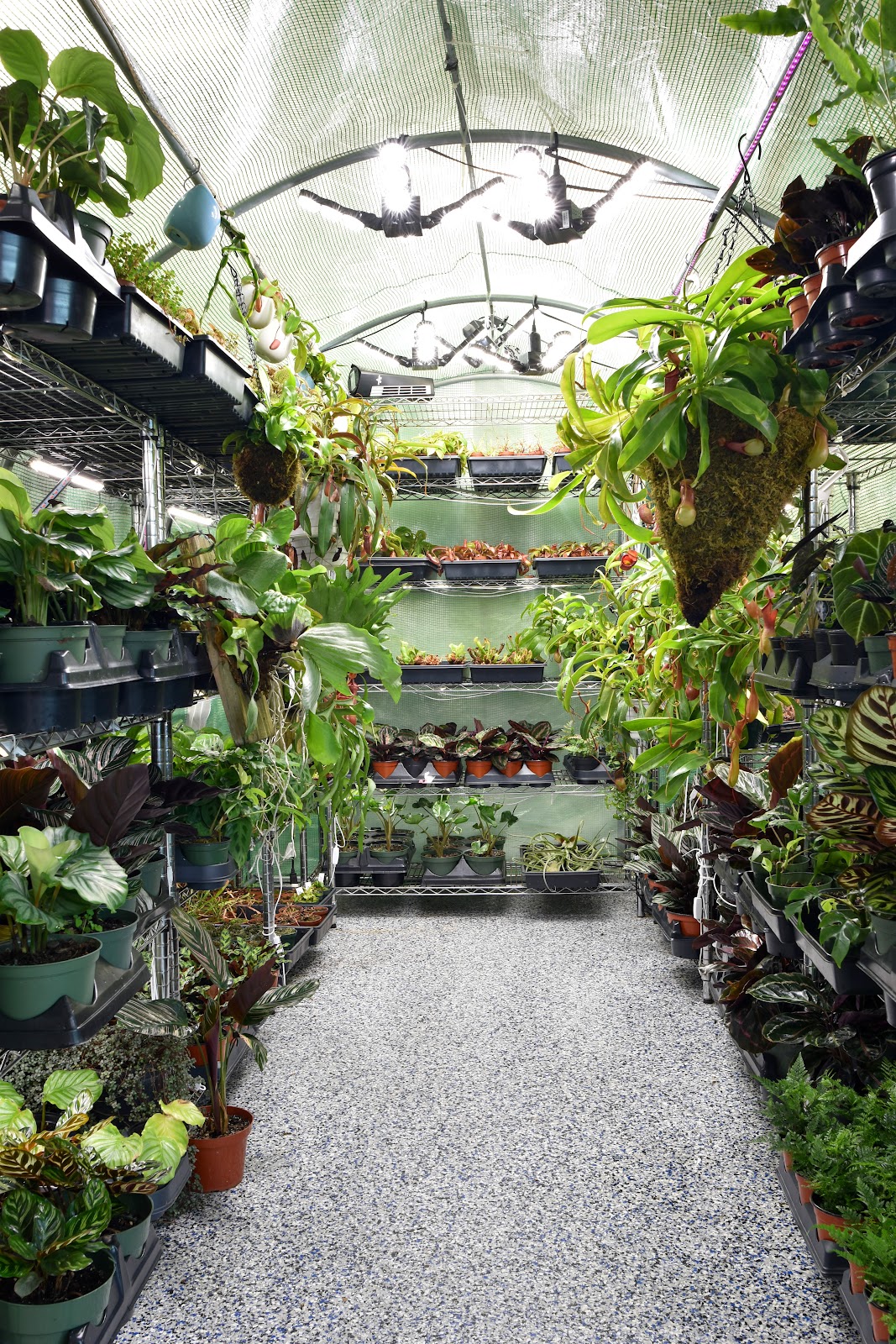
5. GROW HUB
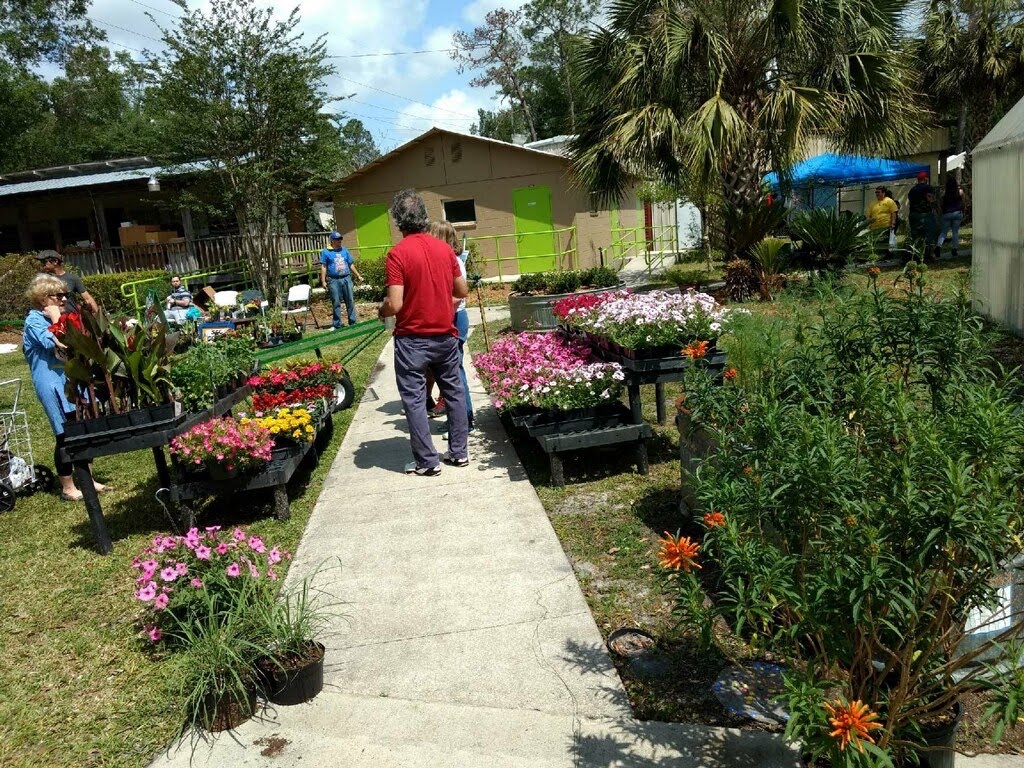
Popular cities in New York:
Top Rated Greenhouses in New York
1. The Greenhouse cannabis
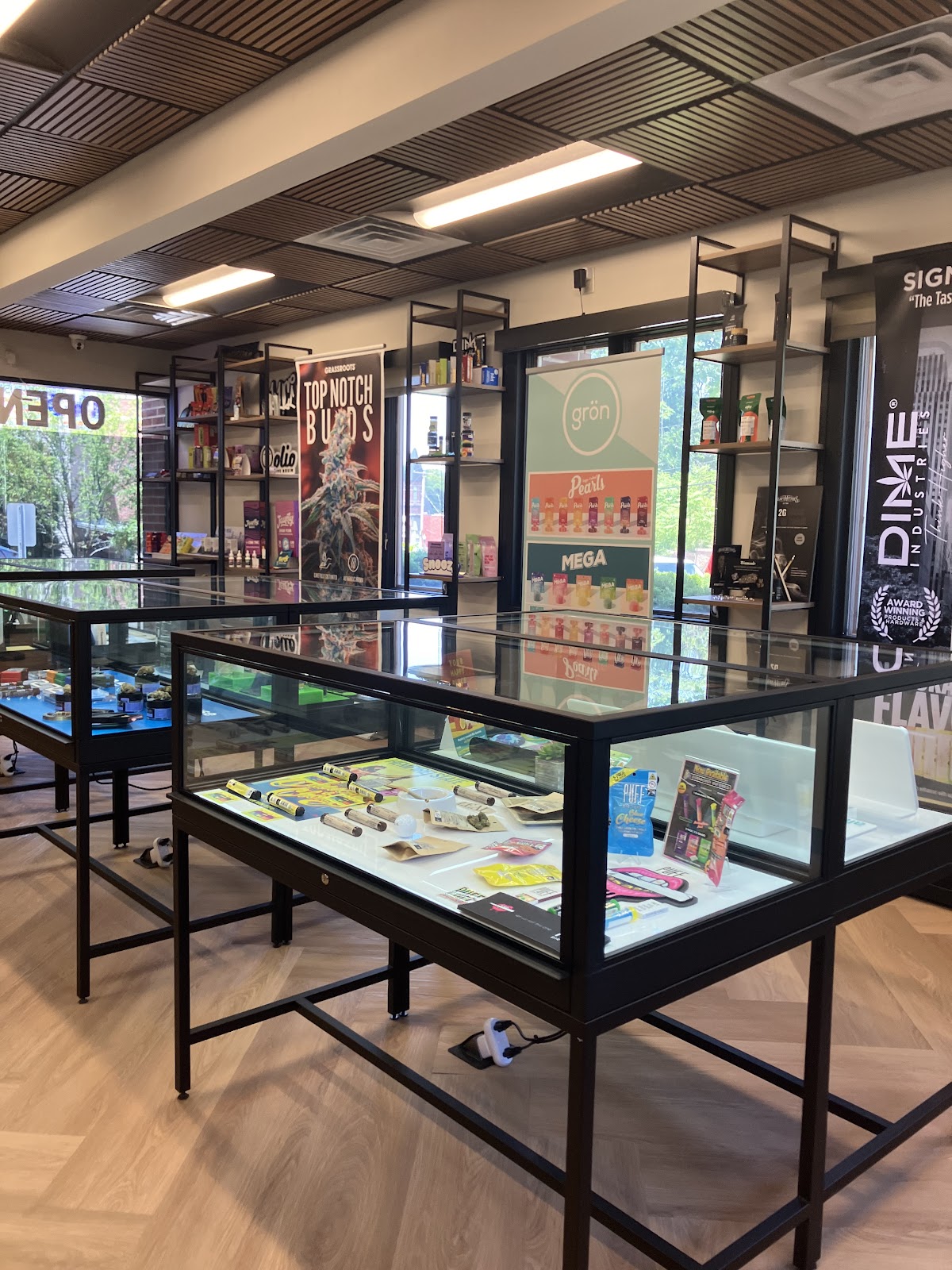
2. River Garden Studio
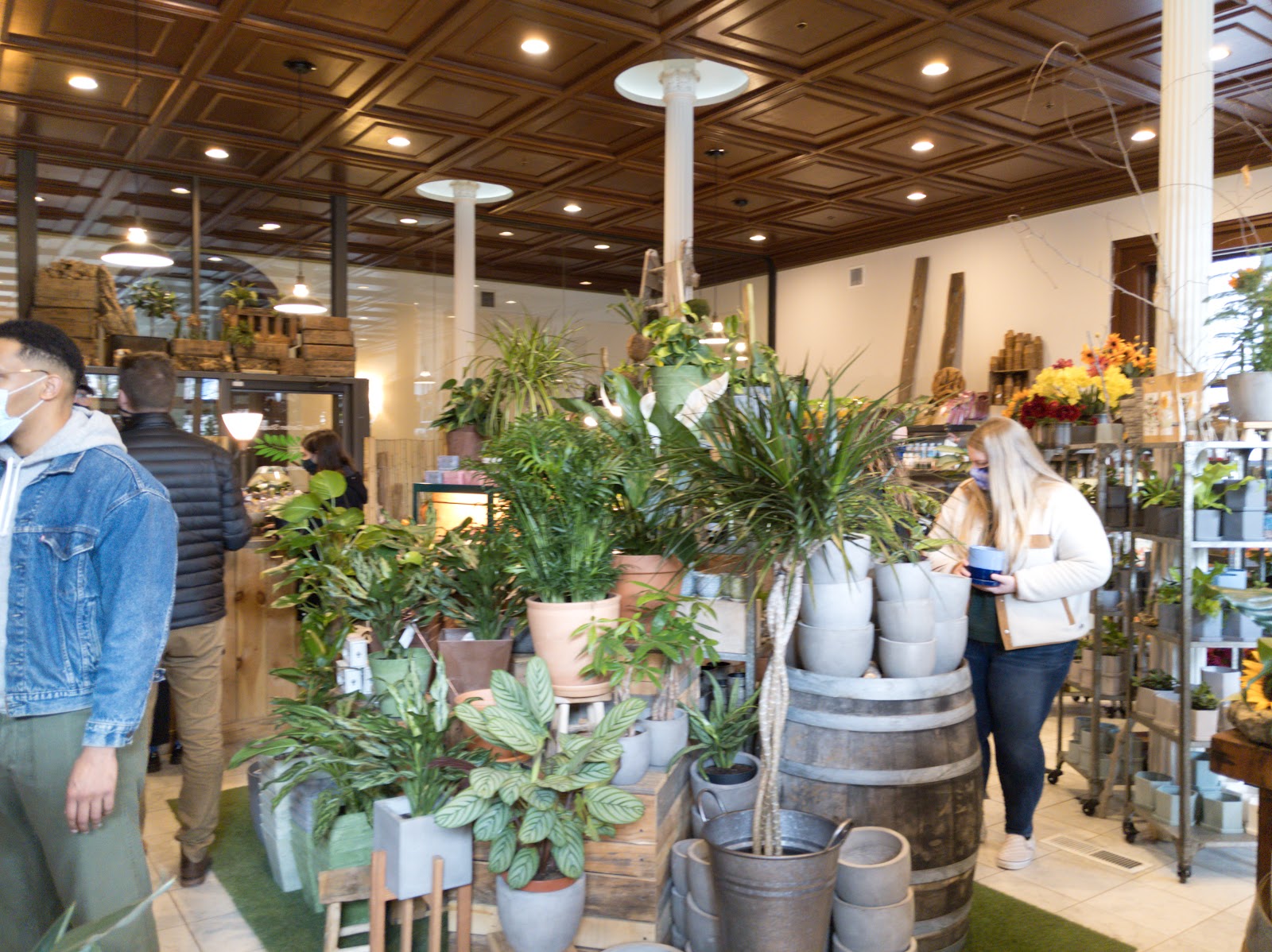
3. Pike's Greenhouse
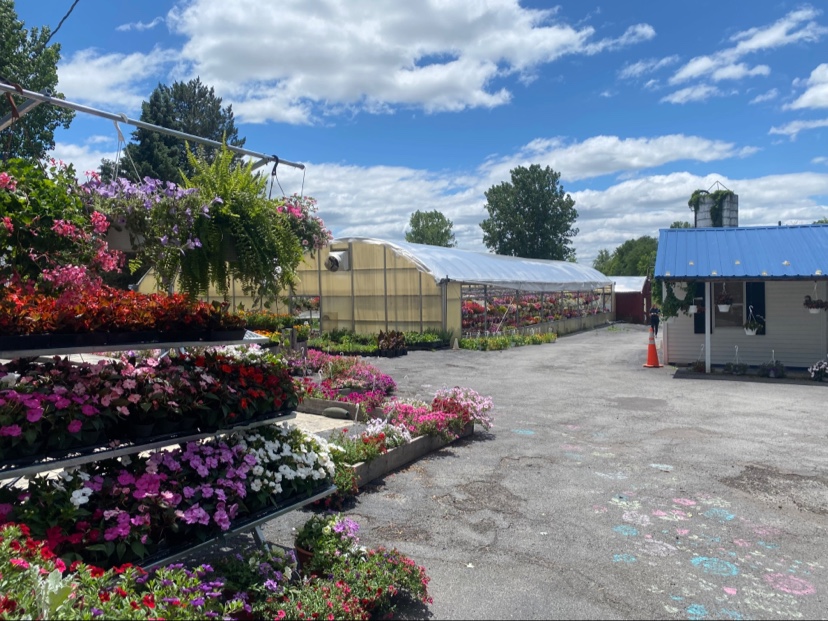
4. West Shaker Farm

5. Hudson Park Children's Greenhouse
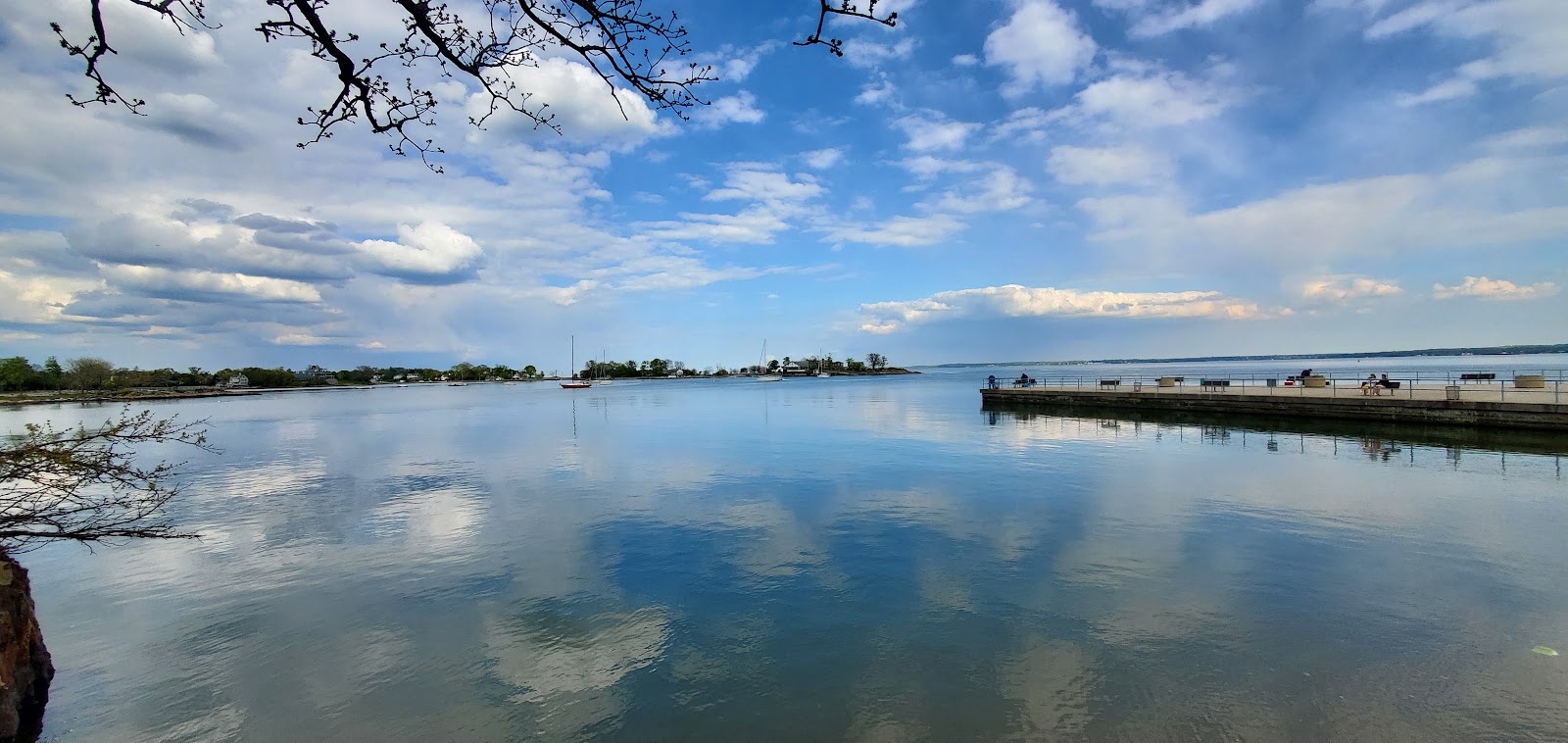
Popular cities in Pennsylvania:
Top Rated Greenhouses in Pennsylvania
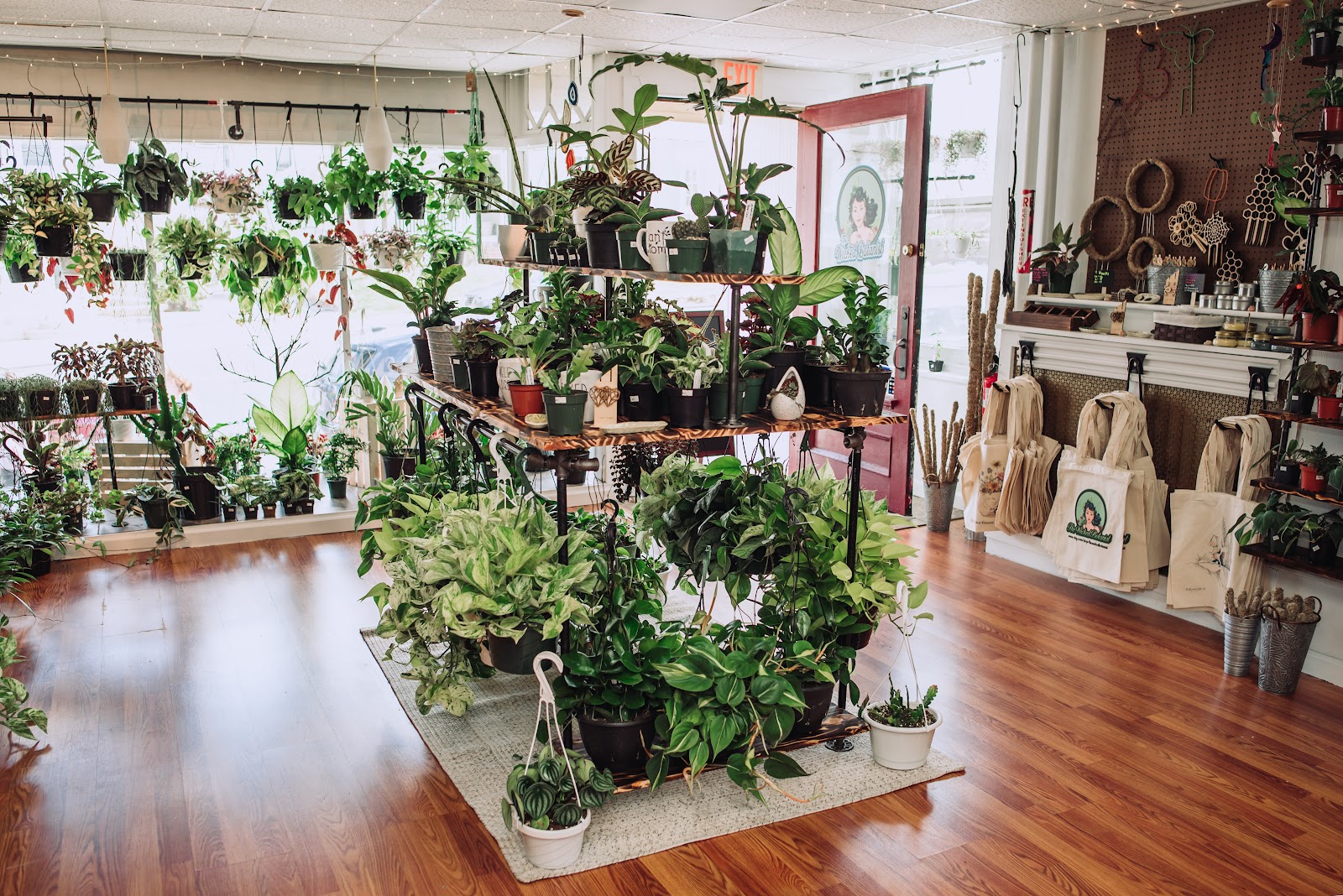
1. The Wicked Botanist
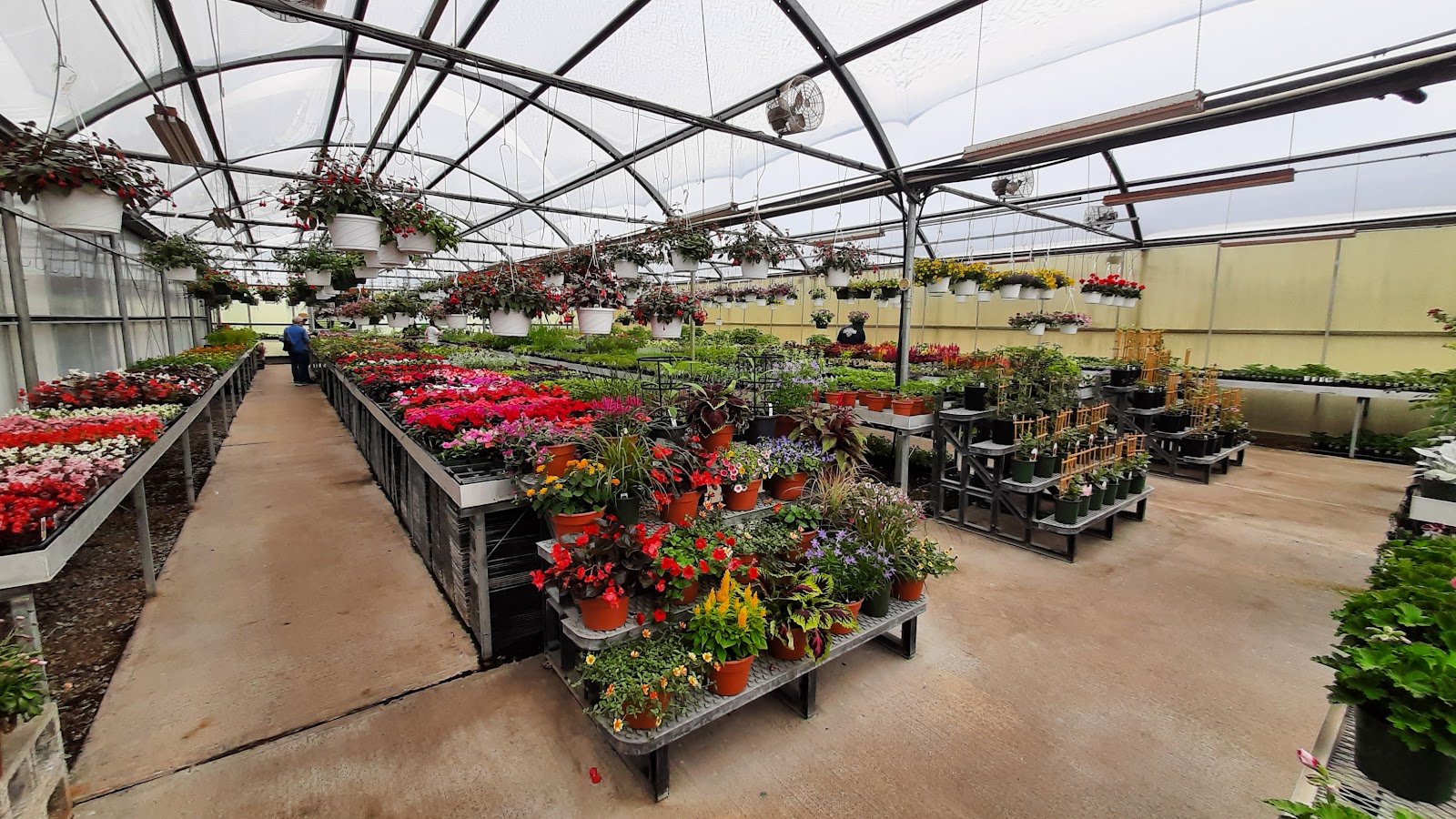
2. Countryside Farm & Greenhouse
3. Greenhouse Co-op
4. Geigertown Greenhouse
5. Golomb Greenhouse
Popular Types of Greenhouses & Plants
Greenhouses and nurseries specialize in different plant types. Whether you're after drought-tolerant succulents, lush tropicals, or certified-organic edibles, browse by category to find growers that focus on what you love.
Garden Center
1,270 listings
Greenhouse
1,232 listings
Plant Nursery
1,196 listings
Florist
339 listings
Landscaping
315 listings
Gift Shop
287 listings
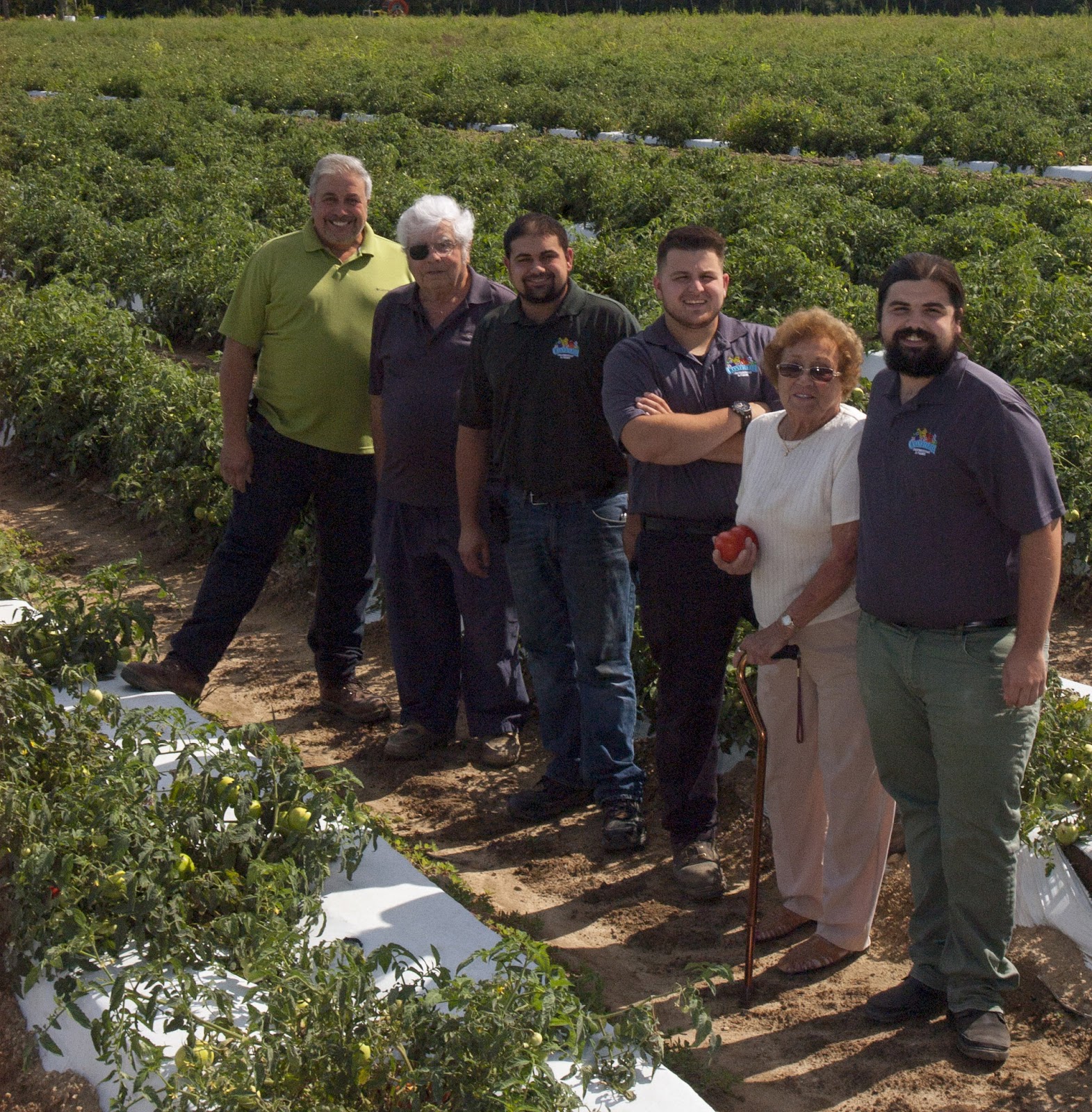
Wholesale
224 listings
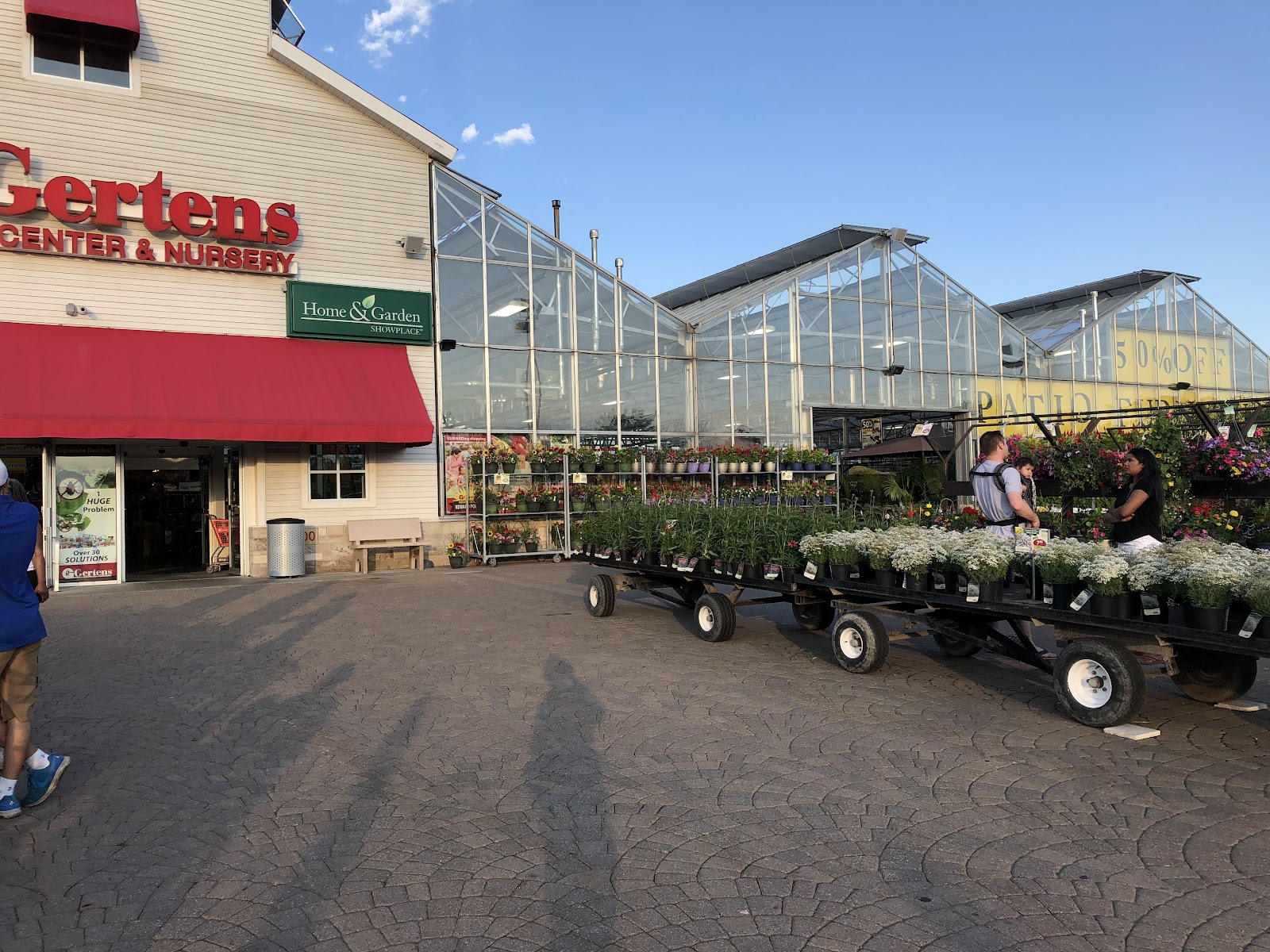
Landscaping Supply
155 listings
Types of Greenhouses & Growing Structures: What Each One Offers
The term 'greenhouse' covers a wide range of structures with very different capabilities, price points, and ideal use cases. A lean-to attached to a south-facing wall serves a completely different purpose than a freestanding Venlo-style commercial range. Understanding the structural categories helps you evaluate what a local greenhouse business is actually capable of growing — and helps you make a smarter purchase if you're adding a structure to your own property.
Lean-To Greenhouse
$500–$8,000A lean-to greenhouse attaches directly to an existing structure — typically a house, garage, or barn wall — using that wall as one side of the building. This design reduces material costs and takes advantage of heat stored in the adjoining structure, which meaningfully lowers heating costs in cold climates. The shared wall also simplifies running electrical and water lines. The tradeoff is light limitation: the attached wall blocks light from one direction, which matters for light-hungry crops. Lean-tos work exceptionally well for overwintering tender perennials, starting seeds, and growing herbs through winter. Sizes typically range from 6x8 feet up to 12x20 feet for residential applications.
Best for: Homeowners with south or east-facing walls, seed starting, overwintering tender plants
Freestanding Gable Greenhouse
$1,500–$25,000+The classic freestanding greenhouse with a peaked ridge roof is the most versatile structure for serious home growers and small commercial operations. Light enters from all sides and both roof slopes, giving plants more uniform exposure than any attached design. Gable greenhouses can be oriented to maximize winter sun capture — typically with the ridge running east-west — and they scale well from hobby sizes (8x12 feet) up to large commercial ranges. Ventilation is straightforward with ridge vents and side louvers. This is the structure most residential greenhouse buyers end up choosing because it balances cost, functionality, and expandability better than the alternatives.
Best for: Year-round growing, vegetable production, serious plant collectors, small commercial operations
Hoop House / High Tunnel
$300–$5,000Hoop houses use bent metal conduit or galvanized pipe arched over a growing space and covered with greenhouse-grade polyethylene film. They are the most cost-effective way to extend a growing season by 6 to 10 weeks on each end, and many market gardeners and small farms rely on them as their primary production tool. They don't provide the same winter protection as glazed structures — temperatures inside track outdoor temperatures fairly closely — but they block frost, wind, and precipitation effectively. The plastic covering typically needs replacement every 4 to 6 years. USDA NRCS cost-share programs have made high tunnels financially accessible for small farm operations.
Best for: Market gardeners, season extension, cut flower production, small farm operations
Gothic Arch Greenhouse
$800–$12,000The gothic arch profile — a pointed rather than rounded peak — sheds snow more effectively than a standard hoop house and handles wind loads better due to its structural geometry. This makes it a preferred design in northern states where snow accumulation is a real structural concern. Gothic arch greenhouses are available in both single-layer poly film and double-layer inflated configurations; the double-layer version adds significant insulation value by trapping an air barrier between the two films. Many small commercial growers choose gothic arch structures as their first permanent growing facility because they offer more durability than standard hoop houses at a still-manageable price point.
Best for: Northern climates with snow load concerns, small commercial growers, year-round production
Venlo / Commercial Glasshouse
$25,000–$500,000+Venlo-style greenhouses represent the commercial standard for large-scale production operations. Originating in the Netherlands, this modular design uses glass panels in a multi-bay configuration that can scale to cover acres of growing space. The standardized components make expansion straightforward, and the glass glazing provides superior light transmission compared to any plastic alternative. Heating, irrigation, CO2 enrichment, and environmental controls are typically fully automated in Venlo operations. The capital cost is substantial, but the productivity per square foot justifies the investment for serious commercial growers. Most large wholesale nurseries and cut flower operations in our database use some variation of this structure.
Best for: Commercial production, wholesale nurseries, large-scale vegetable and cut flower operations
Greenhouse Glazing Materials
Glazing material determines how much light reaches your plants, how well the structure retains heat, and how long the covering lasts before needing replacement. Each option involves real tradeoffs between upfront cost, light transmission, insulation value, and durability.
Tempered Glass
Glass is the traditional greenhouse glazing and still offers the best long-term light transmission — it doesn't yellow or degrade the way plastics do over time. Tempered glass is impact-resistant and holds its clarity for decades. The drawbacks are weight (requiring a sturdier frame), higher upfront cost, and the fact that a single-pane glass greenhouse loses heat rapidly. Double-pane insulated glass units solve the heat loss problem but add significant cost and weight. Glass is the right choice when longevity and aesthetics matter more than budget.
Pros: Exceptional clarity, decades-long lifespan, doesn't yellow
Cons: Heavy, expensive, poor insulation unless double-pane
Twin-Wall Polycarbonate
Twin-wall polycarbonate has become the dominant glazing choice for residential and small commercial greenhouses over the past two decades. The dual-wall construction with internal channels provides meaningful insulation (typically R-1.5 to R-2.5 depending on thickness) while transmitting 80 to 83 percent of available light. It's lightweight, impact-resistant, and significantly less expensive than glass. UV-stabilized panels typically last 10 to 15 years before yellowing noticeably affects light transmission. The 8mm and 16mm thicknesses are the most common choices, with 16mm offering better insulation for cold climates.
Pros: Good insulation, lightweight, impact-resistant, cost-effective
Cons: Yellows over time, lower light transmission than glass, needs UV coating
Polyethylene Film
Single or double-layer polyethylene film is the most affordable greenhouse covering available and the standard choice for hoop houses and high tunnels. Modern greenhouse-grade poly film includes UV inhibitors and infrared-blocking additives that meaningfully improve heat retention compared to standard plastic sheeting. Double-layer inflated film creates an insulating air barrier that can reduce heating costs by 30 to 40 percent compared to single-layer. The significant limitation is lifespan — even quality greenhouse poly typically needs replacement every 4 to 6 years, and the labor cost of re-covering should factor into your long-term cost calculations.
Pros: Lowest upfront cost, widely available, easy to replace
Cons: Short lifespan, requires periodic replacement, less durable than rigid glazing
Acrylic Panels
Acrylic (polymethyl methacrylate) offers light transmission approaching that of glass — typically 92 percent or higher — at roughly half the weight. It's more impact-resistant than glass but less so than polycarbonate. Acrylic maintains its clarity longer than polycarbonate and doesn't yellow as noticeably with UV exposure. The primary drawbacks are cost (more expensive than polycarbonate), brittleness at very cold temperatures, and the fact that it expands and contracts significantly with temperature changes, requiring careful installation with appropriate expansion gaps. It's a strong choice when maximum light transmission is the priority.
Pros: Excellent light transmission, maintains clarity, lighter than glass
Cons: Brittle in cold, expensive, requires careful installation for thermal expansion
Greenhouse Buying Guide: Size, Materials, Cost & What to Know Before You Build
Purchasing a greenhouse — whether a kit structure for your backyard or a larger custom-built facility — involves decisions that compound on each other. The size you choose determines what foundation you need; the foundation type affects your permit requirements; the glazing material shapes your heating costs for the life of the structure. Working through these decisions in sequence, rather than starting with whatever kit is on sale, produces a structure that actually serves your growing goals.
Choosing the Right Size
The most consistent mistake first-time greenhouse buyers make is underestimating how much space they'll actually use. A structure that feels spacious when empty fills up with remarkable speed once you add benches, a potting area, storage for supplies, and actual plants. A useful rule of thumb: whatever size you think you need, consider the next size up. For a household growing primarily for personal use — overwintering tender plants, starting seeds, growing some winter greens — a 10x12 or 10x16 foot structure is a practical starting point. If you're growing vegetables for a family of four year-round, 12x20 feet is more realistic. Small market gardeners typically need at minimum 14x48 feet of high tunnel space to make production economically meaningful. Ceiling height matters as much as footprint: a minimum 8-foot sidewall height allows for trellised crops and comfortable working conditions, while 10-foot sidewalls open up the structure significantly for tall crops like tomatoes and cucumbers.
Frame & Glazing Materials
Frame material and glazing need to be evaluated together because they determine the structural system of the entire greenhouse. Aluminum frames are the standard for residential greenhouse kits — they're lightweight, corrosion-resistant, and don't require painting or treatment. Galvanized steel is stronger and preferred for larger structures and high-wind areas, though it requires more careful installation to avoid galvanic corrosion where it contacts aluminum components. Wood frames have genuine aesthetic appeal and good insulating properties at the framing members, but require ongoing maintenance and are vulnerable to rot if not properly detailed. For glazing, twin-wall polycarbonate at 8mm or 16mm thickness represents the best balance of cost, insulation, and light transmission for most residential buyers. Glass makes sense for permanent structures where longevity and aesthetics justify the premium. Poly film is appropriate for hoop houses and temporary season-extension structures where low capital cost is the priority.
Foundation Options
Foundation choice is often dictated by local building codes as much as personal preference. Many jurisdictions require a permit for any permanent foundation — defined as concrete or masonry — while ground-anchored structures without concrete may fall below the permit threshold. Concrete perimeter walls or poured footings provide the most stable base and best thermal mass for heat storage, but add $1,500 to $5,000 or more to project costs. Pressure-treated lumber sill plates on compacted gravel are a common middle-ground approach that provides a level base without triggering permit requirements in many municipalities. Ground anchors driven directly into soil work for hoop houses and lighter structures but don't provide the lateral stability needed for glazed greenhouses in high-wind areas. Always verify local requirements before committing to a foundation approach.
Cost Breakdown
Small polycarbonate or poly film structures in the 6x8 to 8x10 foot range. Adequate for seed starting and overwintering a modest plant collection. Frame quality varies significantly at this price point — check warranty terms carefully.
Quality aluminum-framed greenhouses with twin-wall polycarbonate glazing in the 8x12 to 12x20 foot range. This category includes most of the well-regarded kit brands and represents the best value for serious home growers.
Larger structures with glass glazing, custom configurations, or high-end aluminum systems. Often includes professional installation. Appropriate for dedicated plant collectors, serious food growers, or those prioritizing aesthetics alongside function.
Commercial-grade structures from 1,000 to 5,000 square feet with professional heating, ventilation, and irrigation systems. Suitable for market gardeners, small nurseries, and serious production operations.
Multi-bay Venlo or custom commercial ranges with full environmental controls, automated systems, and production-scale infrastructure. This is the territory of wholesale nurseries and commercial vegetable operations.
DIY vs. Professional Installation
DIY Greenhouse Assembly
Most residential greenhouse kits are designed for owner assembly with basic tools. The appeal is obvious: labor savings of $2,000 to $8,000 on a mid-range structure. The realistic requirement is two people with a full weekend, comfort working with aluminum extrusions and glazing panels, and patience for detailed instruction-following. Where DIY assembly most commonly goes wrong is in foundation preparation — a level, square foundation is non-negotiable for a kit greenhouse, and cutting corners here causes problems with every subsequent step. Electrical and plumbing work should always be handled by licensed contractors regardless of who assembles the structure.
Professional Installation
Professional installation makes sense for structures over 12x20 feet, any glass-glazed greenhouse, and situations where the site presents challenges like significant slope, difficult soil, or limited access. Reputable greenhouse dealers often offer installation services or can recommend local contractors familiar with their specific systems. The premium over DIY assembly is real — typically 30 to 50 percent of the kit cost — but it includes proper foundation work, correct glazing installation, and a completed structure that won't need remedial work. For commercial structures, professional installation is essentially mandatory given the complexity of integrated heating, ventilation, and irrigation systems.
Key Considerations Before You Buy
Before finalizing any greenhouse purchase, work through these practical questions. First, sun exposure: a greenhouse needs at least 6 hours of direct sun daily during the shortest days of the year — site it accordingly, not just where it's convenient. Second, utilities: heating requires either a gas line or substantial electrical capacity; water supply needs to reach the structure; both involve real infrastructure costs. Third, ventilation: undersized ventilation is the most common design flaw in residential greenhouses — plan for at least 20 percent of floor area in vent openings, ideally more. Fourth, local regulations: many municipalities require permits for permanent structures, and HOA rules may restrict greenhouse aesthetics or placement. Address all of these before purchasing, not after.
Top-Rated Greenhouses & Nurseries in Our Directory
These six businesses have earned the highest ratings in our directory based on verified customer reviews — and the review volumes involved make these ratings statistically meaningful rather than the product of a handful of enthusiastic customers. From a florist with over 3,700 reviews to a specialty plant shop with nearly 800, each of these operations represents what consistent quality looks like in the local greenhouse and nursery market.
1. George's Flowers
2. CBD House of Healing
3. Ellington's Florist & Greenhouse
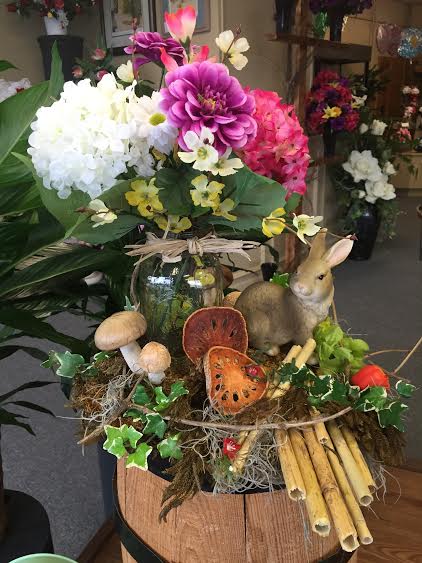
4. Green Klub Licensed Cannabis Dispensary
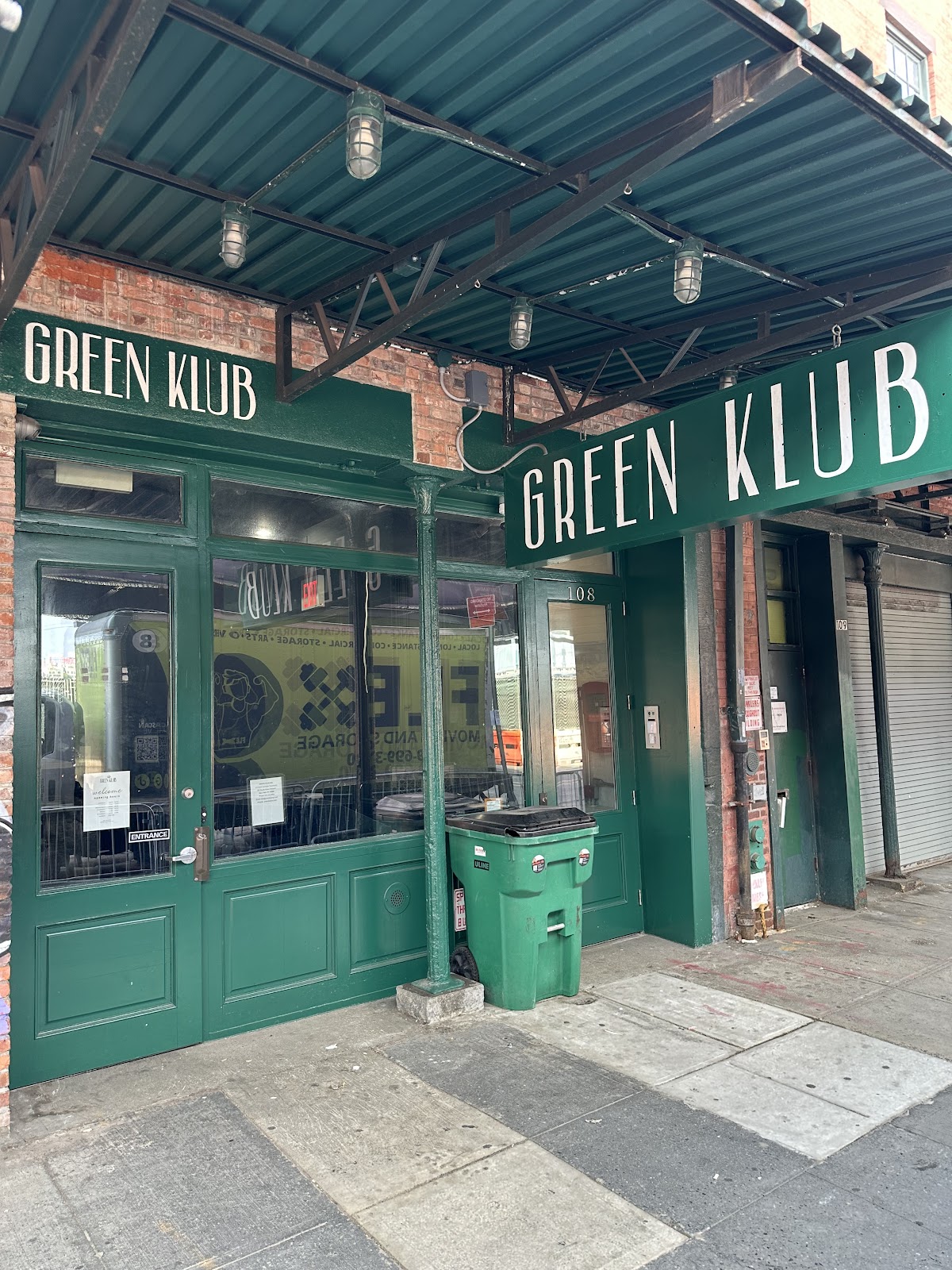
5. Frida's
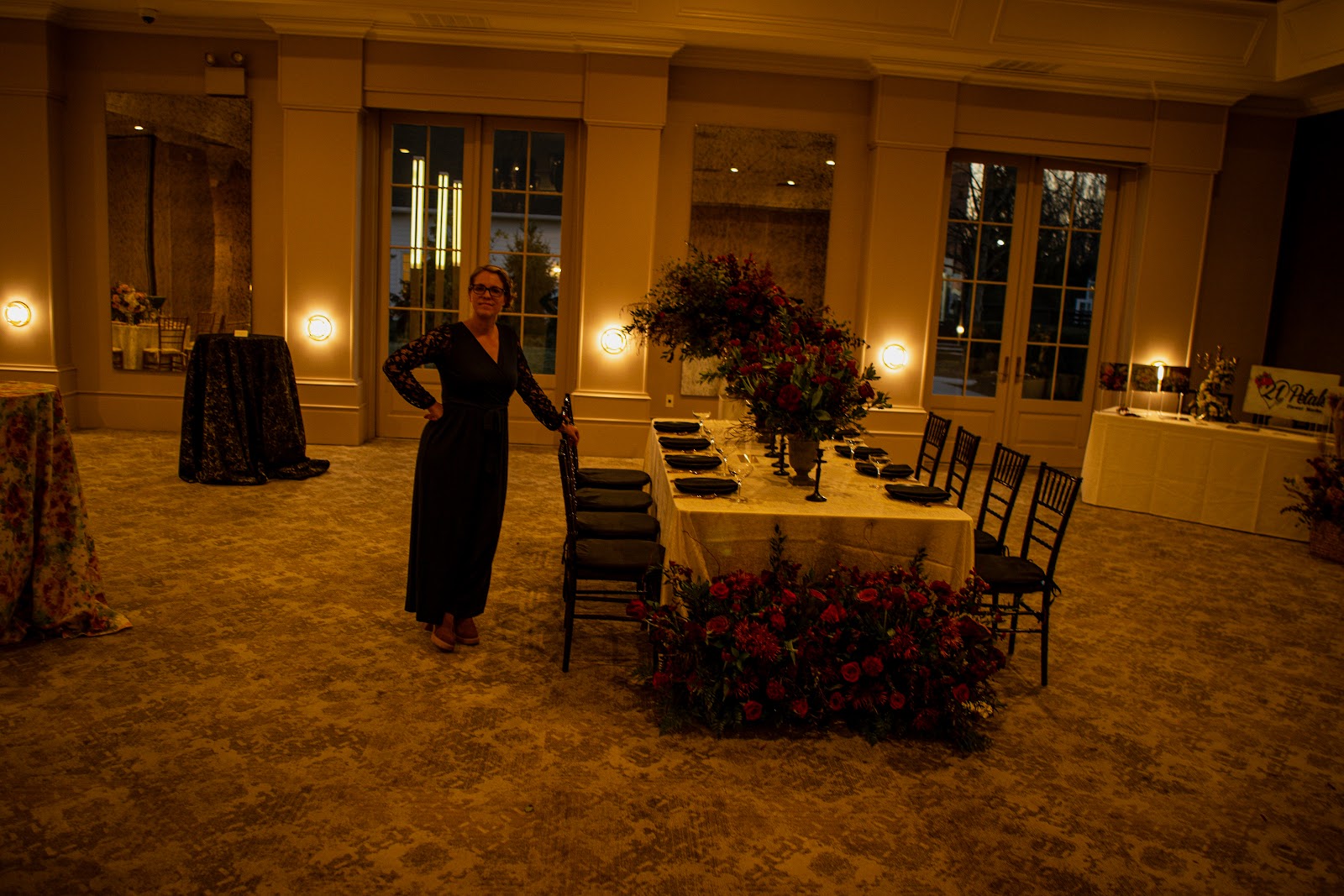
6. 21 Petals Florist and Flower Market
Frequently Asked Questions
Answers to the most common questions about buying, building, and using greenhouses.
How do I find a greenhouse or nursery near me?
Use the search bar on GreenhouseFinder and enter your city or zip code. Our database of 3,435 listings across 380 cities will return nearby results sorted by distance. Filter by category — Plant Nursery, Garden Center, Greenhouse, or others — to narrow results to businesses that match your specific need. Reading recent reviews gives you the most accurate picture of current quality and inventory.
What's the difference between a garden center, plant nursery, and greenhouse?
A plant nursery propagates and grows plants on-site, typically specializing in a particular category like perennials, trees, or natives. A garden center is primarily a retail operation that may source plants from multiple wholesale growers rather than growing its own. A greenhouse is a growing structure — many nurseries and garden centers operate greenhouses, but the term on a listing usually indicates a business with significant on-site growing capacity and year-round operations.
What hardiness zone am I in, and why does it matter when visiting a nursery?
Your USDA hardiness zone is determined by the average annual minimum winter temperature in your area. It matters at a nursery because plants sold as 'perennial' are only perennial within their rated zone range. A plant labeled hardy to zone 7 will die in a zone 5 winter. The top 10 states in our directory span zones 3a through 11b — always confirm that plants you're purchasing are rated for your specific zone, not just the general region.
How much does a home greenhouse cost?
Entry-level kit greenhouses start around $300 to $1,500 for small polycarbonate structures. Quality mid-range residential greenhouses run $1,500 to $8,000, while premium glass structures with professional installation typically cost $8,000 to $25,000 or more. Factor in foundation costs ($500 to $5,000), heating system installation, and any electrical or plumbing work needed.
What's the best greenhouse for a cold climate?
For cold climates (zones 3 through 5), look for a greenhouse with twin-wall polycarbonate glazing at 16mm thickness or thicker, which provides R-2.5 or better insulation. A gothic arch or gable profile sheds snow effectively. Galvanized steel or heavy-gauge aluminum frames handle wind loads better than wood in freezing conditions. Budget for a dedicated heating system — passive solar heat alone won't sustain plants through a real northern winter.
Do I need a building permit for a backyard greenhouse?
Permit requirements vary significantly by municipality. Many jurisdictions exempt structures under a certain square footage threshold (often 120 to 200 square feet) from permit requirements, but any permanent foundation typically triggers a permit. HOA rules may impose additional restrictions on placement, height, or appearance. Always check with your local building department before starting construction — retroactively pulling a permit is more expensive and stressful than getting one upfront.
Can I use a greenhouse year-round in a cold state?
Yes, with the right setup. A properly insulated greenhouse with adequate heating can maintain growing temperatures through winter even in zone 4 and 5 climates. The key factors are glazing insulation value, air sealing, and heating capacity. Twin-wall polycarbonate or double-pane glass are the practical minimums for cold-climate year-round use. Many northern growers successfully produce cold-hardy vegetables like kale, spinach, and lettuce throughout winter in unheated high tunnels — but tropicals and warm-season crops require active heating.
What should I look for when visiting a greenhouse or nursery?
Inspect plant health first: leaves should be turgid and appropriately colored for the species, not wilted, spotted, or yellowing. Check for pest presence — aphids, spider mites, and whiteflies on display plants suggest broader inventory management issues. Ask staff about the plant's origin and growing conditions; knowledgeable employees who can discuss hardiness zones and care requirements are a strong indicator of a quality operation. Well-maintained greenhouses with clean benches, organized inventory, and proper labeling tend to produce healthier plants.
How do I choose between glass and polycarbonate for a greenhouse?
Glass offers superior long-term clarity and aesthetics but costs significantly more and requires a heavier frame. Twin-wall polycarbonate provides better insulation at lower cost but gradually yellows over 10 to 15 years, reducing light transmission. For a permanent residential greenhouse where appearance matters, glass is the better long-term investment. For maximum growing performance in cold climates on a moderate budget, polycarbonate's insulation advantage makes it the practical choice.
What are the most popular greenhouse categories in your directory?
Our 3,435 listings span 8 primary categories. Garden Centers lead with 480 listings, followed by Plant Nurseries at 459, dedicated Greenhouse operations at 338, Landscaping businesses at 204, Gift Shops at 151, Florists at 140, Landscaping Supply dealers at 131, and Wholesale operations at 96. Many businesses operate across multiple categories — a nursery with an attached gift shop, for example — which is why category filtering helps narrow results to the specific type of business you need.
Is it worth driving to a farther nursery for better plants?
Often yes, especially for specialty plants or hardiness-zone-specific stock. A nursery 30 to 50 miles away that specializes in your plant type will typically offer better selection, healthier specimens, and more knowledgeable growing advice than a closer general garden center. Plants grown in conditions similar to your own garden also transplant more successfully than those shipped from distant wholesale growers and held in retail conditions.
When is the best time to visit a greenhouse or nursery?
Spring (March through May) offers the widest selection at most nurseries, especially for annuals, vegetables, and garden-ready perennials. Fall (September through November) is ideal for trees, shrubs, and fall-planted bulbs — and many nurseries discount remaining inventory. Winter visits to heated greenhouses reveal which operations maintain year-round growing capacity. Early weekday mornings tend to get the most attentive staff attention and the best parking.
How do greenhouses and plant nurseries differ from online plant retailers?
Local greenhouses and nurseries offer plants already acclimated to your region's climate, the ability to inspect specimens in person, and access to staff with local growing expertise. Online retailers often offer broader selection and rare varieties not available locally, but plants ship in stressed condition and need careful acclimation. For common garden plants and anything you want to evaluate before purchase, a local greenhouse is typically the better choice. For rare specimens or specific cultivars, online may be necessary.
Own a Greenhouse or Nursery?
Join thousands of growers reaching local customers. List your greenhouse in our directory to get discovered by gardeners searching for "greenhouses near me" in your area.