Best Greenhouses in Texas – Find Local Suppliers & Nurseries Near You
Discover the best greenhouses, custom builders, and nurseries across Texas
Texas is a gardener's dream — and a gardener's challenge, all rolled into one. With over 200 frost-free days in most parts of the state, a sun-drenched climate, and soil that ranges from rich black clay in the east to sandy loam in the west, Texas offers tremendous potential for greenhouse growing. Whether you're a hobby gardener in the Hill Country, a commercial tomato grower in the Rio Grande Valley, or a flower farmer outside of Dallas, the right greenhouse can extend your growing season, protect your plants from unpredictable weather, and dramatically increase your yields.
But let's be honest — growing in Texas also comes with real obstacles. Summers in cities like Houston, San Antonio, and Abilene routinely push past 100°F, creating heat stress that can kill plants in poorly ventilated structures within hours. The Gulf Coast brings high humidity and the risk of mold and fungal disease. North Texas faces sudden cold snaps, ice storms, and hailstorms capable of shredding standard greenhouse panels in minutes. West Texas growers battle relentless wind and low humidity that dries out soil fast. And across the entire state, severe weather — including tornadoes, tropical storms, and flash flooding — means structural integrity isn't optional; it's essential.
This is exactly why choosing the right greenhouse in Texas requires more than a simple Google search. You need to understand which structures hold up to Texas weather, which local suppliers and nurseries understand the unique demands of your region, and what materials and design features will keep your plants alive when the thermometer climbs and the storms roll in.
On this page, you'll find:
- City-by-city greenhouse recommendations for Houston, Dallas/Fort Worth, Austin, San Antonio, and beyond
- In-depth guidance on greenhouse types best suited for Texas climates
- A practical buying guide covering costs, permits, and what to look for when choosing a supplier
- A curated list of top greenhouses and nurseries across the state
- A directory of custom greenhouse builders and installers who work in Texas
- Answers to the most common questions Texas gardeners ask before buying
Whether you're just starting out or you're ready to invest in a large-scale commercial growing operation, this guide will help you find the best greenhouse solution for your specific corner of the Lone Star State.
Popular Cities in Texas for Greenhouse Growing
Texas is enormous — roughly 800 miles wide and 790 miles tall — and the climate varies dramatically from one region to the next. Below are the most greenhouse-active cities in Texas with their top-rated greenhouses.
15 listings
14 listings
13 listings
12 listings
12 listings
12 listings
Houston & the Gulf Coast
Houston is one of the most active greenhouse markets in Texas, driven by a year-round growing season, a massive population of home gardeners and commercial operations, and a culture of tropical and exotic plant collecting. The climate here is hot and humid — USDA Hardiness Zone 9a/9b — which means your biggest greenhouse concerns are ventilation, shade management, and fungal disease prevention rather than cold protection.
The Houston area receives significant rainfall and sits in a high-humidity corridor that can quickly turn a closed greenhouse into a petri dish for mold and root rot. Evaporative coolers are generally less effective here; powered ventilation fans and ridge vents are strongly recommended. For covering materials, twin-wall polycarbonate panels with UV coating are popular because they diffuse intense summer sun while offering some insulation for the mild winters.
What to look for in the Houston area:
- High-flow ventilation systems (minimum two air changes per minute in summer)
- Shade cloth rated at 30–50% for summer use
- Elevated benching to improve air circulation
- Rust-resistant aluminum or galvanized steel framing due to humidity
Top areas for greenhouse shopping near Houston: Katy, Pearland, Tomball, and The Woodlands all have established nursery districts. The Heights neighborhood in Houston proper has a growing number of specialty plant retailers and urban greenhouse suppliers.
Dallas / Fort Worth
The DFW Metroplex offers a different set of challenges. Located in USDA Zone 7b/8a, North Texas experiences hot summers, cold winters, and some of the most violent hailstorms in the nation. The Dallas area sits squarely in "Hail Alley," and lightweight polycarbonate panels can be seriously damaged by large hail. Many experienced DFW greenhouse owners have shifted toward tempered glass panels or impact-resistant twin-wall polycarbonate (minimum 8mm thickness) as primary covers.
Wind is another concern. Strong thunderstorm fronts regularly sweep through the region with 60–80 mph gusts, making proper anchoring and frame engineering critical. On the cold side, DFW can see ice storms and brief temperature drops into the teens, so insulation and heating capacity matter more here than in Houston.
The good news: the DFW area has a thriving commercial greenhouse industry, with several large wholesale and retail nurseries in the suburbs. Fort Worth has particularly strong access to hobby greenhouse suppliers, and the broader Metroplex has multiple greenhouse builders who specialize in residential installs.
Top areas for greenhouse shopping near DFW: Grapevine, Denton, McKinney, Arlington, and Weatherford all have well-regarded nurseries and suppliers.
Austin & the Hill Country
Austin sits in USDA Zone 8b and combines elements of both the humid east and the drier west. Summers are brutally hot and dry — less humid than Houston, but arguably harder on plants due to the intensity of the sun and heat. The Hill Country's rocky limestone terrain also means that anchoring a greenhouse may require professional installation or concrete footings.
Austin's thriving foodie and urban farming culture has created strong demand for small and mid-sized hobby greenhouses, as well as hoop houses for market gardeners working the surrounding Hill Country region. The city's progressive community also means there's a healthy market for sustainable greenhouse materials — reclaimed wood frames, recycled polycarbonate, and solar-powered ventilation systems are all popular here.
One important note for Austin-area buyers: wildfire smoke and extreme heat events are becoming increasingly common, and greenhouse orientation (keeping west-facing walls shaded) is more important here than in other regions.
Top areas for greenhouse shopping near Austin: Round Rock, Cedar Park, Dripping Springs, and Bastrop have greenhouse and nursery options. South Austin's garden culture supports several specialty suppliers.
San Antonio
San Antonio is located in USDA Zone 8b/9a and shares many of Austin's challenges — intense summer heat, periodic drought, and relatively mild winters. However, San Antonio's position closer to South Texas means it sees slightly longer warm seasons and benefits from access to both Gulf moisture and drier western air masses.
San Antonio has a strong tradition of backyard vegetable and herb growing, and greenhouse use here tends to skew toward practical food production rather than ornamental horticulture (though there's plenty of that too). The city also has one of the largest Hispanic gardening communities in the state, with significant demand for specialty produce — including chiles, herbs, and tropicals — that thrive in greenhouse environments.
The primary greenhouse concern in San Antonio is summer cooling: shade cloth, automated venting, and even small evaporative coolers (the city is drier than Houston) can make a significant difference in keeping plants viable through July and August.
Top areas for greenhouse shopping near San Antonio: Boerne, New Braunfels, Seguin, and the northern suburbs near Stone Oak have nursery and greenhouse supplier options.
Other Notable Texas Cities
El Paso (Zone 8a)
Low humidity and high UV intensity make this one of the most solar-productive greenhouse environments in the country. Wind is the primary structural concern; evaporative cooling works exceptionally well here.
Lubbock & Amarillo (Zone 7a/7b)
The Texas Panhandle brings cold winters, late frosts, and strong winds. Greenhouses here need serious heating capacity and wind-rated frames.
Corpus Christi (Zone 9b)
Near-tropical conditions and Gulf Coast humidity. Hurricane resilience is non-negotiable for any permanent greenhouse structure here.
Tyler & East Texas (Zone 8a)
Rich soil and higher rainfall make this a top gardening region. Traditional gable greenhouses with good drainage are well-suited to the area.
Types of Greenhouses Recommended for Texas
Not every greenhouse design works in every climate — and Texas's extreme variability makes choosing the right style and material even more important than in milder states. Here's what experienced Texas growers recommend.
Best Structure Types for Texas
Gable-Style Greenhouses
The classic A-frame or gable greenhouse is one of the most popular choices across Texas. Its steep roof allows excellent rainwater runoff (important during Gulf Coast storms), it handles wind reasonably well when properly anchored, and it offers maximum interior height for tall crops and hanging baskets. Gable greenhouses are available as DIY kits or as custom builds and work well in most Texas climates.
Hoop Houses & High Tunnels
Hoop houses are the workhorses of commercial and market gardening in Texas. They're relatively affordable, quick to install, and can be equipped with roll-up sides — a critical feature for Texas summers. Rolling up the sides of a hoop house allows maximum airflow and essentially transforms the structure into a shade canopy during the hottest months. High tunnels (a taller, more permanent version) are widely used by vegetable farmers across Central and East Texas.
Lean-To Greenhouses
Lean-to greenhouses — attached to the side of a home or outbuilding — are a cost-effective option for hobby growers with limited space. In Texas, the wall the lean-to attaches to provides some insulation benefit in winter. However, orientation matters enormously: a south-facing lean-to will overheat in summer; north or east-facing lean-tos tend to work better in most Texas regions.
Gothic Arch Greenhouses
Gothic arch designs (a pointed arch rather than a rounded hoop) shed wind and rain more effectively than standard round hoop houses and have become increasingly popular in tornado-prone North Texas. Their shape also handles snow load better — relevant for Panhandle growers.
Best Covering Materials for Texas
Twin-Wall Polycarbonate (8mm or 10mm)
The most commonly recommended covering material for Texas, twin-wall polycarbonate panels offer excellent light diffusion, UV protection, and insulation. The hollow channels provide a thermal break that helps moderate interior temperatures. For hail-prone areas (DFW, much of North Texas), 10mm or thicker panels are strongly recommended. Always verify that panels carry a UV-protective coating; Texas's intense UV levels will degrade uncoated polycarbonate within two to three seasons.
Shade Cloth
Shade cloth is not a primary covering but is an essential accessory for any Texas greenhouse. Most Texas growers add 30–50% shade cloth in summer — either over the exterior of the greenhouse or inside on the south and west walls. For specialty shade crops (orchids, ferns, some vegetables), 60–70% shade cloth may be appropriate during peak summer heat.
Tempered Glass
Glass offers the best light transmission and a premium appearance. In the DFW area and North Texas, tempered glass is preferred by many growers who need hail resistance that standard polycarbonate can't provide. Glass is heavier and requires a sturdier frame, but it's highly durable and doesn't yellow over time like untreated polycarbonate. The primary downside in Texas: glass greenhouses heat up faster and require more robust cooling and ventilation systems.
Woven Poly Film (for hoop houses)
For budget-conscious hoop house growers, woven poly film or greenhouse-grade poly sheeting (6 mil, UV-stabilized) is a cost-effective option. In Texas, expect to replace this covering every three to four years due to UV degradation. Choose film rated for at least four seasons of UV exposure.
Hobby vs. Commercial Greenhouses in Texas
Hobby Greenhouses (under 500 sq ft)
Perfect for home gardeners extending their season, overwintering tropicals, or starting seedlings. In Texas, look for kits with pre-installed vent panels and ridge ventilation. Budget: $500–$8,000 depending on size and materials.
Commercial Greenhouses (500+ sq ft)
Texas has a growing commercial greenhouse sector, particularly in vegetable production, cut flowers, and cannabis cultivation. Commercial operations typically require engineered structures, proper permitting, and professional installation. Budget: $10–$30+ per square foot installed.
Buying Guide: How to Choose a Greenhouse in Texas
Cost Ranges in Texas
Greenhouse pricing in Texas varies widely depending on size, materials, and whether you're buying a kit or a custom build:
| Type | Size Range | Estimated Cost |
|---|---|---|
| Basic hoop house kit | 10'×10' to 14'×24' | $200–$1,500 |
| Mid-range polycarbonate kit | 8'×12' to 16'×24' | $1,500–$6,000 |
| Premium hobby greenhouse | 12'×20' to 20'×40' | $6,000–$20,000 |
| Custom residential build | Varies | $15,000–$60,000+ |
| Commercial high tunnel | Per acre | $30,000–$100,000+ |
Note: Installation, foundation work, electrical, and HVAC can add 30–60% to base material costs in Texas.
Permits & Regulations in Texas
Texas does not have a statewide building code for residential structures, but most cities and counties have their own requirements. Here's what to check before you build:
City building permits: Required in most incorporated cities for any permanent structure over a certain square footage (commonly 120–200 sq ft). Contact your local building department.
HOA rules: Many Texas subdivisions have strict HOA covenants that restrict outbuildings, greenhouses, or structures visible from the street. Review your deed restrictions carefully.
Agricultural exemptions: If your property qualifies for agricultural use (common on acreage in rural Texas), you may be exempt from some permitting requirements. Confirm with your county appraisal district.
Floodplain considerations: Particularly relevant near Houston, coastal areas, and river corridors. Structures in the 100-year floodplain face additional restrictions.
Best Time to Buy and Install in Texas
Fall (September–November): The ideal time to install a greenhouse in most Texas regions. Temperatures are dropping, weather is calmer, and you'll have the structure ready before winter for overwintering plants.
Late Winter (February–March): A good secondary window, allowing setup before spring planting season. Avoid the freeze risk of December–January in North Texas.
Avoid summer installation: Working in Texas summer heat is brutal for crews, and scheduling contractors is harder during peak season. Material costs may also be higher.
Local Suppliers vs. Online Retailers
Local Texas suppliers offer the advantage of expertise in regional climate conditions, the ability to see structures in person, and often better post-sale support. Many local suppliers also offer delivery and installation, which can be worth the added cost given the complexity of greenhouse setup.
Online retailers (Gothic Arch Greenhouses, Juliana, Palram, etc.) typically offer a wider product range and competitive pricing. However, you'll need to factor in freight costs (which can be substantial for large greenhouse kits) and handle installation yourself or hire a local contractor.
Recommendation: For hobby greenhouses under 200 sq ft, online purchase is often the most cost-effective route. For larger structures or commercial applications, working with a Texas-based supplier or builder is strongly advised.
Greenhouse Builders & Installers in Texas
If you're looking for a custom-built greenhouse rather than a kit, Texas has a growing number of professional builders who specialize in residential and commercial greenhouse construction.
What to Look for in a Texas Greenhouse Builder
Experience with Texas weather conditions: Ask specifically about their experience designing for heat, wind, and hail. Request references from existing clients in your region.
Engineering and permitting support: Reputable builders will help you navigate local permitting requirements and, for larger structures, may provide engineered drawings.
Foundation options: In Texas, foundation choices matter. Gravel pads with concrete footings are common, but rocky Hill Country soil or expansive clay (common in DFW and Houston suburbs) may require specialized approaches.
Ventilation design expertise: Any builder working in Texas should prioritize airflow as a core design element, not an afterthought.
Types of Custom Greenhouses Available in Texas
- Attached lean-to greenhouses for residential use (popular in suburban Texas)
- Freestanding gable and Gothic arch designs for hobby and small commercial growers
- High tunnels and hoop house arrays for market farmers
- Climate-controlled commercial greenhouses with automated heating, cooling, and irrigation
- Shade structure and shadehouse combinations (particularly popular in South Texas)
Finding a Reputable Builder
Contact your local Texas A&M AgriLife Extension office — they maintain lists of vetted agricultural suppliers and can often recommend greenhouse builders active in your county.
The Texas Nursery & Landscape Association (TNLA) maintains a member directory that includes some greenhouse builders and suppliers.
Request multiple quotes and ask to visit completed projects before committing to any builder.
Top Rated Greenhouses in Texas
These are the highest-rated greenhouses in Texas based on verified customer reviews. Each listing includes real photos, service offerings, and direct links to detailed profiles.
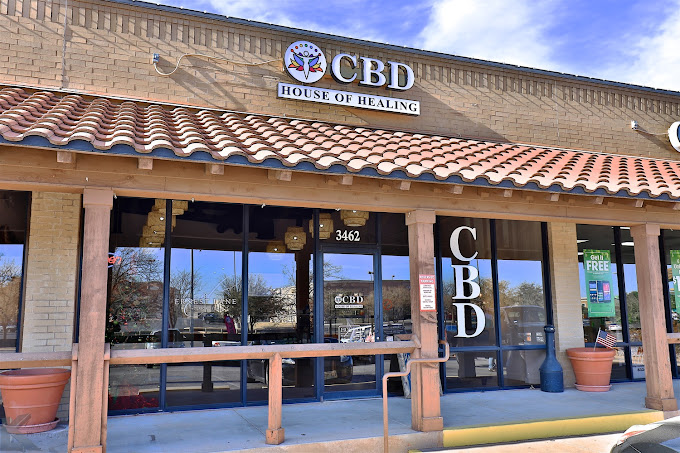
1. CBD House of Healing
2. The Cannabis Shop

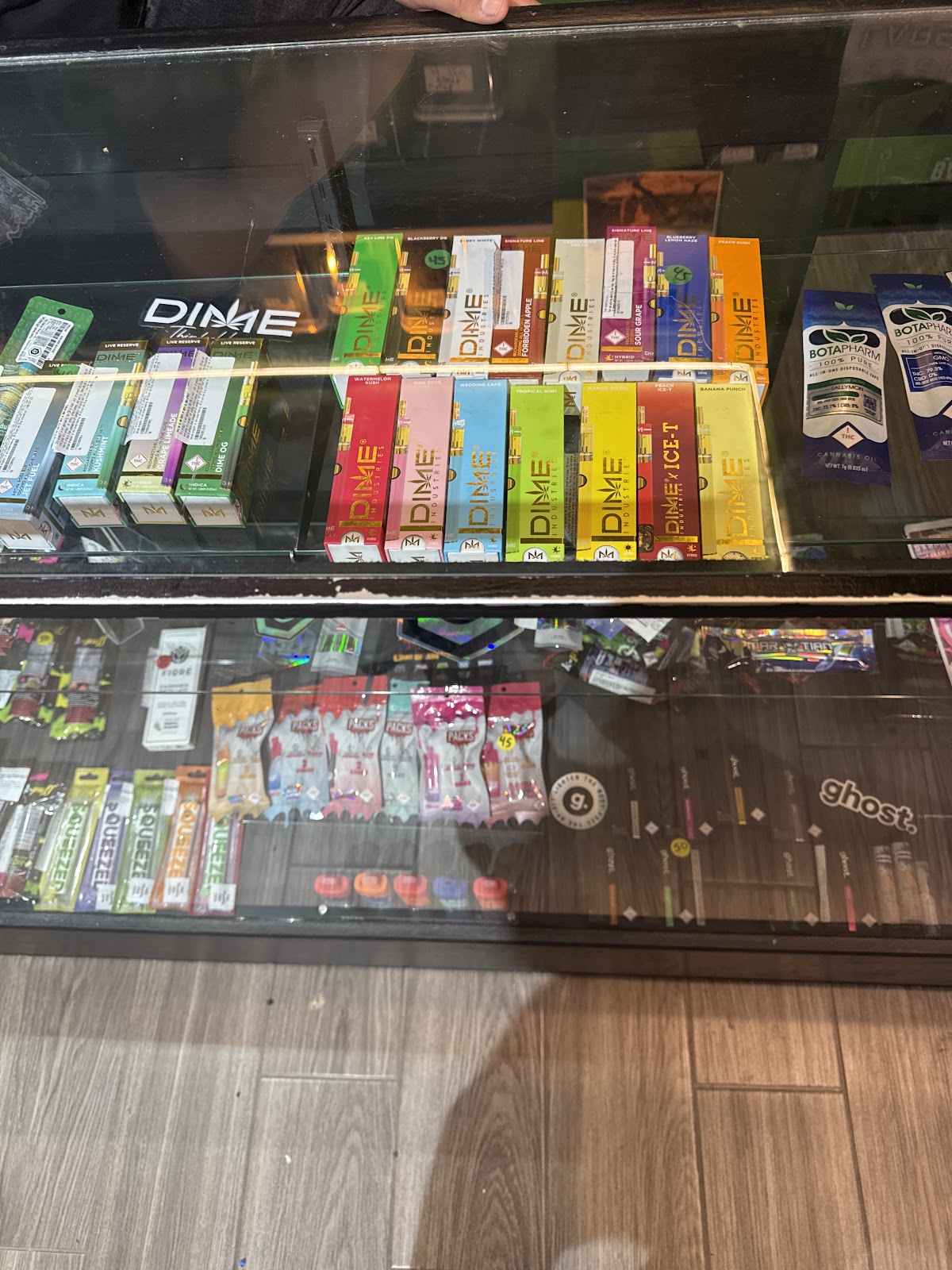
3. Green Labs
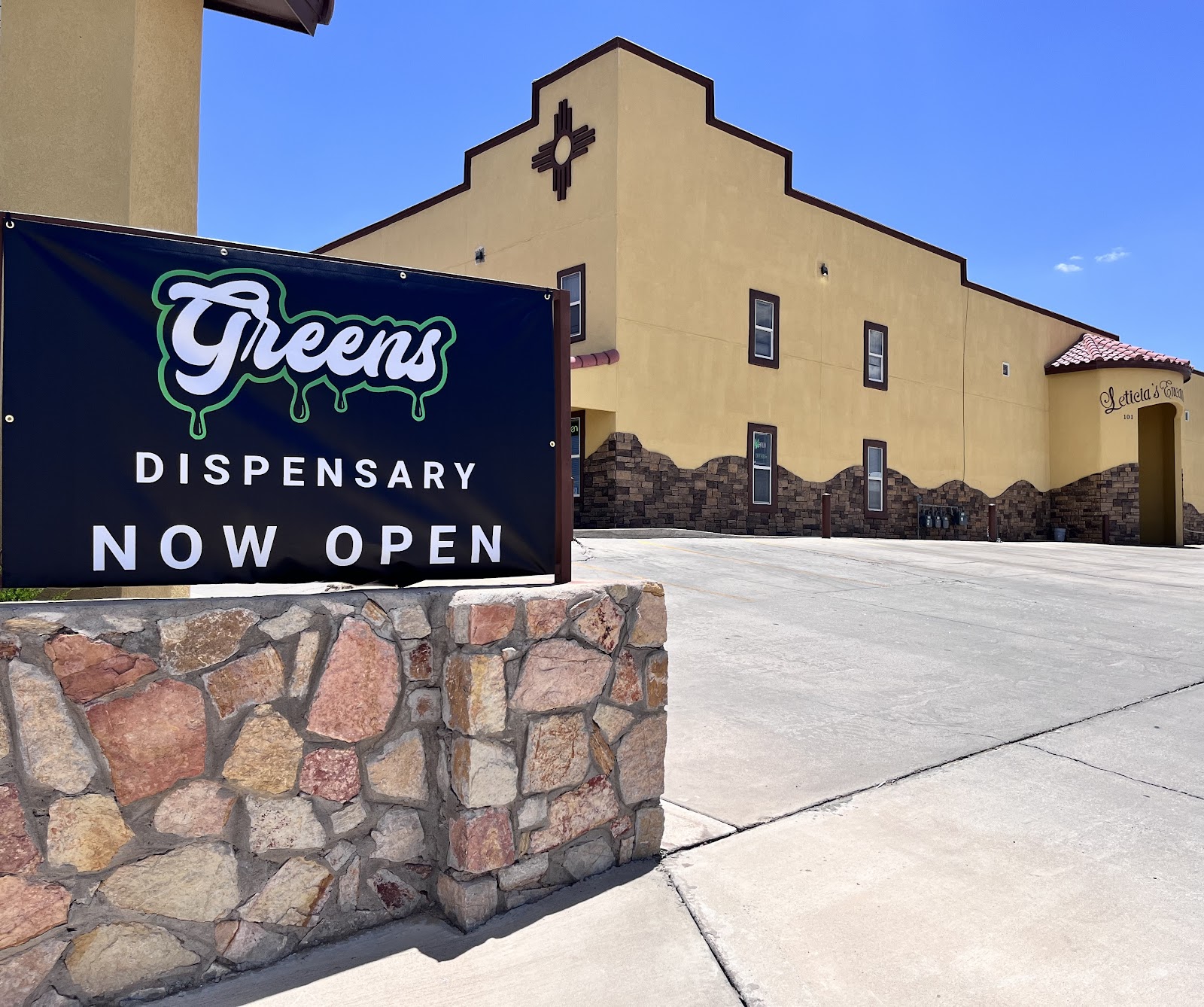
4. Greens-Dispensary Sunland Park
5. Dragon's Garden Bonsai LLC