Best Greenhouses in Florida
Your complete resource for greenhouse buying, building, and growing in the Sunshine State.
Florida is a grower's dream — and a grower's challenge, all at once. With 230+ sunny days per year, mild winters in the south, and year-round warmth across the entire peninsula, the Sunshine State offers conditions that allow gardeners and commercial growers alike to cultivate tropical plants, vegetables, herbs, and flowers during months when every other state has gone dormant.
The Florida Growing Advantage
Florida's subtropical and tropical climate — particularly in Miami-Dade, Broward, and Palm Beach counties — means that many exotic and tropical species can be grown year-round with minimal supplemental heating. The state's abundant rainfall, averaging 50–60 inches per year, reduces irrigation costs, and the naturally high humidity supports moisture-loving tropical plants that struggle in drier climates.
The Florida Growing Challenges
- • High Humidity: Florida's average relative humidity routinely exceeds 80–90%. Without proper ventilation, humidity inside a greenhouse can promote fungal disease, root rot, and mold.
- • Hurricane Risk: Florida is the most hurricane-prone state in the continental U.S. Any serious greenhouse investment needs to be rated for high winds — ideally 130+ mph.
- • Intense Sun and UV Exposure: Standard greenhouse glazing can degrade rapidly without UV-stabilized coatings.
- • Pest Pressure: Whiteflies, aphids, thrips, and spider mites thrive year-round in Florida's warm climate.
- • Flooding and Drainage: Florida's flat topography and sandy soils mean flooding and poor drainage are serious concerns.
Best Cities for Greenhouses in Florida
Florida is geographically diverse, and where you live significantly impacts which type of greenhouse makes the most sense. Below are the most greenhouse-active cities with their top-rated greenhouses.
15 listings
13 listings
12 listings
12 listings
12 listings
12 listings
Miami / South Florida
Climate Zone: 10b–11 | Primary Challenges: Hurricanes, extreme humidity, intense heat, year-round pest pressure
Miami and South Florida sit in USDA Hardiness Zones 10b and 11 — the warmest in the continental United States. Frost is essentially nonexistent, making this one of the few places where truly tropical species can be grown outdoors year-round.
Hurricane Requirements
Miami-Dade County has some of the most stringent building codes in the nation. Any permanent greenhouse must be engineered to withstand wind loads of 150+ mph in many locations.
Popular Uses
Orchid cultivation, tropical fruit propagation, herb production, and exotic plant nurseries. The region is home to several large commercial nurseries and wholesale greenhouse suppliers.
Orlando / Central Florida
Climate Zone: 9b–10a | Primary Challenges: Summer heat and humidity, occasional frost, afternoon thunderstorms
Orlando sits in the heart of Central Florida and represents perhaps the most versatile growing region in the state. Zone 9b means light frost is possible in winter, making a greenhouse genuinely useful for season extension.
Growing Season
Central Florida's growing season stretches from September through June, with only peak summer months presenting real heat stress. Heavy summer thunderstorms mean structures need to be well-grounded and anchored.
Common Uses
Winter tomatoes and peppers, year-round herb production, orchid growing, and tropical plant propagation. Strong supply chain of kit retailers, local nurseries, and custom builders.
Tampa / St. Petersburg
Climate Zone: 9b–10a | Primary Challenges: Hurricane exposure (Gulf Coast), humidity, summer heat
Tampa Bay sits on Florida's Gulf Coast, making it particularly vulnerable to hurricane storm surge and high winds. The productive growing season runs October through May.
Local Growing Community
Tampa and St. Petersburg have a vibrant urban farming and home gardening community, with several excellent local nurseries and garden centers carrying greenhouse kits and supplies. Growers commonly use greenhouses for vegetable production, citrus propagation, and tropical plants, relying heavily on shade cloth during summer.
Jacksonville
Climate Zone: 8b–9a | Primary Challenges: Occasional hard freezes, summer humidity, Atlantic storm track
Jacksonville is the northernmost major city in Florida. Zone 8b means hard freezes — temperatures below 20°F — are possible, making a proper heated greenhouse genuinely valuable for protecting tropical plants and extending vegetable production through winter.
Balanced Climate Needs
Greenhouses here need to balance cold weather protection with adequate ventilation for summer humidity. Jacksonville has a growing number of local greenhouse suppliers and a strong DIY community.
Fort Myers / Naples
Climate Zone: 10a–10b | Primary Challenges: Hurricane landfall risk (one of the highest in Florida), intense summer heat, flooding
Southwest Florida is one of the most hurricane-vulnerable regions in the United States. Despite this, Fort Myers and Naples are thriving communities for serious plant enthusiasts. The warm climate combined with slightly lower humidity than the east coast makes this region excellent for orchids, bromeliads, tropical fruit trees, and exotic ornamentals.
Essential Requirements
Any greenhouse investment in Southwest Florida should be treated seriously: hurricane-rated structures, proper anchoring, and flood elevation planning are essential.
Types of Greenhouses Recommended for Florida
In Florida, the difference between the right structure and the wrong one can mean the difference between a thriving growing space and a pile of bent aluminum after a summer storm.
Hurricane-Rated Greenhouses
Best for: Permanent installations across all of Florida, especially Coastal and South Florida
A hurricane-rated greenhouse is engineered to withstand sustained winds of 130 mph or higher (some coastal models rated to 150+ mph), with reinforced framing, impact-resistant glazing, and anchor systems designed to keep the structure grounded.
Key Features:
- • Heavy-gauge galvanized or aluminum framing (6005-T5 or 6063-T6 aluminum alloy)
- • Polycarbonate glazing (8mm or 16mm twin-wall/multiwall) rather than glass
- • Engineered anchor systems — concrete footings or ground screws
- • Sealed and gasketed panels to prevent wind-driven rain infiltration
High-Ventilation & Shade Cloth Greenhouses
Best for: Summer growing throughout Florida, year-round use in Central and South Florida
Ventilation Features
- • Ridge vents or continuous ridge ventilation
- • Roll-up or hinged side walls for cross-ventilation
- • Automatic vent openers (no electricity needed)
- • Exhaust fans with thermostat controls
Shade Cloth
External shade cloth rated at 30–50% light reduction can drop interior temperatures by 10–15°F during peak summer heat. Louvered vents, gable-end openings, and evaporative cooling systems (wet walls) are popular additions.
Glazing Materials Comparison
| Material | Hurricane Resistance | Heat Management | UV Durability | Cost |
|---|---|---|---|---|
| Polycarbonate (twin-wall) | High | Good | Good (with UV coating) | $$ |
| Polycarbonate (multiwall) | High | Excellent | Good | $$$ |
| Tempered Glass | Moderate | Moderate | Excellent | $$$$ |
| Greenhouse Poly Film | Low | Moderate | Fair | $ |
| Acrylic | Moderate | Moderate | Good | $$$ |
Frame Recommendation: Aluminum or hot-dipped galvanized steel. Wood framing is not recommended in Florida due to rot, termite vulnerability, and difficulty achieving required wind load ratings.
Top Greenhouse Suppliers & Builders in Florida
Finding a reputable greenhouse supplier or builder in Florida requires looking beyond big-box garden centers.
Greenhouse Megastore
National Supplier, Ships to Florida
One of the largest online greenhouse retailers. Wide selection of polycarbonate and poly film kits. Experience helping Florida customers select wind-appropriate models.
Florida Greenhouse Builders
Custom Installations Statewide
Custom-engineered greenhouse structures, hurricane-rated designs. Look for builders who provide Florida PE stamp on structural drawings for coastal county permits.
Everglades Farm Equipment
South Florida / Homestead area
Agricultural greenhouse structures, shade houses, nursery equipment. The Homestead/Redland agricultural district is worth a visit for serious greenhouse investments.
Lukas Nursery
Oviedo, FL (near Orlando)
Well-known Central Florida nursery carrying greenhouse accessories, shade cloth, and growing supplies. Knowledgeable staff familiar with local builders.
Palram Americas
National Brand, Available Through FL Retailers
Widely distributed polycarbonate greenhouse kits. Snap & Grow and Hybrid series use UV-protected panels. Commercial-grade models available for high-wind zones.
Gothic Arch Greenhouses
Mobile, AL (serves Southeast extensively)
Serving Southeast growers since 1946. Broad range of aluminum-frame greenhouses customizable for Florida's wind requirements.
Finding Local Builders — Tips
- • Search "greenhouse builder [your county] FL" on Google
- • Check the Florida Nursery, Growers and Landscape Association (FNGLA) directory
- • Ask at local UF/IFAS Extension offices
- • Visit Florida Orchid Society and Florida Native Plant Society meetings
Buying Guide for Florida Greenhouses
Average Costs
| Type | Size Range | Estimated Cost |
|---|---|---|
| Hobby kit (polycarbonate, basic) | 6×8 to 8×12 ft | $500–$2,500 |
| Mid-range kit (quality polycarbonate) | 8×12 to 12×20 ft | $2,500–$8,000 |
| Professional kit installation | 10×16 to 16×24 ft | $8,000–$20,000 |
| Custom-built (residential) | 12×24 to 20×40 ft | $15,000–$60,000+ |
| Commercial greenhouse | 5,000+ sq ft | $25,000–$200,000+ |
Florida-Specific Cost Factors
- • Hurricane engineering and anchoring: $1,000–$5,000 for engineered footings
- • Ventilation systems: Exhaust fans, ridge vents, automatic openers: $500–$3,000
- • Shade cloth: $200–$1,500 depending on size and density
- • Permitting: $150–$600 for residential permits
- • Florida PE stamp (if required): $500–$2,000
What to Look For
Wind Load Rating
Most coastal Florida requires 130–170+ mph design wind speeds. Verify the product matches your county's requirements.
UV-Stabilized Materials
Non-UV-stabilized polycarbonate will yellow and become brittle within 2–3 years in Florida sun.
Ventilation Capacity
Ventilation should exchange interior air volume once per minute during peak summer heat.
Corrosion Resistance
Look for powder-coated or anodized aluminum frames, stainless steel hardware, hot-dipped galvanized steel.
Permit Requirements
Permanent Structures
Any greenhouse with a permanent foundation requires a building permit. Plans may require a Florida PE stamp in many counties. Must meet Florida Building Code wind load requirements.
Temporary Structures
Hoop houses and non-permanent structures are often exempt from permitting, though setback requirements and HOA rules may still apply.
Growing Tips for Florida Greenhouses
Best Plants to Grow Year-Round
Tropicals & Exotics
- • Orchids (Cattleyas, Dendrobiums, Phalaenopsis)
- • Bromeliads
- • Anthuriums, Heliconias, Gingers
- • Vanilla planifolia
Vegetables
- • Tomatoes and Peppers (Oct–May, greenhouse extends)
- • Cucumbers and Squash
- • Basil, cilantro, parsley, chives (year-round)
- • Lettuce, spinach, arugula (Oct–April)
Humidity Management
Most plants prefer 50–70% relative humidity, but Florida's outside humidity frequently exceeds 85–90% in summer.
- • Run exhaust fans during hottest parts (10 AM – 4 PM) for air exchange
- • Water in the morning, not evening
- • Space plants adequately for air circulation
- • Use dehumidifier during rainy season for sensitive collections
- • Install shade cloth to reduce solar heating
Pest Control
Most Common Pests:
- • Whiteflies: Yellow sticky traps and neem oil
- • Aphids: Insecticidal soap; introduce lacewings
- • Thrips: Blue sticky traps plus spinosad treatments
- • Spider Mites: Maintain humidity; use miticide sprays
- • Fungus Gnats: Allow growing medium to dry; use Bti drenches
Pro Tip: Install 50-mesh insect screening on vents and louvers to reduce pest entry.
Seasonal Calendar
Fall (Sep–Nov)
Best time to start cool-season vegetables. Humidity decreases, temperatures moderate, pest pressure drops. Prepare for late-season tropical storms.
Winter (Dec–Feb)
Prime growing season for North and Central Florida. Supplemental lighting for seedlings north of Orlando. Minimum heating may be needed in North Florida.
Spring (Mar–May)
Excellent conditions. Transition from cool-season to warm-season crops. Install shade cloth before May heat intensifies.
Summer (Jun–Aug)
Most challenging season. Focus on heat-tolerant tropicals. Run maximum ventilation. Hurricane season means having a storm preparedness plan.
Top Rated Greenhouses in Florida
These are the highest-rated greenhouses in Florida based on verified customer reviews. Each listing includes real photos, service offerings, and direct links to detailed profiles.
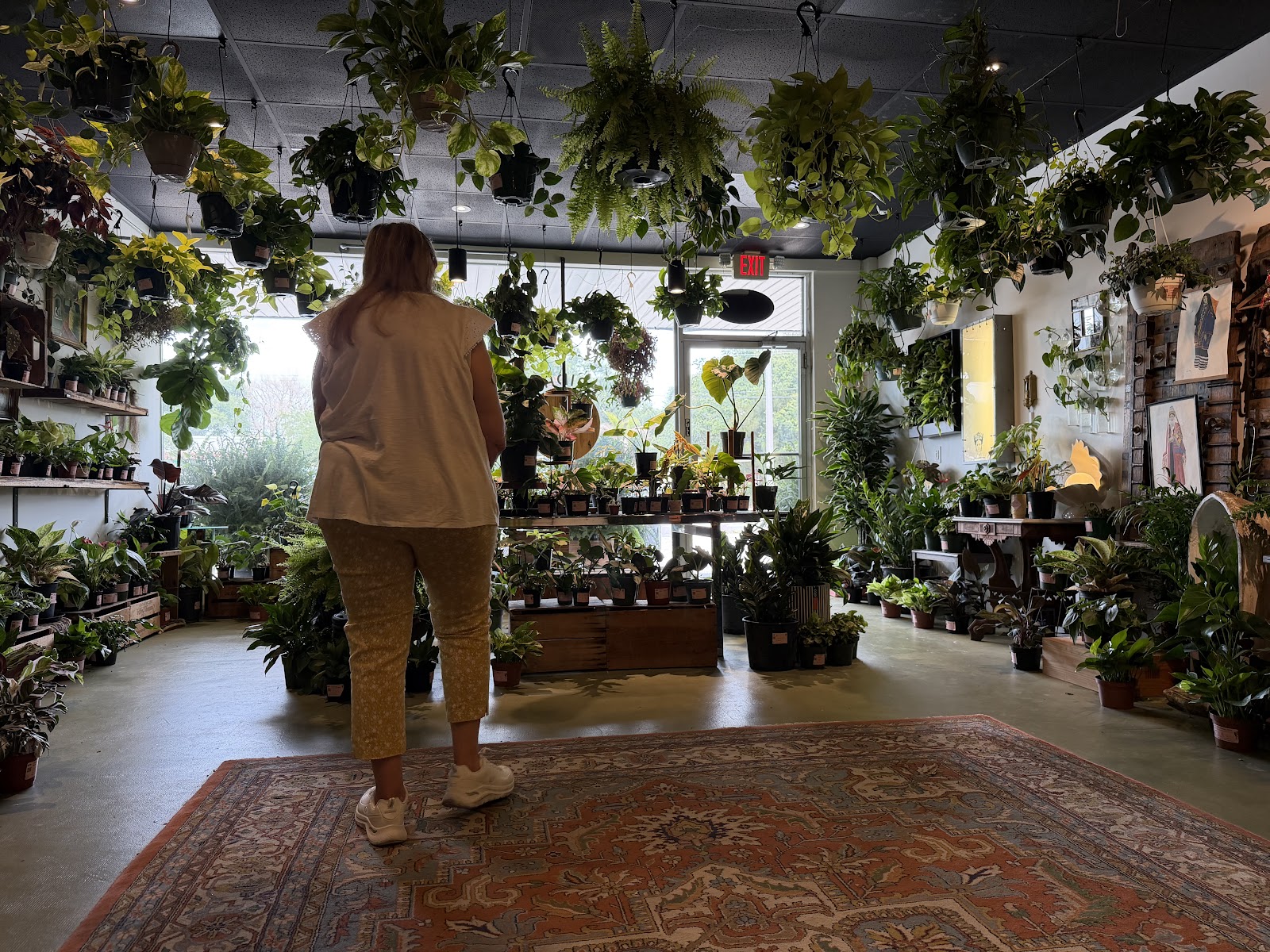
1. Frida's
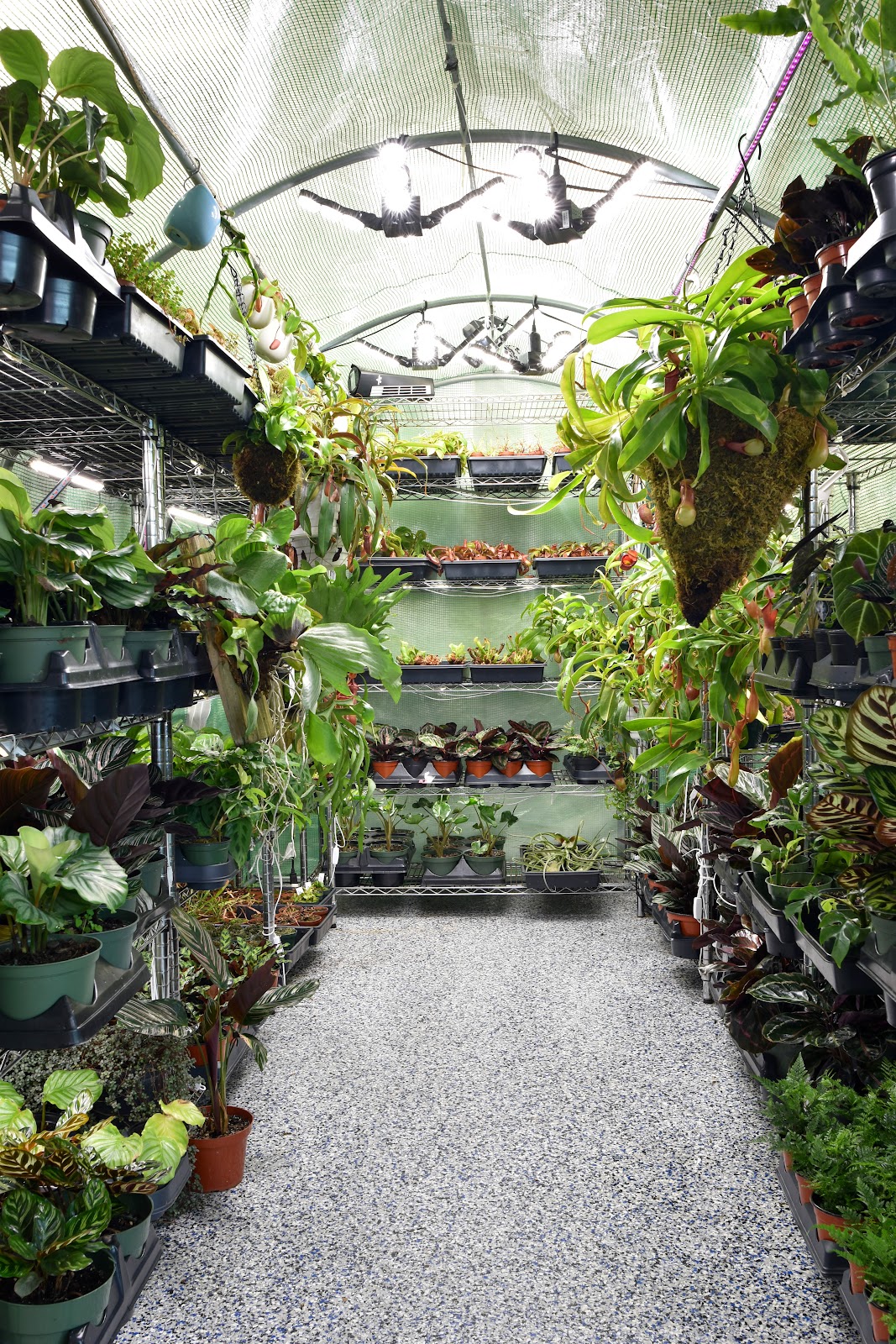
2. Verdant Lyfe, LLC
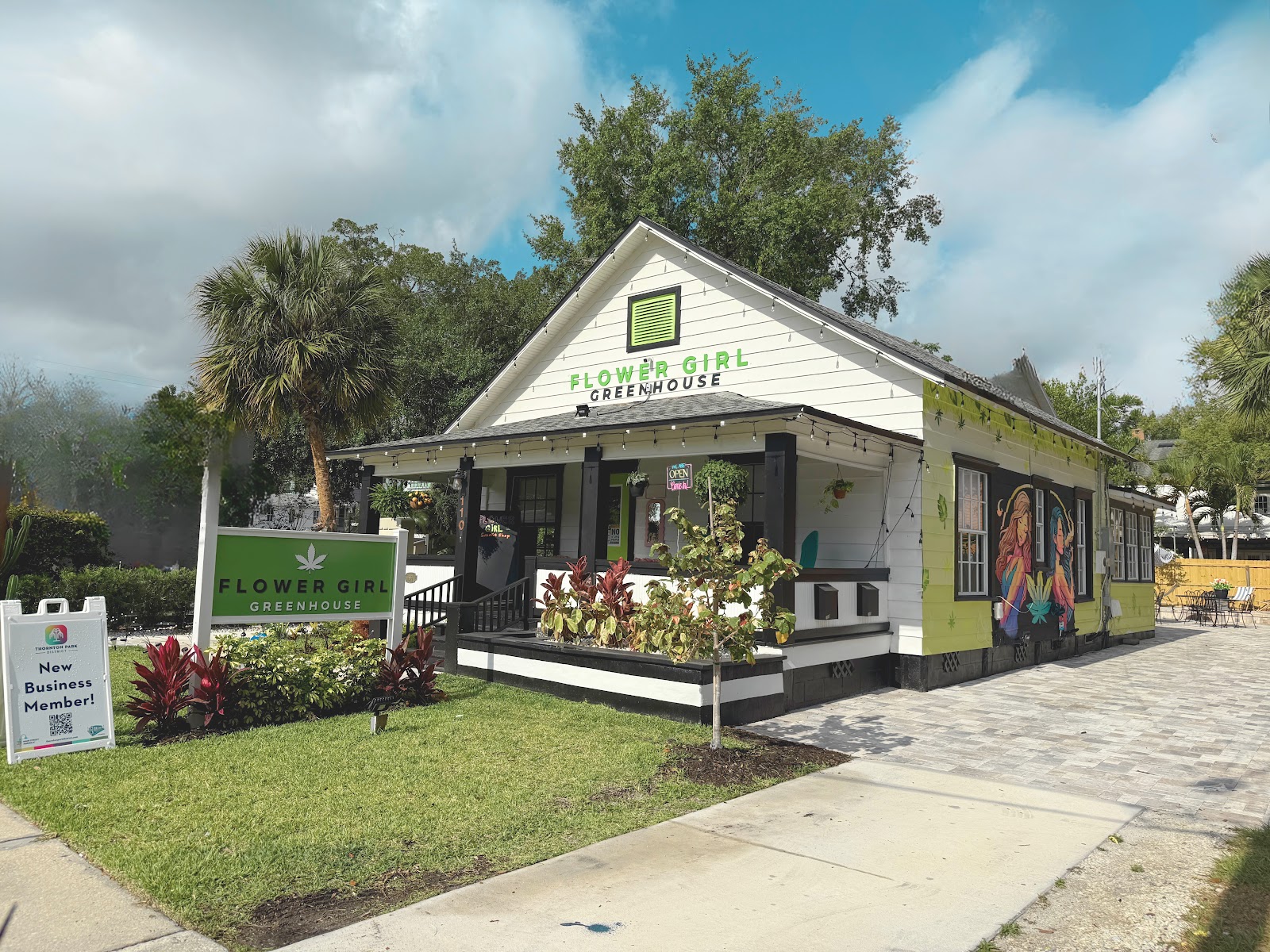
3. Flower Girl Dispensary
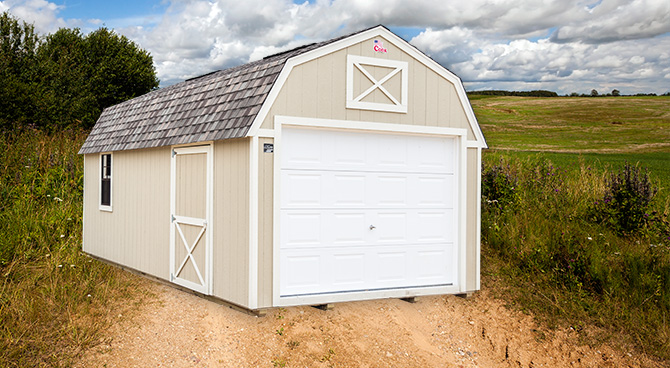
4. Cook Portable Warehouses - Leonard Truck Outfitters
5. GROW HUB
Frequently Asked Questions
Do I need a permit to build a greenhouse in Florida?
In most cases, yes — if the greenhouse is a permanent structure with a foundation. Florida Building Code applies, and coastal counties are particularly strict about wind load compliance. Temporary hoop houses without permanent foundations may be exempt.
What wind speed should a Florida greenhouse be rated for?
Coastal South Florida may require 170+ mph design wind speeds. Central Florida typically requires 130–150 mph. North Florida is generally 110–130 mph. Check the Florida Wind Speed Map at floridabuilding.org.
Can a greenhouse survive a hurricane?
A properly engineered and anchored hurricane-rated greenhouse can survive a Category 1–2 hurricane. Key factors are foundation anchoring, frame rigidity, and glazing integrity. No greenhouse is guaranteed to survive a direct hit from a major hurricane.
What is the best greenhouse material for Florida's humidity?
Aluminum frames with polycarbonate glazing. Aluminum doesn't rust, polycarbonate panels are easy to clean, and stainless steel hardware prevents corrosion. Avoid wood frames and untreated steel.
Is it worth having a greenhouse in South Florida where it never freezes?
Absolutely. The primary benefits are pest exclusion, rain protection for sensitive plants like orchids, humidity and ventilation control, and season extension for cool-season vegetables.
How do I keep my greenhouse cool in Florida's summer heat?
Key tools: ridge ventilation or powered exhaust fans, roll-up sides, external shade cloth (30–50% density), evaporative cooling systems, and strategic timing of plant care during cooler morning hours.
What are the best orchids to grow in a Florida greenhouse?
Cattleya alliance, Dendrobiums, Vanda alliance, and native Florida orchids all do well. Phalaenopsis prefer slightly lower temperatures than Florida summers provide.
Are hoop houses a good option for Florida?
Cost-effective for the October–May growing season, but not hurricane-resistant. Best treated as seasonal structures, especially in coastal areas.
How do I deal with mold and mildew?
Maximize air circulation (fans running during wet season), water in the morning only, clean panels annually with diluted bleach solution, and apply copper-based fungicide preventively.
Can I grow vegetables year-round?
Yes, but selection changes by season. Cool-season crops (lettuce, broccoli) are best October–April. Warm-season crops (tomatoes, peppers) thrive April–November in shaded, ventilated greenhouses.
Do I need to heat my Florida greenhouse in winter?
South Florida (Zones 10–11): almost never. Central Florida (Zone 9b): small heater for cold snaps. North Florida (Zone 8b–9a): reliable heating system important for overwintering tropicals.
How do I find a Florida-experienced greenhouse builder?
Ask at local nurseries, contact FNGLA, or reach out to your county's UF/IFAS Extension office. Ask specifically about Florida Building Code experience, PE-stamped drawings, and local installation examples.